Iran’s Olive Council Calls for Swift Decision on Guaranteed Purchases
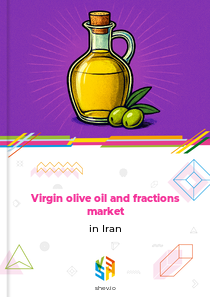
Iran’s National Olive Council is seeking an early decision on guaranteed olive purchases as growers market a high-quality crop. The industry also wants more processing investment and a coordinated effort to develop sales in Iraq and Pakistan.
Industry seeks certainty for the current crop
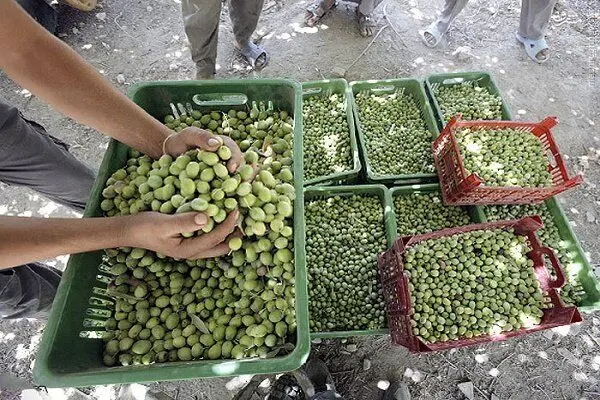
Iran’s olive industry is urging authorities to decide quickly whether guaranteed purchasing will be used for the current crop, arguing that continued uncertainty is creating difficulties for both growers and public officials. Mehdi Abbasi, head of Iran’s National Olive Council, said the country has a very good crop this year and described the quality of the olives as favorable and exceptional, according to the Iranian Labour News Agency, ILNA.
Abbasi did not provide a production estimate, proposed procurement volume or guaranteed price. That leaves growers without the commercial benchmarks needed to assess how much fruit might be bought through a state-backed mechanism and how much must be sold to private processors or other buyers. For officials and market participants, the timing of a decision is particularly important because olives must move through harvesting, collection, processing and marketing channels in an organized manner.
The council chairman referred to the guaranteed-purchase decision taken in the Iranian year 1401 as a positive precedent. He said the chamber of commerce also followed the issue closely at that time. His renewed call places the focus on whether a similar support mechanism will be available this year and how quickly its terms can be communicated to producers and buyers.
Processing and market organization remain priorities
The request extends beyond immediate crop procurement. Abbasi called for the olive market to be organized more effectively and for the product to receive a clearer identity. He argued that olives should not be treated merely as another commodity, linking domestic production to food quality and public health. He also asked government bodies to remove investment barriers and support the expansion of processing industries.
Processing capacity matters because the sector must match harvested fruit with suitable buyers and facilities. Without a clear procurement policy, uncertainty can spread across the chain: growers lack visibility over sales, processors cannot plan intake with confidence, and officials face greater difficulty coordinating the market. ILNA’s report did not specify whether the requested guaranteed purchases would cover all olives or particular grades and uses.
The National Olive Council also wants domestic support to be paired with market development. Abbasi said that when a new buyer or foreign market is identified, the opportunity should be organized and promoted coherently so producers can benefit. This suggests that the council sees guaranteed purchasing as one part of a broader approach that also includes processing, investment and commercial outreach.
Iraq and Pakistan identified as target markets
Abbasi named Iraq and Pakistan as important markets for olives and said Iran should plan for an effective presence in both countries. He added that efforts would be made at the provincial level to send several trade delegations to target countries. The missions are intended to support export development while helping address existing problems in the sector.
No export volumes, shipment values or timetable for the proposed delegations were disclosed. The immediate issue is therefore policy clarity rather than a confirmed trade expansion. A prompt decision on guaranteed purchases would give growers, processors and traders a firmer basis for marketing the current crop, while progress in Iraq and Pakistan could provide additional outlets. Until procurement terms and export plans are defined, however, the sector must manage a strong-quality harvest without knowing the scale of state-backed demand or new foreign sales.