Iran’s Main Hazelnut Region Plans Harvest and Processing Modernization
Gilan, which produces about 85% of Iran’s hazelnuts, is seeking to retain more value through mechanized harvesting, controlled drying and local processing. The proposed roadmap also calls for certified planting material, producer cooperatives and an Eshkorat geographical indication.
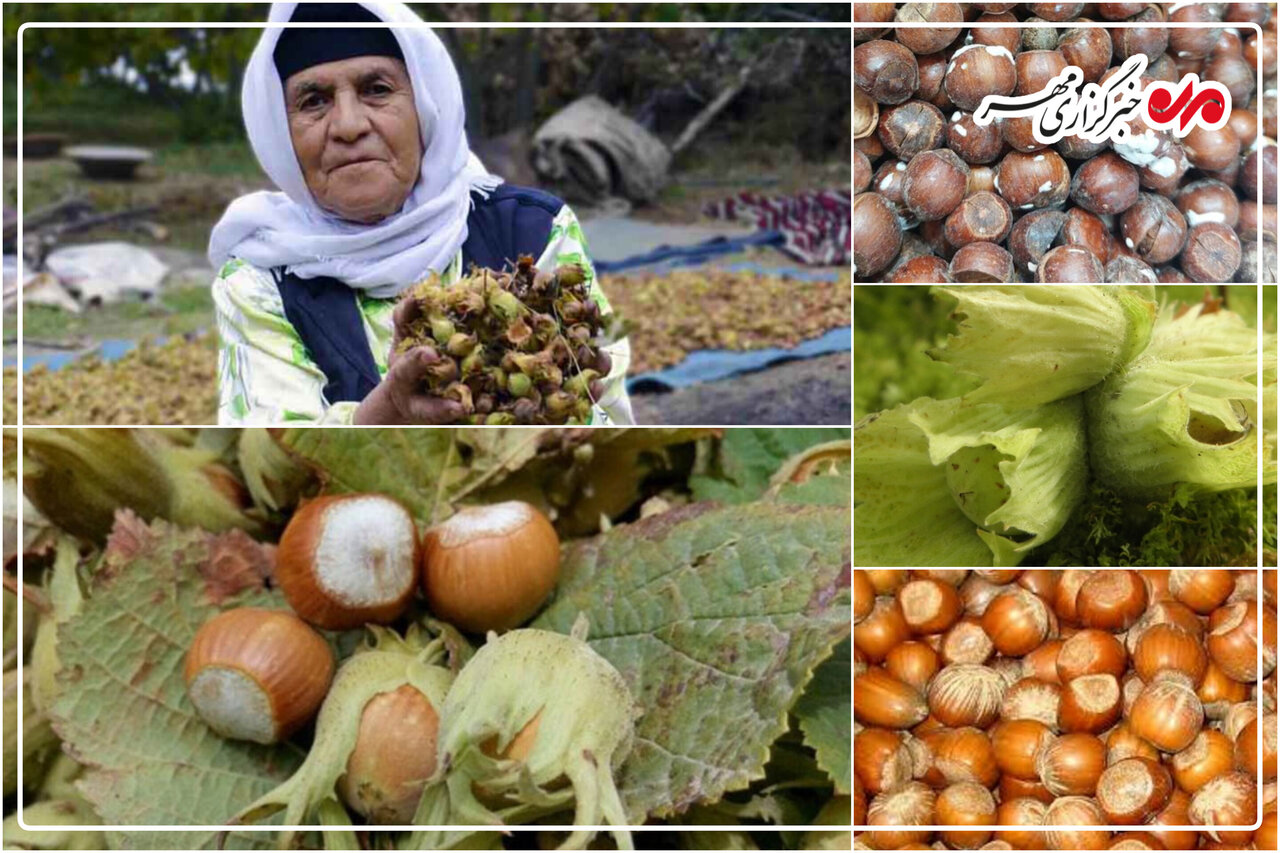
Gilan targets value lost beyond the orchard
Iran’s leading hazelnut-producing region is considering a broad modernization of its orchards, harvesting systems and processing capacity in an effort to retain more agricultural value locally. Gilan accounts for about 85% of Iran’s hazelnut production, according to Mehr News Agency, with the Eshkorat area serving as the country’s main production center.
The region’s current supply chain remains heavily dependent on traditional cultivation, manual harvesting and sales of raw or bulk nuts. Limited access to drying, shelling, sorting, packaging and processing equipment means many growers sell quickly through intermediaries. As a result, a significant share of the final product value is generated outside the producing area rather than accruing to orchard owners and rural communities.
Manual harvesting drives production costs
Mahmoud Houshyar-Fard, a faculty member at the Gilan Agricultural Research Center and a member of the province’s technical hazelnut committee, told Mehr that manual harvesting represents more than 70% of hazelnut production costs. The decline in the rural labor force has added pressure during the harvest period, making mechanization a central part of the proposed modernization.
Post-harvest handling is another constraint. Delays in removing husks and drying the crop can raise moisture levels, increase the risk of mold and reduce kernel quality. These problems directly affect prices and export suitability. The roadmap therefore proposes modern harvesting equipment, ventilated warehouses with humidity controls and a gradual shift from sun drying to industrial or semi-industrial dryers capable of controlling temperature and moisture.
Processing could widen the product range
Local processing plans extend beyond the production of standardized kernels. Proposed facilities could produce hazelnut oil, powder, flour and paste for confectionery and chocolate manufacturers. Shells and other residues could be used in organic fertilizer or related industries, while hazelnut oil also has potential applications in cosmetics and personal-care products.
The production base would also require investment. Experts cited by Mehr recommend creating a certified mother orchard to supply healthy, true-to-type propagation material under official supervision. Other priorities include replacing older, low-yield varieties with commercial cultivars suited to late spring frost and summer drought, rejuvenating aging orchards, improving pollination and pruning, and strengthening irrigation, nutrition and integrated pest and disease management.
Cooperatives and branding could strengthen growers
Thousands of small producers currently market their crops separately, limiting their bargaining power and access to large processors and buyers. Specialized hazelnut cooperatives could aggregate supplies, operate processing facilities and market finished products, reducing dependence on intermediaries and returning a larger share of the final price to growers.
The roadmap also proposes establishing a distinct Eshkorat Hazelnut brand and pursuing geographical-indication registration. Product differentiation, consistent grading and controlled processing could support access to domestic and foreign markets. The plan’s commercial impact will ultimately depend on whether orchard improvements, harvesting equipment, storage, processing and collective marketing are developed as connected parts of the same supply chain.