Iran Eyes Uzbekistan’s $1.4 Billion Food Import Market After Three Cooperation Deals
Uzbekistan’s food and live-animal imports reached $1.4 billion in the first quarter of 2026, rising 45.9% year on year. Three new cooperation agreements could expand Iran’s role in food, feed, fisheries and agricultural processing, but logistics and established regional suppliers remain major obstacles.
Food imports climb 45.9%
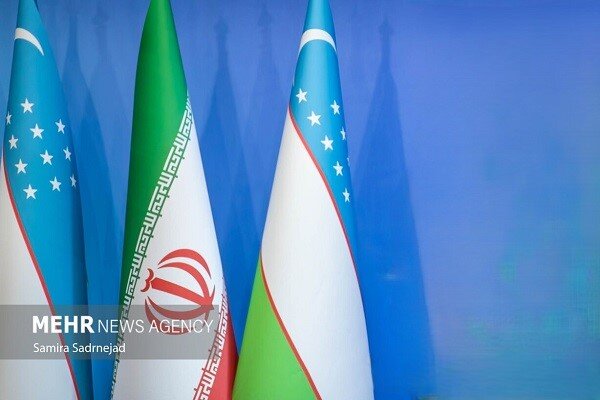
Iranian food producers are seeking a larger position in Uzbekistan after the two countries signed three agricultural cooperation documents. The opportunity is growing quickly: Uzbekistan imported about $1.4 billion of food products and live animals in the first quarter of 2026, up 45.9% from the same period a year earlier, according to Mehr News Agency, citing Uzbekistan’s National Statistics Committee.
Uzbekistan’s total imports exceeded $12.2 billion during the quarter, while total foreign trade approached $18 billion. Imports increased 30.8%, showing that demand for foreign goods expanded faster than overall trade. The country has a population of more than 37 million and also serves as a commercial center for Central Asia.
Other food-related categories recorded similar growth. Imports of animal and vegetable oils and fats reached $158.1 million, an annual increase of 46%, while beverage imports rose 42.6% to $71.3 million. In January alone, Uzbekistan’s foreign trade totaled $5.8 billion, 29.2% higher year on year, including $4.1 billion of imports.
Agreements widen the commercial agenda
Trade between Iran and Uzbekistan rose 37.5% to $305 million in the first half of 2026, according to Uzbekistan’s Ministry of Investment, Industry and Trade. Despite that growth, bilateral commerce remains small relative to Uzbekistan’s overall trade. Officials and business representatives have discussed raising trade between the countries to $2 billion.
The three documents were signed at the first Iran-Uzbekistan Strategic Agricultural Committee in Tashkent. One covers aquaculture feed and fishery products, technology transfer, joint investment, and the production and processing of aquatic products. A second agreement with Uzbekistan’s livestock agency addresses trade in livestock and poultry feed, supplements and production inputs.
That second document also covers Uzbek exports to Iran of grain, bran, cottonseed meal and other agricultural by-products, alongside technical cooperation and investment in production facilities. The third agreement, signed with Uzbekistan’s food industry association, includes protein and dairy products, feed and inputs, equipment supplies, technical knowledge and joint investment.
Tariffs offer openings, logistics limit competitiveness
Uzbek import tariffs on some goods range from zero to 30%. Certain dairy products, eggs, dates, apples and kiwifruit receive zero-tariff treatment, according to Iran’s economic representative in Uzbekistan. This creates openings for Iranian dairy products, dried fruit, dates, confectionery, beverages and processed agricultural foods.
Competition will remain intense. China accounted for 27.9% of Uzbekistan’s trade in January 2026, while Russia, Kazakhstan and Turkey were also among its leading partners. Kazakhstan is an established regional supplier of wheat, flour, vegetable oils and agricultural inputs, benefiting from proximity and shorter transport routes.
For Iranian exporters, delivered cost, packaging, standards, distribution and reliable logistics will determine whether the agreements produce sustained sales. Heavy, low-value goods are particularly exposed to freight costs. Uzbekistan is landlocked, and temperature-sensitive food requires fast, controlled transport. Iran’s road and rail networks and its access to the Persian Gulf and Gulf of Oman could support regional corridors, but exporters will still need dependable financing, local market knowledge and competitive delivery times.