Iran exempts almond exports from agricultural trade restrictions
Iran has exempted almond shipments from restrictions imposed on exports of certain agricultural goods. The measure covers both in-shell almonds and almond kernels, preserving access to overseas markets for growers and exporters in Chaharmahal and Bakhtiari province.
Almond shipments remain outside restrictions
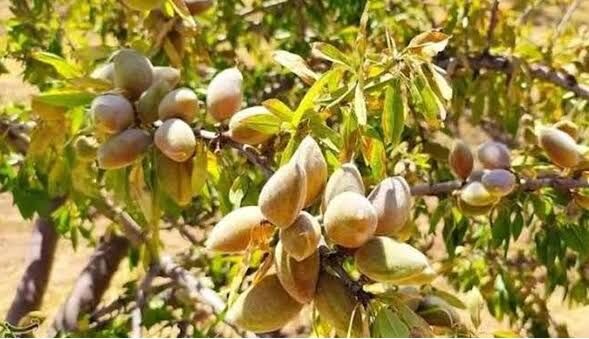
Iran has exempted almond exports from restrictions introduced for certain agricultural goods, allowing shipments from Chaharmahal and Bakhtiari province to continue without serious disruption. Hossein Bahrami, head of the province’s Agricultural Jihad Organization, said the restrictions imposed last year had caused concern among exporters because almonds are one of the province’s most important export products and an economic driver in several of its counties.
According to Moj News, the exemption followed efforts by the governor of Chaharmahal and Bakhtiari and support from the deputy horticulture minister at Iran’s Ministry of Agricultural Jihad. Bahrami said the intervention prevented a significant interruption to almond exports. The available report did not specify the original scope of the restrictions, their duration or the destination markets covered by the province’s almond trade.
In-shell almonds and kernels reach export markets
Both in-shell almonds and processed almond kernels are currently exported to target markets, Bahrami said. Keeping the route open is important for maintaining established commercial relationships and supporting provincial producers and exporters. The distinction also matters for processors: kernel exports extend the trade beyond the raw in-shell product and create an outlet for an item with additional processing and potentially higher value.
The exemption provides regulatory clarity for the almond supply chain, but the report offers no figures for production, shipment volumes, export value or prices. It is therefore not possible to quantify the immediate trade impact. For growers and traders, the main benefit is continuity: avoiding an abrupt restriction reduces the risk of unsold crops, delayed contracts and lost access to foreign buyers.
Province seeks more value from horticulture
Bahrami said horticultural crops occupy a limited share of Chaharmahal and Bakhtiari’s agricultural land but account for a high share of the monetary value of its farm output. He identified horticulture as a central area for future agricultural development, with priorities including higher productivity in existing orchards, targeted expansion of planted area, orchard renewal, suitable varieties and more efficient water use. He also called for greater attention to the full production, processing and export chain.
The Karun basin was identified as an area with substantial capacity for orchard development. However, some locations cannot fully use their available water because of financial constraints and a lack of pumping capacity. Bahrami said support would be required to overcome those barriers and argued that orchard expansion could raise production, employment and agricultural value added in the province.
Plant health is part of the expansion plan
The province is also examining the condition of its almond orchards and the need to produce healthy, virus-free saplings. Bahrami raised the issue following a visit to the provincial agricultural research center before a meeting with the deputy horticulture minister. Planting material, water productivity and orchard modernization will determine whether the province can expand output while protecting quality. The export exemption secures the immediate sales channel, while those production measures will shape the sector’s longer-term ability to supply it.