Iran dairy industry warns against price shocks as consumption falls 10%
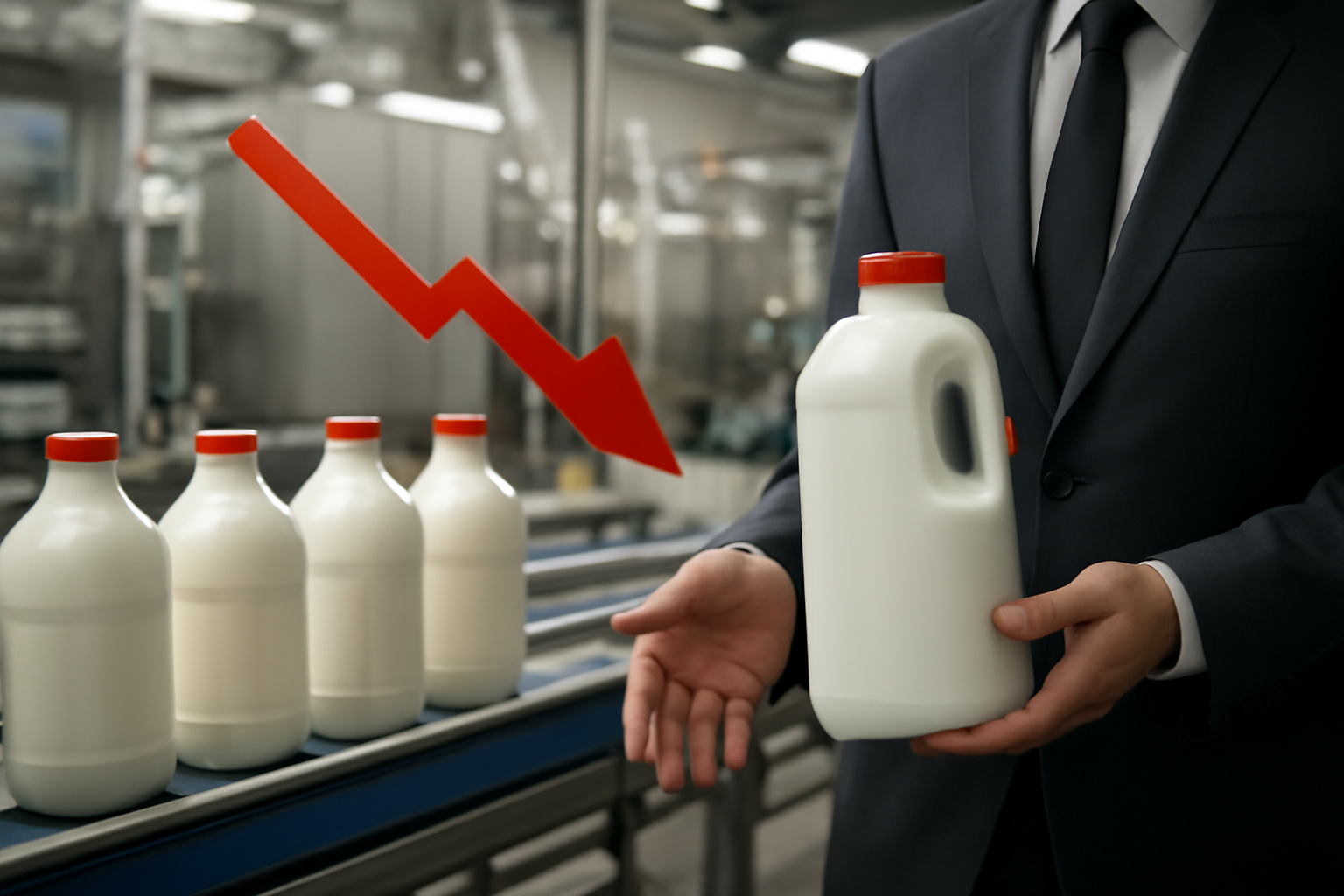
Iran’s dairy industry is facing higher production costs, an approximately 10% decline in domestic consumption and a possible drop in exports. The industry association has warned that another price shock could further weaken demand.
Higher costs meet weaker demand
Iran’s dairy industry has warned against further price shocks as producers contend with rising costs and declining demand. According to ISNA, the spokesperson for the Iranian Dairy Industries Association said domestic dairy consumption has fallen by approximately 10%, while exports may also be decreasing.
The warning comes after a substantial rise in the cost of raw milk, the principal input for most dairy processors. The association’s spokesperson said the raw milk price had risen from 23,000 tomans over the past year. The available report did not specify the latest price, but described the increase in production costs as significant.
For processors, more expensive raw milk raises the cost of producing drinking milk, yogurt, cheese and other dairy goods. Companies must either absorb part of that increase or pass it through to buyers. The association’s position is that an additional abrupt increase in retail prices would be damaging while household demand is already under pressure.
Consumption decline limits pricing options
A roughly 10% contraction in domestic consumption is a material change for an industry that depends on frequent household purchases. It reduces the volume over which processors can spread operating costs and can intensify competition among brands, particularly when consumers are sensitive to further price increases.
The association’s call for demand to recover indicates that the immediate challenge is not limited to farm-level milk costs. Producers and processors also need sufficient sales volumes to keep plants operating efficiently. If retail prices rise faster than consumers can accommodate, demand could weaken further, leaving processors with fewer options to offset their higher input bills.
The pressure can also move back through the supply chain. Dairy plants buying less milk may affect procurement from farmers, while attempts to protect sales through discounts can narrow processing margins. The report did not provide production, inventory or profitability figures, so the scale of those effects cannot yet be quantified.
Exports offer less support
Exports could ordinarily provide an alternative outlet when domestic consumption declines. However, the association spokesperson pointed to a possible fall in overseas shipments, suggesting that foreign demand may not fully compensate for the contraction at home. ISNA’s report did not specify export volumes, destination markets or the period covered by the decline.
The combination of higher raw milk costs, domestic consumption down about 10% and potentially weaker exports leaves Iran’s dairy processors with limited room to manage another price shock. Farmers need prices that cover milk production costs, processors must protect margins and capacity use, and consumers remain sensitive to affordability. The association’s warning therefore centers on the pace and scale of price changes: without a recovery in demand, another sharp increase could deepen the pressure across the dairy chain.