Iran conditionally authorizes poultry meat exports as producers face mounting losses
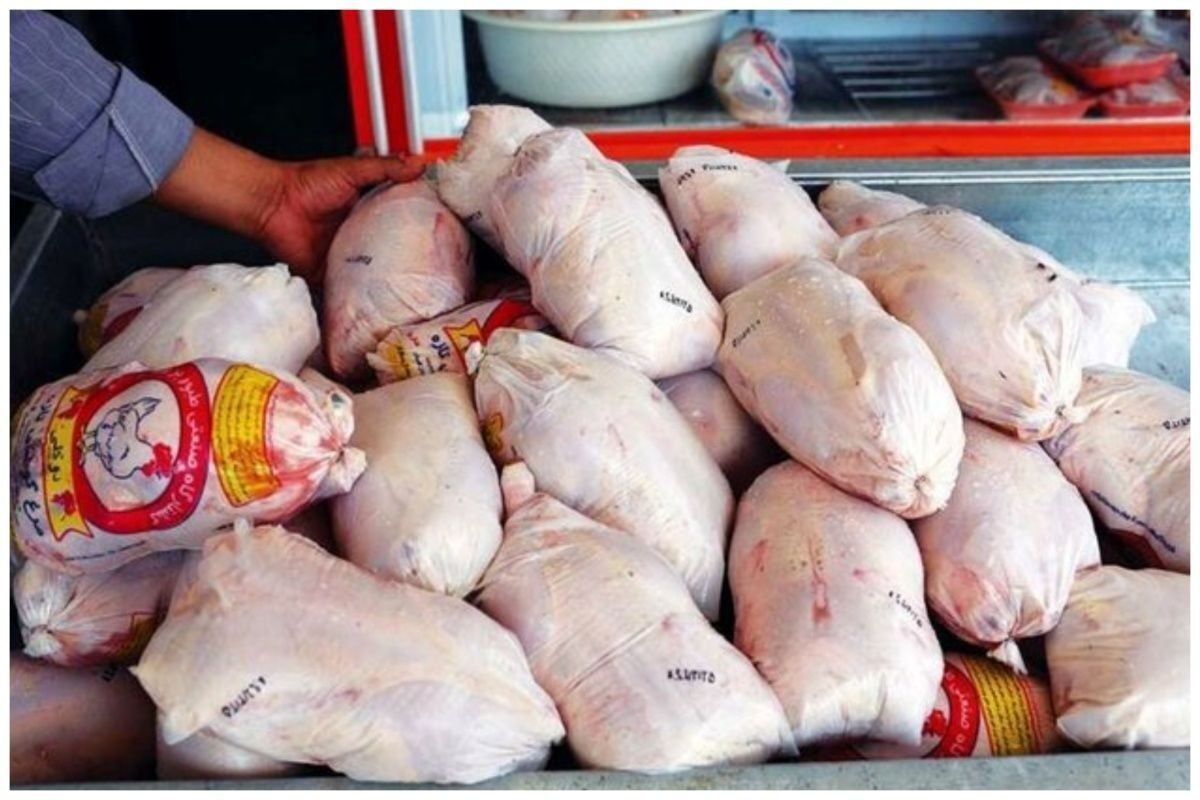
Iran has conditionally authorized exports of fresh or chilled whole and cut chicken meat. The decision follows reports of surplus production, daily producer losses of about 700 billion tomans and an unimplemented permit covering 10,000 tonnes.
Trade ministry approves conditional exports
Iran’s Ministry of Industry, Mine and Trade has conditionally authorized exports of chicken meat following coordination with the Ministry of Agriculture Jihad, according to Quds Online. The ministry’s Export and Import Regulations Office communicated the decision to the export department of Iran’s customs administration.
The authorization covers chicken legs, breasts, shoulders and wings under tariff code 02071310. It also applies to fresh or chilled, uncut chicken meat under code 02071100. Shipments must comply with the rules and conditions established by the authorities, although the report did not specify export destinations, a start date or the detailed requirements that exporters must meet.
Surplus production pressures poultry farmers
The policy change follows temporary restrictions on exports of some protein products, including eggs, which were introduced to regulate the domestic market and secure supplies for consumers. The conditional framework indicates that the government is seeking to make surplus production available to exporters while retaining the ability to protect domestic supply and prices.
Iranian producers say the country has capacity to produce more than 3.2 million tonnes of chicken meat and could become a significant regional exporter. However, the poultry farmers’ union recently reported that producers were losing about 700 billion tomans per day because chicken was being sold below production cost. The Food Security and Market Regulation Working Group had already approved limited and controlled exports of 10,000 tonnes, but Quds Online reported that the authorization had not yet been implemented and was small compared with the available surplus.
Execution will determine the market impact
Akbar Fathi, deputy minister for planning and economic affairs at the Ministry of Agriculture Jihad, said production should remain slightly above domestic requirements. He argued that surplus output needs a defined outlet through support purchases or exports to prevent losses for producers. According to Fathi, exporting at least 10% of surplus production could help regulate the market if shipments are carefully planned and do not damage domestic availability.
Habib Asadollahnejad, chief executive of the Broiler Farmers’ Union, said the existing 10,000-tonne permit had produced no noticeable reduction in farmers’ losses because exports had not begun. He also said support purchases had failed to balance the market. In the Iranian months of Khordad and Tir, farmers placed 140 million chicks, around 20 million more than the country required. Asadollahnejad estimated that lower feed-input prices would take at least 45 more days to affect production costs, while farmers who used higher-priced inputs were losing 70,000 to 80,000 tomans on every kilogram of chicken sold. The new authorization may therefore provide an outlet for excess supply, but its effect will depend on implementation, export volumes and continued monitoring of production, stocks, domestic prices and consumption.