Iran’s Official Poultry-Meat Supply Falls 3% Year on Year in August
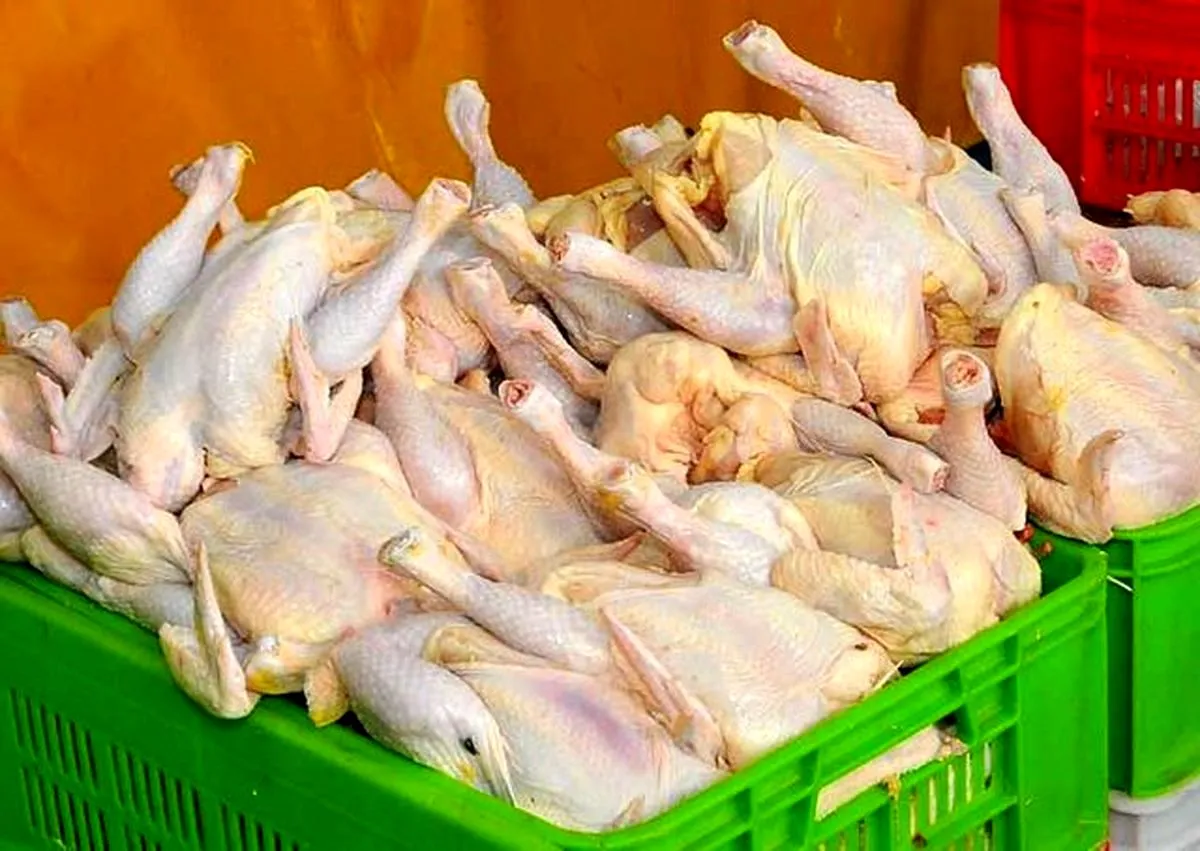
Iranian slaughterhouses supplied 211,229 tonnes of poultry meat in Mordad 1405, down 3% from the same month a year earlier. Chicken represented 204,513 tonnes, or 96.8% of the total, according to data reported by ANA.
Official supply reaches 211,229 tonnes
Iran’s official slaughterhouses supplied 211,229 tonnes of poultry meat in Mordad 1405, according to figures from the Statistical Center of Iran reported by ANA. The total was 3% lower than in the corresponding month of 1404, indicating a year-on-year contraction in the volume passing through the country’s formally monitored slaughtering system.
The monthly comparison was more positive. Supply increased by about 2% from Tir 1405, the immediately preceding month. The figures therefore show a short-term recovery in slaughterhouse output, although the volume remained below its level a year earlier. The data cover poultry slaughtered in official facilities and should not be treated as a complete measure of every form of poultry production or distribution in Iran.
Chicken accounts for nearly 97% of volume
Chicken dominated the product mix, contributing 204,513 tonnes and 96.8% of all poultry meat supplied by official slaughterhouses. Turkey accounted for 2,275 tonnes, equivalent to 1.1% of the total. Other poultry species supplied a combined 4,441 tonnes, or 2.1%.
This concentration means changes in chicken slaughter and supply largely determine movements in Iran’s overall poultry-meat market. Turkey and other poultry products together represented only 3.2% of recorded volume. For producers, processors and distributors, the figures underline the market’s dependence on the performance of the chicken production chain rather than on a broadly diversified poultry portfolio.
Annual decline warrants close monitoring
ANA noted that poultry remains important to Iran’s food security because it is generally more affordable than many other types of meat and holds a significant place in household consumption. A sustained reduction in supply could therefore affect access to animal protein and increase pressure on the domestic protein market. However, the reported data contain no price figures and do not establish that the August decline caused shortages or higher retail prices.
ANA said the 3% annual reduction could reflect higher production costs, difficulties securing feed and other inputs, or constraints elsewhere in the production chain. The publication also cautioned that determining the cause would require additional evidence on chick production, input availability, production costs and demand. The 2% monthly increase suggests that operating capacity remained active, but one month of growth does not reverse the annual decline. Market participants will need subsequent slaughterhouse data to determine whether August marked the start of a recovery or only a temporary increase.