Iran’s forecast 40,000-ton fig crop faces weak demand and rising production costs
Iran expects to produce about 40,000 tonnes of figs in the year 1405, but growers are struggling to secure a market for the crop. The Iranian Fig Association warns that rising costs and weaker income could reduce orchard maintenance and threaten future production.
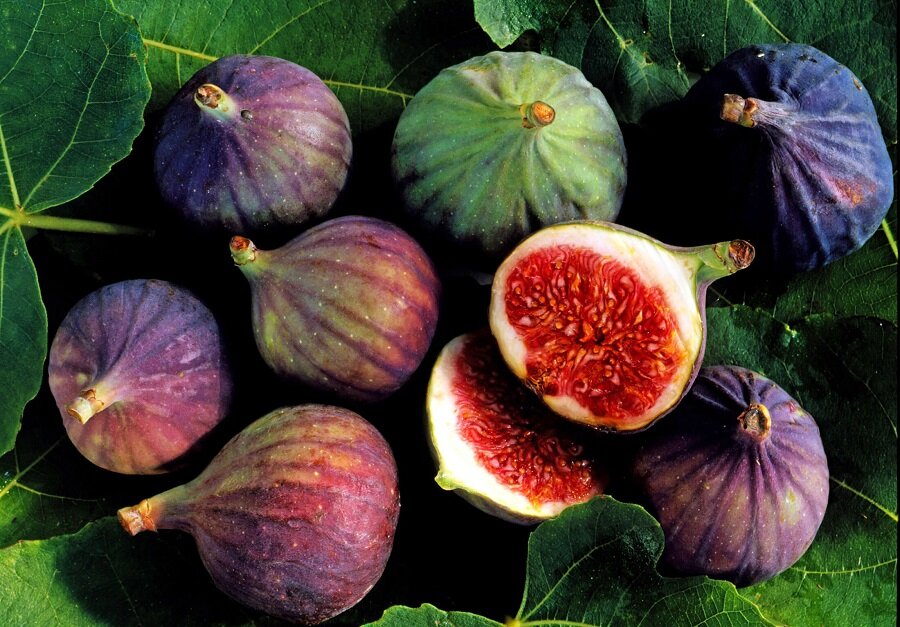
Growers face a market problem
Iran is forecast to produce about 40,000 tonnes of figs in the year 1405, but growers face insufficient market support and mounting production costs. Abbas Rezazadeh, president of the Iranian Fig Association, told Tahlil Bazaar that the estimate was based on available assessments and expert evaluations. He warned that declining grower income, combined with higher costs, could affect orchard care and the continuity of production in subsequent years.
Fig production requires spending throughout the agricultural cycle rather than only at harvest. Growers must finance irrigation, fertiliser, pest control, labour, pruning, orchard maintenance and picking. An increase in any of these expenses raises the final cost of production. If sales revenue does not cover those outlays, growers have less money available to prepare orchards for the following season.
The immediate concern is therefore not the availability of fruit but the ability to sell it on terms that sustain producers. The source did not provide farmgate prices, sales volumes or export figures, making it impossible to quantify the current imbalance. However, the association’s warning points to pressure on margins and liquidity at orchard level, where reduced spending can quickly affect yields and crop quality.
Productivity is favoured over orchard expansion
Rezazadeh said support should extend beyond direct financial assistance. Access to agricultural inputs, reliable water supplies, training in modern orchard management and greater mechanisation could lower costs and improve productivity. Suitable credit, working capital, measures to contain production expenses and assistance with orchard renovation were also identified as ways to preserve existing capacity.
Water scarcity limits the case for expanding Iran’s planted area. The report argues that raising output from existing orchards may be more economical than adding new acreage. Modern irrigation, better water management, rehabilitation of low-yield orchards, appropriate varieties and improved technical knowledge could increase production per unit of land.
Agricultural technology could also help growers monitor soil and water conditions, manage tree nutrition, identify pests and diseases, and determine the appropriate harvest period. These measures would not solve the lack of buyers by themselves, but they could reduce unit costs and help producers protect quality while margins remain under pressure.
Iran competes in a concentrated producing region
Global fig production has exceeded 1 million tonnes annually in recent years, according to figures from the UN Food and Agriculture Organization cited by Tahlil Bazaar. Production is concentrated in warm, dry and Mediterranean climates. Turkey has been the largest producer, with output in the range of several hundred thousand tonnes, while Egypt has exceeded 200,000 tonnes in some years. Algeria, Morocco and Iran are also among the established producing countries.
Iran remains well behind the largest suppliers, but its forecast crop is significant given the country’s water constraints and climate. Differences between producers reflect planted area, orchard numbers, yields per hectare and growing conditions. Preserving Iran’s 40,000-tonne capacity will depend on whether growers can finance another production cycle. Without stronger market access or lower costs, the risk is that orchard maintenance declines before the effect becomes visible in national production figures.