Indonesia’s warehouse receipt system supports $227,443 coffee exports to China and Morocco
Indonesia exported 38.4 tonnes of coffee worth $227,443.2 from an SRG warehouse to China and Morocco. A further eight containers of semi-washed Arabica, valued at $1.25 million, are planned for China.
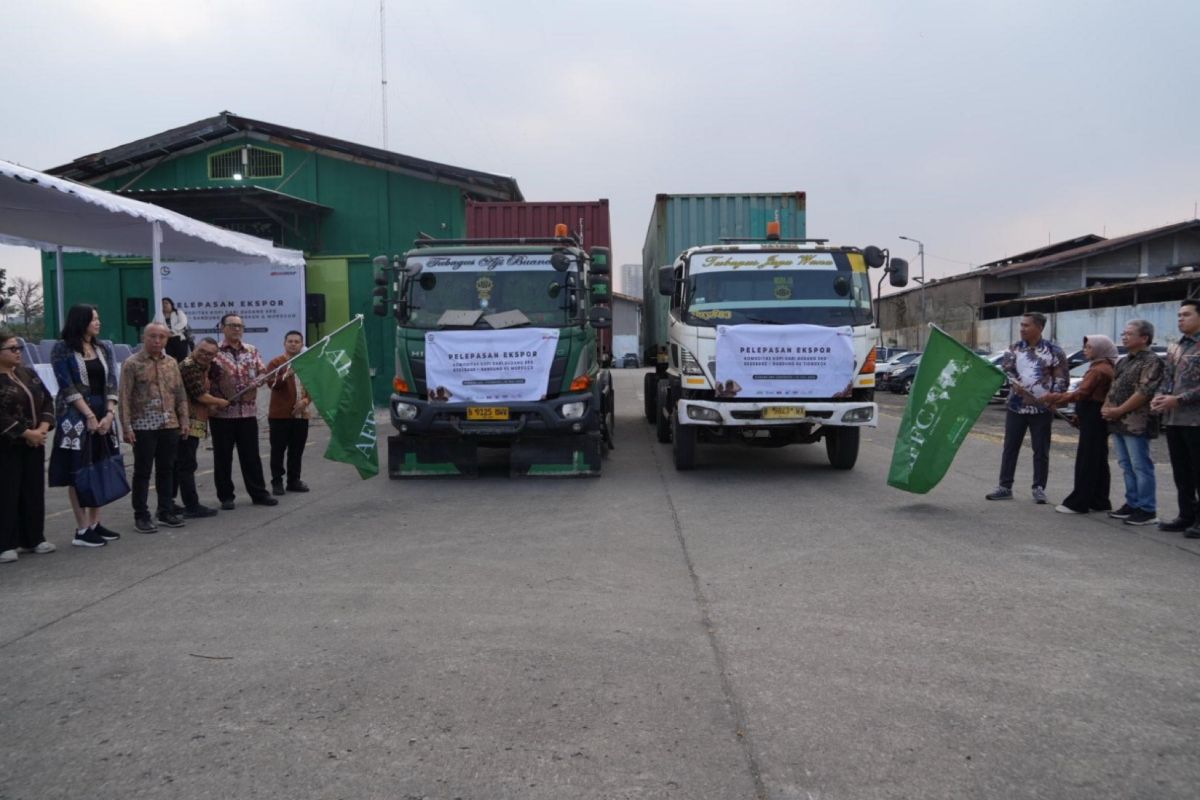
Two containers open new export channels
Indonesia’s Warehouse Receipt System, known locally as SRG, has supported coffee exports worth $227,443.2, or approximately Rp4.08 billion, to China and Morocco, according to Indonesian news agency ANTARA. The transactions show how a system designed to provide commodity-backed financing can also connect farmers, aggregators, warehouse operators and logistics providers with overseas buyers.
The completed shipments comprised two containers with a combined volume of 38.4 tonnes. One container carried 19.2 tonnes of Grade 2 Robusta coffee to Morocco, valued at $71,040. The other contained 19.2 tonnes of semi-washed Arabica coffee for China, valued at $156,403.2. Both consignments originated at the KAI-ASLI Gedebage SRG warehouse.
Eight additional containers planned for China
Indonesia’s Commodity Futures Trading Regulatory Agency, or Bappebti, said the initial exports are expected to be followed by eight containers of semi-washed Arabica coffee for China. The planned shipment has a total volume of 153.6 tonnes and a stated value of $1,251,225.60. If completed, it would be four times the volume of the two consignments already dispatched and would make China the principal destination in this SRG-linked coffee program.
Bappebti head Tirta Karma Senjaya said the shipments demonstrate that effective use of warehouse receipts can strengthen the competitiveness of Indonesian commodities, add value and widen international market access for farmers and businesses. He also said coffee stored under the SRG mechanism maintained its quality and met international market standards. For buyers, documented storage and quality management can reduce uncertainty over the condition and traceability of a consignment before export.
Financing, storage and rail logistics converge
The export chain brought together farmers from the Gunung Luhur Berkah Cooperative, PT ASLI Logistik Indonesia as aggregator, PT Sucofindo as operator of the SRG warehouse and PT Kereta Api Indonesia as the warehouse owner and initiator of the rail-based SRG model. PT Kliring Berjangka Indonesia served as the system’s registration center. Bappebti described the arrangement as a partnership involving central and regional governments, financing institutions, warehouse managers, logistics companies and farmer cooperatives.
Warehouse receipts allow stored commodities to support access to financing while producers wait for a sale or shipment. In this case, the infrastructure also provided aggregation, quality preservation and a route into export logistics. That combination is particularly relevant for small producers who may lack the volume, working capital or documentation required to supply foreign customers independently.
Implications for Indonesia’s coffee sector
The Morocco shipment creates a concrete outlet for Grade 2 Robusta, while the larger Arabica program is oriented toward China. Bappebti said the transactions could help diversify Indonesian coffee exports, which remain concentrated in a limited number of destination markets. The two initial sales are modest in global coffee terms, but the planned follow-on order provides a test of whether the model can move from individual containers to repeat commercial flows.
Bappebti plans to continue developing SRG as a commodity financing and logistics instrument to improve farmers’ bargaining position, expand access to credit and increase Indonesian commodity exports. The commercial result will depend on whether the participating institutions can maintain consistent quality, consolidate sufficient volumes and repeat deliveries at prices acceptable to both producers and overseas buyers.