Indonesia targets palm oil and frozen shrimp export growth in Morocco
Indonesia is seeking wider access to Morocco for crude and refined palm oil, frozen shrimp, anhydrous ammonia and semi-finished iron and steel. Bilateral trade reached $235 million in 2025 and rose 37% year on year to $180 million in January-May 2026.
Indonesia identifies unrealized export potential
Indonesia is seeking to expand sales to Morocco of crude and refined palm oil, frozen shrimp, anhydrous ammonia and semi-finished iron and steel as the two countries work to reactivate negotiations on a bilateral trade agreement. Deputy Trade Minister Dyah Roro Esti said these products have significant export potential that Indonesia has yet to realize fully in the Moroccan market, according to Pantau.
The initiative combines immediate product-level opportunities with a broader effort to improve market access. Indonesia wants negotiations on the Indonesia-Morocco Trade Agreement to advance toward comprehensive completion in 2027. The parties intend to prepare a realistic work schedule, continue talks using an existing draft text and pursue balanced, mutually beneficial market-access commitments.
Bilateral trade accelerates in 2026
Trade between Indonesia and Morocco totaled $235 million in 2025, an increase of 33% from the previous year. Growth continued in January-May 2026, when bilateral trade rose 37% year on year to $180 million. The figures indicate that commercial activity was already accelerating before a new agreement had been concluded.
Indonesia exported goods worth $154.9 million to Morocco in 2025. Its main shipments included coffee, new pneumatic tires, animal and vegetable fats and oils, margarine and prepared food products, and coal. Indonesian exports to Morocco recorded a positive average growth trend of 4.95% during 2021-2025, while Morocco ranked as Indonesia’s 74th-largest export destination.
Indonesia imported $80.1 million of goods from Morocco in 2025. The principal products were mineral or chemical fertilizers, phosphate fertilizers, unwrought aluminium and women’s clothing. Fertilizer and aluminium give Morocco an important role as a supplier of strategic inputs to the Indonesian market, adding an industrial dimension to a relationship that is not limited to Indonesian consumer and commodity exports.
Negotiations focus on market access
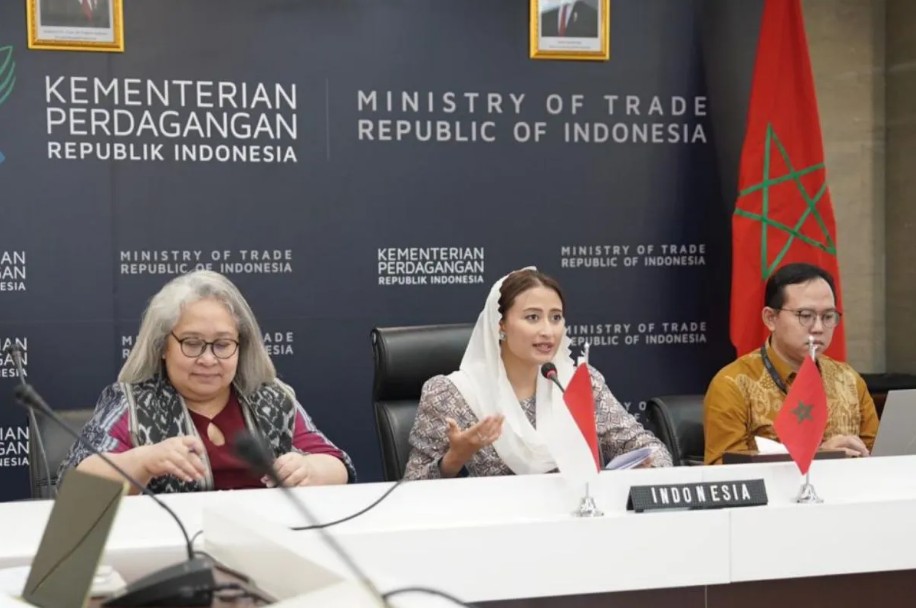
Officials discussed the next stage of bilateral economic and trade cooperation during an online meeting on August 27, 2026. Dyah Roro Esti met Omar Hejira, Morocco’s State Secretary to the Minister of Foreign Affairs responsible for foreign trade. Roro said Indonesia was ready to work constructively with Morocco to accelerate the negotiations and turn strong political ties into tangible and sustainable economic benefits.
The proposed agreement could affect several distinct supply chains. Palm oil suppliers and shrimp processors would gain from lower or simpler market barriers, while ammonia and semi-finished steel exporters would be targeting industrial buyers. The breadth of the product list means that rules of origin, tariff schedules and technical or sanitary requirements will be central to whether the identified potential converts into actual shipments.
Morocco offers access beyond its domestic market
Indonesia also views Morocco as a potential gateway for reaching customers across Africa, Europe and the Mediterranean. Morocco, in turn, could use Indonesia as an entry point into ASEAN and the wider Indo-Pacific region. This geographic logic gives both governments an incentive to pursue an agreement that supports regional distribution as well as direct bilateral sales.
For Indonesian exporters, the next practical test will be whether the negotiations produce commercially useful access for the specific products already identified. The rapid growth in trade during early 2026 provides momentum, but the size and timing of additional palm oil, shrimp, ammonia and steel flows will depend on the final terms and on the ability of suppliers to meet Moroccan market requirements.
