Indonesia targets end to diesel imports with B50 biodiesel mandate
Indonesia plans to use a mandatory B50 biodiesel blend to reduce and ultimately eliminate diesel imports. The government expects the policy to save Rp170 trillion in foreign exchange while increasing demand for domestically produced palm oil.
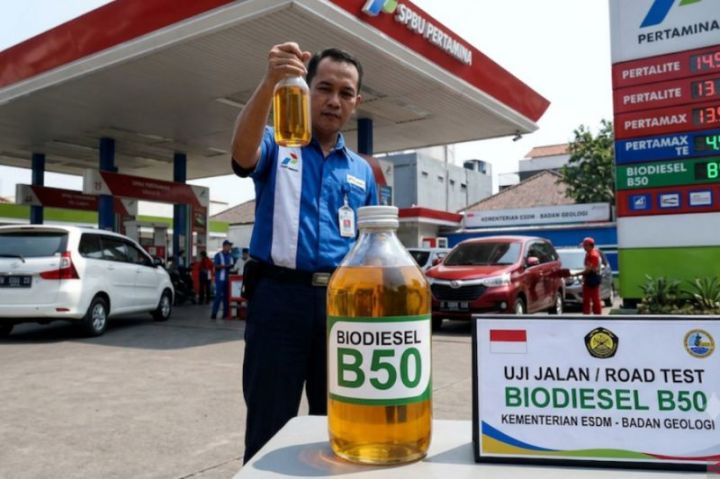
B50 becomes central to Indonesia’s energy strategy
Indonesia is advancing a mandatory B50 biodiesel policy as part of its effort to strengthen national energy independence and reduce reliance on imported diesel. The blend consists of 50% palm-oil-based biofuel and 50% conventional diesel, according to the Ministry of Energy and Mineral Resources.
The government intends the program to replace imported fuel with energy produced from domestic resources. Metro TV News reported that ending diesel imports could save Indonesia an estimated Rp170 trillion in foreign exchange. The measure would also redirect a larger share of fuel spending toward the domestic economy, including the country’s palm-oil supply chain.
Energy Ministry spokesperson Dwi Anggia said the use of locally sourced biofuel was intended both to improve energy security and to support economic activity within Indonesia. In a joint government press release cited by Metro TV News on October 9, 2026, she presented B50 as a way for fuel consumption to generate more direct benefits for Indonesian communities and agricultural producers.
Imports of 3 million to 4 million kiloliters at stake
Before the proposed B50 implementation, Indonesia was reported to import approximately 3 million to 4 million kiloliters of diesel annually. Those purchases increased the amount of foreign currency required to meet domestic energy demand and exposed the fuel market to dependence on overseas supply.
Replacing that volume would represent a substantial change for fuel procurement. Domestic biodiesel producers would need to supply a larger portion of the transport-fuel pool, while refiners, distributors and fuel retailers would have to manage a blend containing equal shares of biodiesel and conventional diesel. The source material does not specify an implementation timetable, required production capacity or the investment needed to support the mandate.
The targeted foreign-exchange saving depends on the program displacing imports in practice. Actual savings would be influenced by the volume of diesel replaced and the cost of imported fuel. Metro TV News reported the Rp170 trillion estimate but did not provide the price assumptions or calculation period behind it.
Palm-oil demand gains a larger domestic outlet
For Indonesia’s palm-oil industry, B50 would create additional domestic demand for a commodity already available at scale inside the country. Growers and processors could benefit from a larger energy market, while biodiesel manufacturers would occupy a more important position between the plantation sector and fuel distributors.
The policy also links energy security more closely to agricultural supply. A 50% biofuel share means the reliability of the diesel market would increasingly depend on consistent palm-oil feedstock availability, biodiesel processing and distribution. That makes coordination across plantations, processors, fuel companies and government agencies important to the program’s operation.
For fuel importers and traders, the direction is the opposite. If B50 eliminates the annual import requirement identified by the government, Indonesia’s demand for foreign diesel could fall by 3 million to 4 million kiloliters. The available source does not identify current supplier countries or explain how quickly existing purchasing arrangements could be reduced.
The plan therefore carries two measurable objectives: removing a recurring diesel import requirement and retaining an estimated Rp170 trillion of foreign exchange. Its market impact will depend on whether domestic palm-oil-based biodiesel can replace imported volumes reliably while supplying a 50% blend across Indonesia’s fuel system.