Indonesia Targets Faster Cocoa Export Growth to EU Through IEU-CEPA
Indonesia plans to use the IEU-CEPA trade agreement to expand cocoa exports to the European Union. The agreement is targeted for signing in September 2026 and would gradually reduce EU import tariffs on Indonesian cocoa products to zero by 2031.
Trade agreement offers route into Europe
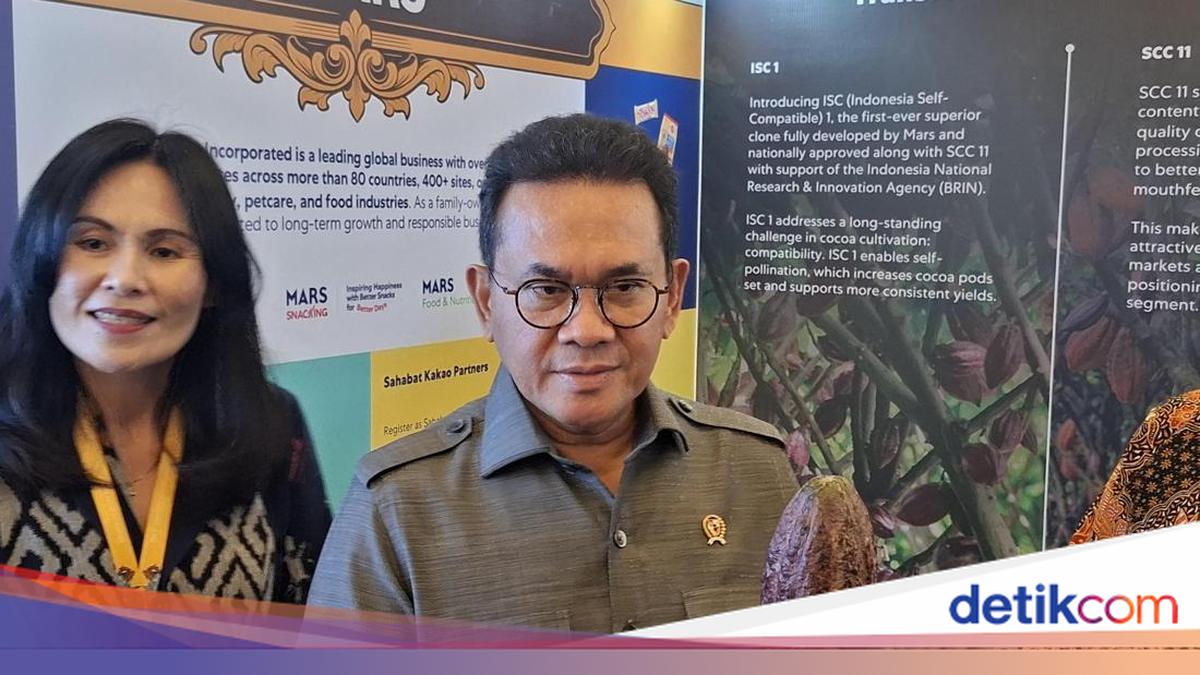
Indonesia is seeking to accelerate cocoa export growth in the European Union through the Indonesia-European Union Comprehensive Economic Partnership Agreement, or IEU-CEPA. Trade Minister Budi Santoso said the government hopes the agreement can be signed in September 2026, opening broader access to one of the world’s largest consumer markets.
Speaking at an international cocoa conference in Jetis, Yogyakarta, on July 23, 2026, Budi said Indonesia’s immediate priority was to raise productivity across both the upstream and downstream segments of the cocoa industry. The country produces cocoa beans and has an established processing sector, but the government sees further export-market development as the next challenge.
According to detik.com, Indonesia has 25 trade agreements already in operation. The government views IEU-CEPA as an additional opportunity for the domestic cocoa industry, particularly because Indonesian products currently face import tariffs that weaken their position against competing suppliers in Europe.
Tariffs expected to reach zero by 2031
Indonesian Cocoa Association, or Askindo, chairman Jeffrey Haribowo said IEU-CEPA would improve the competitiveness of Indonesian cocoa products in the European market. Under the expected tariff schedule, duties would be reduced gradually and reach zero in 2031.
Jeffrey said Indonesian cocoa has been at a disadvantage in Europe because it remains subject to import tariffs, while products from some other cocoa-producing countries receive more favorable treatment. Reaching a zero tariff would put Indonesia on the same tariff footing as rival origins and could give processors more room to compete for European buyers.
The agreement is commercially significant for Indonesia’s processing industry. Jeffrey said about 90% of the country’s processed cocoa products are already sold abroad. Wider European access could therefore affect an industry whose sales are heavily dependent on external demand, rather than creating an export channel from scratch.
Government wants production to remain domestic
Budi said the government wants the full cocoa value chain, from plantations to processing plants, to develop within Indonesia while foreign markets provide demand for the finished products. This approach is intended to retain more production activity domestically and support both the agricultural and industrial parts of the sector.
The strategy places productivity alongside trade policy. Expanding preferential access will improve tariff conditions, but Indonesia will also need sufficient bean output, consistent quality and competitive processing operations if companies are to convert those conditions into higher sales. The minister also identified the United States as another large market, although the current trade initiative is focused on the EU.
EUDR compliance remains a market-access condition
Indonesia is also preparing for the European Union Deforestation Regulation, or EUDR, to prevent compliance requirements from disrupting cocoa shipments. Budi said the government was developing a traceability system for the supply chain even though detailed technical guidance had not yet been issued.
Discussions with the EU are continuing through Indonesia’s representatives in Brussels. For exporters and processors, traceability will be essential alongside any tariff benefit: lower duties can improve price competitiveness, but access to European customers will still depend on proving that supply chains meet EU requirements.
The combination of IEU-CEPA and EUDR preparation will therefore determine the practical opportunity for Indonesia’s cocoa sector. A signed agreement could progressively remove the tariff disadvantage by 2031, while an effective traceability system would help preserve physical access to the market. Producers and processors will need both elements to turn preferential trade terms into sustained European sales.