At Least 64 Indonesian Small Rice Mills Shift From Diesel to Electricity
At least 64 small rice mills in Indonesia can now produce rice with lower carbon emissions after replacing diesel-powered machinery with electric equipment. The initiative introduces a potential low-carbon segment to Indonesia’s rice-processing industry, although no emissions, capacity or cost data were disclosed.
Small mills replace diesel power
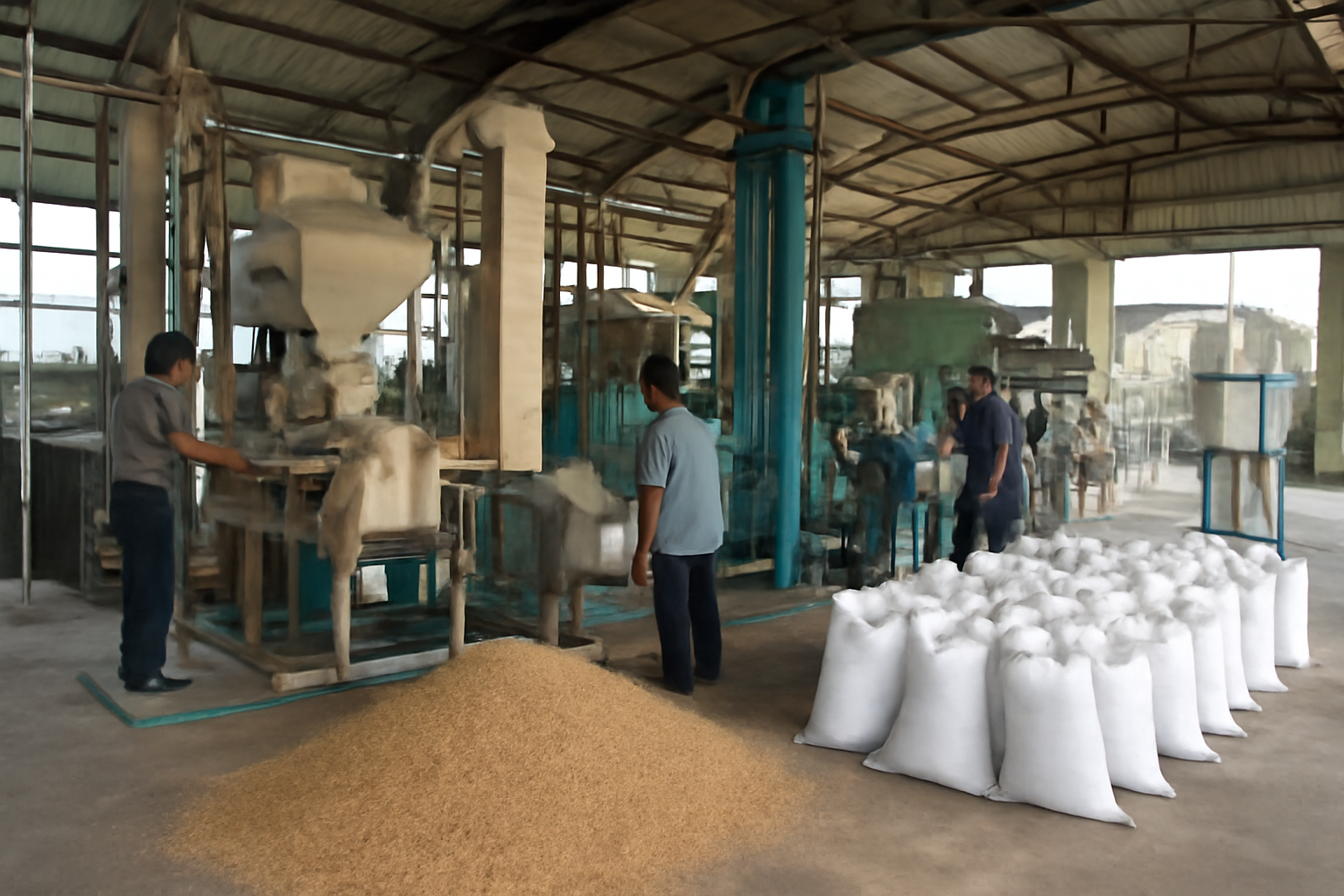
At least 64 small rice mills in Indonesia are now able to produce rice with lower carbon emissions after changing the energy source used to operate their machinery from diesel fuel to electricity, according to Investor.id. The development brings electrification into a segment of the rice industry dominated by smaller processors and creates the basis for a differentiated supply of lower-carbon rice.
The reported change concerns the power used during milling, when harvested paddy is processed into rice. Replacing diesel-driven machinery can remove fuel combustion from operations at the mill itself. The source material, however, does not provide estimates of the resulting emissions reduction, the amount of rice processed by the 64 mills or their share of Indonesia’s total milling capacity.
Economics will determine wider adoption
For mill operators, electrification changes both the equipment configuration and the source of operating energy. Diesel must be purchased, transported and stored, while electric machinery depends on a stable connection and adequate local power supply. The information provided does not compare electricity and diesel costs, disclose investment requirements or identify how the conversions were financed.
Those missing figures will be important in assessing whether the model can spread beyond the initial group. Small mills generally have less capital available for new equipment than large processors. Adoption is therefore likely to depend on whether lower fuel and maintenance expenses can offset conversion costs, as well as whether mills can operate without costly interruptions in electricity supply.
The environmental result also depends on how the electricity is generated. Electrification eliminates diesel exhaust at the processing site, but total emissions must be assessed across the power supply. Investor.id describes the output as low-carbon rice, yet the available source text does not specify the electricity mix, the accounting method or whether the product will receive independent certification.
A possible differentiated rice supply
If emissions can be measured consistently, the 64 mills could form the starting point for a distinct supply chain serving buyers that track the carbon footprint of agricultural products. Producers and processors would need traceability from paddy procurement through milling, while traders and retailers would need credible evidence that lower emissions were achieved rather than merely claimed.
No information was provided on production volumes, participating regions, rice varieties, commercial buyers or any price premium for the lower-carbon output. It is therefore too early to determine whether the change will affect Indonesian rice prices or trade flows. Its immediate significance lies in demonstrating that emissions-reduction measures can be applied to small-scale processing, rather than only to large industrial plants.
The next test is commercial replication. Expansion will require reliable electricity, equipment suited to the throughput of small mills and operating savings that are visible to owners. Transparent data on energy consumption, emissions per unit of rice and production costs would allow producers, lenders and buyers to judge whether electrified milling can become a competitive standard in Indonesia’s rice sector.