Indonesia Seeks More Modern Rice Mills to Cut Post-Harvest Losses
Indonesia’s Agriculture Ministry called for more advanced integrated rice mills as paddy losses can reach 30%. A new Mojokerto facility can process 30 tonnes per hour while keeping milling losses below 5%.
Ministry targets losses of up to 30%
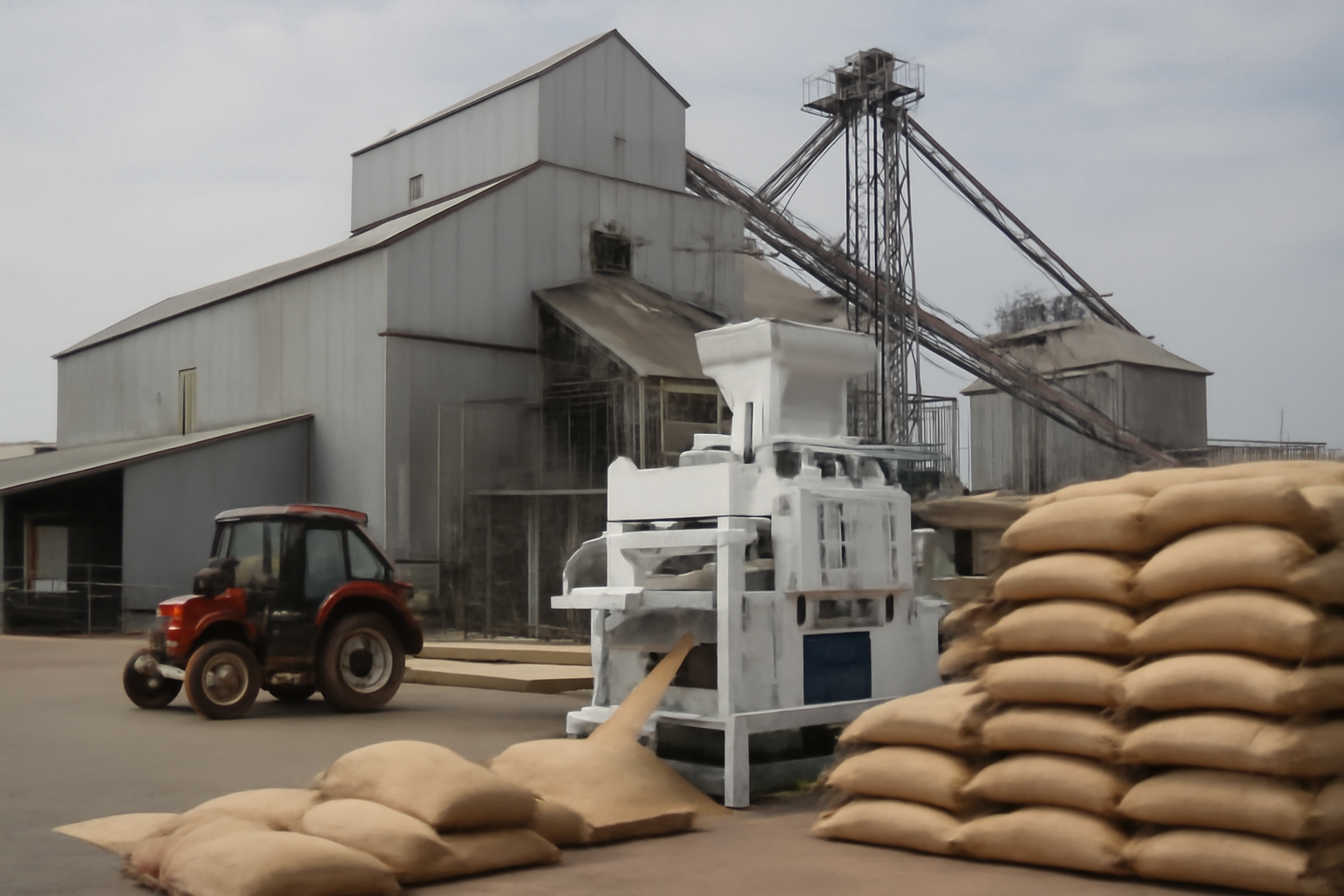
Indonesia needs more modern rice mills equipped with advanced technology to reduce the country’s high post-harvest losses, Agriculture Minister Suswono said at the inauguration of an integrated milling facility in Mojokerto, East Java. According to ANTARA, losses in the paddy supply chain can reach 30%, limiting the volume of rice available for sale and weakening the economics of domestic production.
Suswono identified post-harvest losses as one of several factors reducing the competitiveness of Indonesian food and agriculture, particularly within Southeast Asia. He also pointed to productivity constraints and a shortage of agricultural land. The ministry has been revitalizing small and medium-sized rice mills, but the minister said refurbishment alone would not be sufficient without broader modernization and greater use of post-harvest technology.
The government’s call was also linked to Indonesia’s preparations for the ASEAN Economic Community and the regional free market scheduled to begin on 31 December 2015. More integrated mills could help domestic processors achieve higher recovery rates, more consistent quality and better commercial positioning against rice suppliers elsewhere in the region.
East Java’s milling base remains fragmented
East Java illustrates the scale of the modernization challenge. The province, one of Indonesia’s largest rice-producing regions, had 27,607 rice mills, but only 417 were classified as large facilities, according to East Java Deputy Governor Syaifullah Yusuf. That represented 1.5% of the provincial total. Around 25,525 units, or 95.5%, were small-scale mills, while 1,665 units, or approximately 6%, were medium-sized.
The figures reported by ANTARA overlap when expressed as shares of the total, but the central picture is clear: processing is dominated by small operators. This fragmented structure makes cooperation between industrial plants, farmer groups and existing local mills important. Syaifullah said the new facility should work with farmer organizations, purchase their paddy and cooperate with small rice mills across East Java.
East Java currently contributes around 17% of Indonesia’s national rice production. The deputy governor said the Lumbung Padi Indonesia project should not only raise provincial rice output but also improve farmer income through mutually beneficial commercial arrangements.
New plant combines scale with contract farming
The integrated mill belongs to PT Lumbung Padi Indonesia, founded by Rachmat Gobel and Fara Luwia in cooperation with Japanese agricultural-equipment company Satake. The facility has capacity to process 30 tonnes of paddy per hour, equivalent to 150,000 tonnes of harvested dry paddy annually. LPI President Commissioner Rachmat Gobel said the company would buy farmers’ paddy at market prices, a commitment intended both to support growers and to secure continuous supplies for the plant.
LPI President Director Fara Luwia said losses at the new mill were below 5%, compared with the national loss level of as much as 30% cited by the minister. The company uses contract farming with farmer groups to secure raw material and provides guidance aimed at improving crop quality. LPI produces premium rice and plans to develop the operation into a zero-waste integrated rice business producing derivatives including oil and rice vermicelli. The project therefore tests whether advanced processing, reliable procurement and farmer support can improve both recovery rates and product value in Indonesia’s rice sector.