Indonesia seeks greater palm oil market access in India through trade talks
Indonesia has asked India to expand market access for palm oil and other leading commodities. The two governments will pursue the AITIGA review, explore a bilateral preferential trade agreement and reactivate a forum addressing non-tariff barriers.
Palm oil raised in Jaipur talks
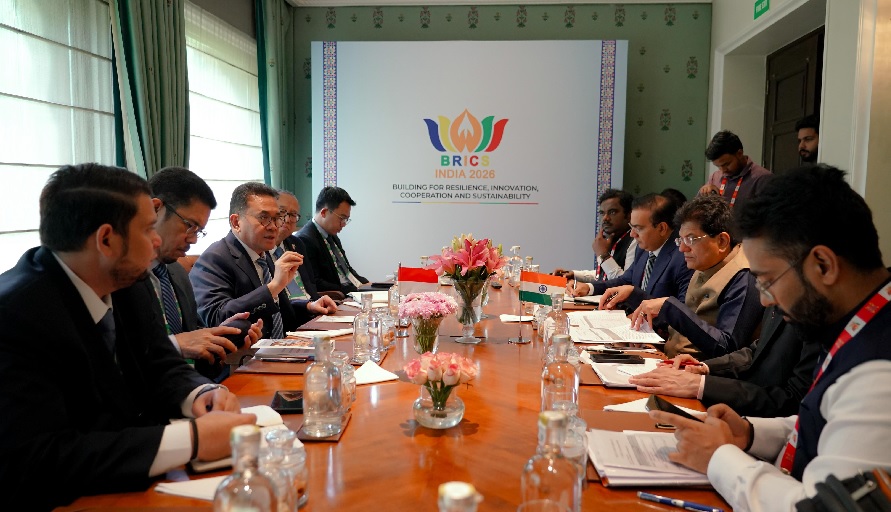
Indonesia is pressing for greater access to India’s palm oil market as the two countries seek to deepen their trade and investment relationship. Indonesian Trade Minister Budi Santoso raised the issue during bilateral discussions with Indian Commerce and Industry Minister Piyush Goyal in Jaipur on 7 August, according to Jambi Ekspres.
The meeting took place alongside the BRICS Trade Ministers’ Meeting. Indonesia presented wider access for its leading export commodities as a priority, with palm oil and coal identified as the main products supporting Indonesian exports to India. The Indonesian government regards India as its third-largest destination for non-oil and gas exports, making continued access to the Indian market commercially important for producers and exporters.
AITIGA review targets 80% liberalization
The talks linked immediate commodity concerns with negotiations over the ASEAN–India Trade in Goods Agreement, or AITIGA. Indonesia supports completing the agreement’s review this year and is targeting market-access liberalization of 80%, Jambi Ekspres reported.
Santoso said Indonesia remained committed to strengthening trade with India both bilaterally and through the ASEAN–India framework. He called for trade conditions that are more open, facilitative and mutually beneficial, with the aim of increasing bilateral trade and investment.
Indonesia is continuing consultations with domestic businesses before agreeing to tariff reductions. Santoso said the government required time for intensive discussions with domestic stakeholders so that the outcome would deliver the greatest possible benefit to businesses. The process indicates that Jakarta is seeking additional access in India while assessing how broader tariff commitments could affect industries at home.
Bilateral agreement proposed
Indonesia has also proposed an Indonesia–India Preferential Trade Agreement, known as the ID–IN PTA. The bilateral arrangement is intended to complement AITIGA and facilitate the movement of export products between the two countries. According to Jambi Ekspres, the Indian government responded positively to the proposal.
Goyal suggested that technical discussions on the ID–IN PTA and a meeting between business delegations should proceed after the AITIGA review has made significant progress. India also offered to hold technical meetings online to accelerate the implementation of the countries’ trade cooperation.
Non-tariff barriers move onto agenda
The two ministers agreed to reactivate the Working Group on Trade and Investment. The forum is expected to address non-tariff barriers and pursue a balanced expansion of market access. Its revival gives companies and officials a channel for dealing with obstacles that may remain even if tariff negotiations advance.
For Indonesia’s palm oil sector, the talks are focused on preserving and widening access to a major destination rather than announcing a completed concession. The 80% liberalization objective, the proposed bilateral agreement and the revived working group create three negotiating tracks, but each still requires further discussions. Goyal’s sequencing of bilateral technical work after significant AITIGA progress also makes the regional review an important milestone for subsequent negotiations.
The outcome will matter to Indonesian palm oil and coal suppliers as well as Indian buyers that depend on reliable commodity flows. Until the negotiations produce detailed tariff schedules or changes to non-tariff requirements, however, the immediate result is a commitment to continue talks and establish mechanisms for resolving market-access constraints.