Indonesia Scrutinizes Rice Millers After Rp2 Trillion Monthly Profit Claim
Indonesian officials are examining the market power of private rice millers after President Prabowo Subianto said one mill could earn Rp2 trillion per month during harvest. A South Sumatra official said no operation of that scale had been identified locally, while calling for balanced prices for farmers and consumers.
Profit claim draws scrutiny
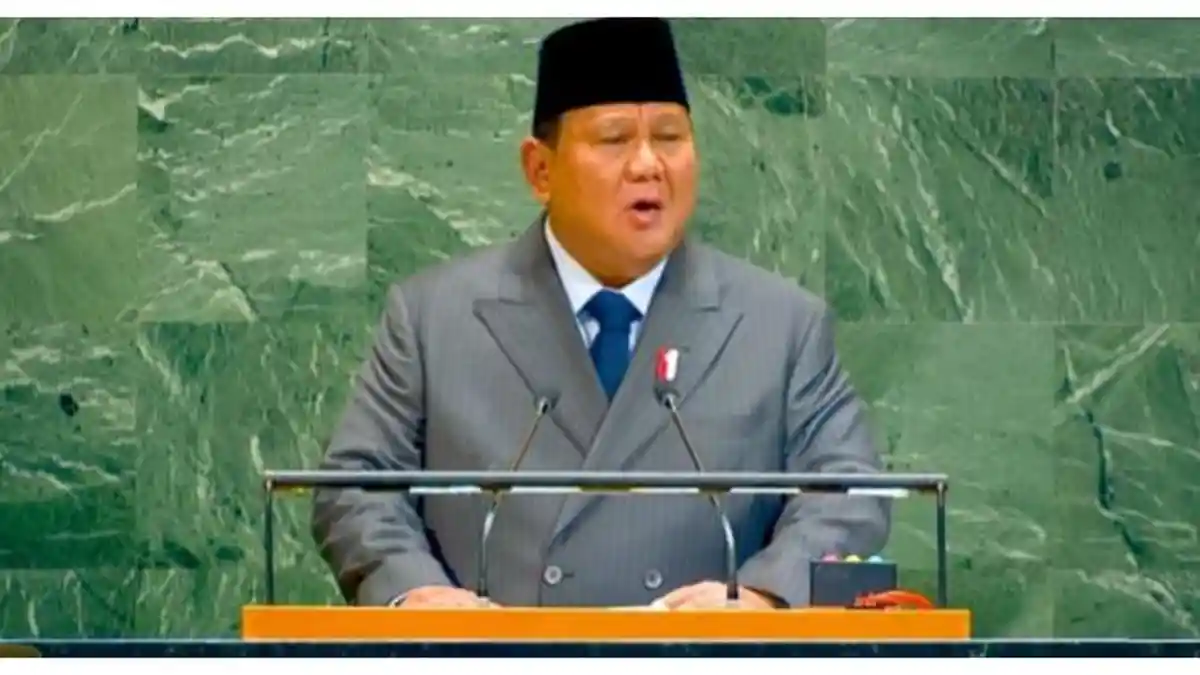
Indonesia’s rice-milling industry is facing closer scrutiny after President Prabowo Subianto said a single rice mill could generate profit of as much as Rp2 trillion per month during the harvest season. The statement prompted responses from national and regional agricultural officials about millers’ earnings, pricing practices and influence over the country’s rice supply chain.
Bisnis Indonesia reported that Agriculture Minister Andi Amran Sulaiman considered the alleged Rp2 trillion profit unreasonable. The publication’s report linked the concern to mills selling premium rice that was allegedly below the required standard. The available source material does not identify the mill involved or specify how the profit estimate was calculated.
Bambang Pramono, head of South Sumatra’s Food Crops and Horticulture Agriculture Agency, told Tribunsumsel.com on 30 July 2026 that the president would have data supporting his statement. However, Bambang said his agency had not found comparable conditions among rice mills operating in South Sumatra.
Private mills control most production
South Sumatra has several large rice mills, but their scale does not match the operation described by Prabowo, according to Bambang. He suggested that such a business might operate elsewhere in Indonesia. He also argued that the main issue raised by the president was not merely the size of one company’s profit, but the private sector’s dominant position in the national rice trade.
Private rice mills handle an estimated 85% to 90% of Indonesia’s rice production, while the government controls around 10% to 15%, Bambang said. National production totals approximately 34.7 million tonnes. Those shares give large commercial mills an important role in determining how grain moves from farms into the consumer market and in maintaining both supply and price stability.
Indonesia ranks among the world’s five largest rice-producing countries, according to Bambang. Yet high domestic consumption means that large output alone does not remove pressure on affordability. The concentration of processing and distribution capacity among private mills makes cooperation between companies, farmers and public agencies particularly important during harvest periods.
Officials seek a balance between farm and retail prices
Bambang called on large millers to work more closely with farmers and the government when market prices are determined. The aim, he said, should be a balance that allows growers to earn a reasonable return without pushing rice beyond the reach of consumers.
He identified roughly Rp6,500 per kilogram as a reasonable price for harvested dry paddy, known locally as GKP. At the consumer level, he said rice should remain accessible at approximately Rp12,000 to Rp13,000 per kilogram. These benchmarks imply a need to monitor the margins created between farmgate grain purchases and retail rice sales, although the source did not provide processing costs or a standard profit margin for millers.
The debate may therefore extend beyond the disputed Rp2 trillion figure. For producers, the central question is whether mills pay enough for paddy during the harvest. For processors and traders, greater scrutiny could bring pressure to explain costs, product grades and selling prices. For consumers and the government, the priority is maintaining affordable supplies in a market where private operators handle most national output.