Indonesia promotes palm-based bioenergy to strengthen energy self-sufficiency
Indonesia is promoting palm-based bioenergy as a way to reduce fossil fuel imports, curb emissions and strengthen energy security. The strategy could also create additional demand for palm feedstock and raise farmer incomes.
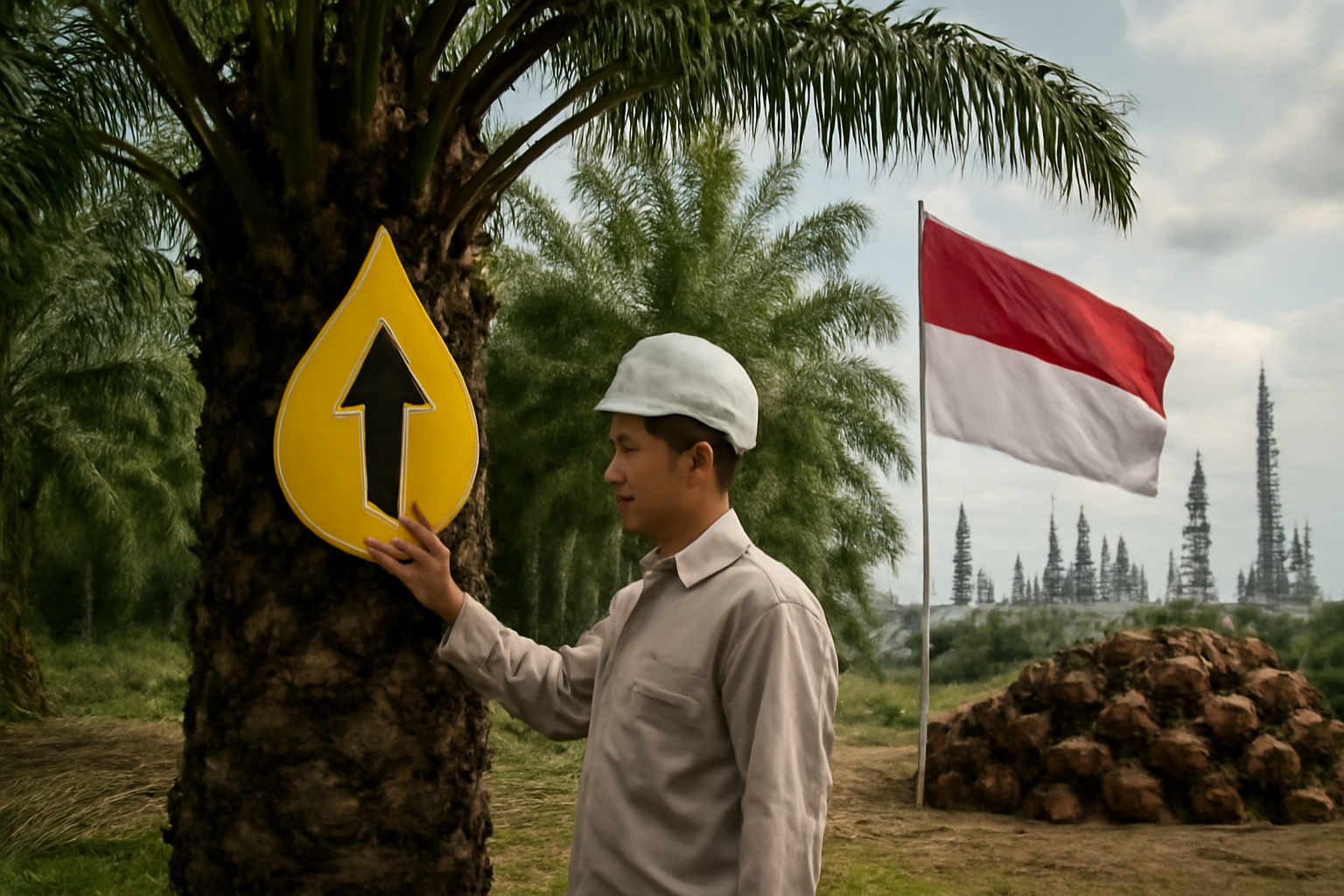
Palm feedstock gains a wider energy role
Indonesia is promoting palm-based bioenergy as part of its drive for greater energy and economic self-sufficiency. BeritaSatu reported that bioenergy derived from palm oil could strengthen the country’s energy resilience, reduce dependence on imported fossil fuels, lower emissions and increase farmer incomes.
The approach links Indonesia’s large palm sector with its need for domestically available energy. Converting more locally produced palm feedstock into fuel would give the country another way to replace part of its fossil fuel consumption with a renewable raw material produced inside its own borders. For policymakers, the appeal lies in addressing energy security, emissions and rural income through the same supply chain.
Lower import dependence is a central objective
Reducing fossil fuel imports would limit Indonesia’s exposure to international energy markets and external supply disruptions. A larger contribution from palm-based fuel could retain more energy spending in the domestic economy and reduce the amount of conventional fuel that must be sourced abroad.
The commercial effect would extend across the palm value chain. Producers could gain another source of demand, while processors and fuel suppliers would need to coordinate feedstock procurement, conversion and distribution. Farmers could benefit if stronger energy-sector demand supports purchases of palm fruit and oil, although the source material provides no estimate of the potential increase in volumes or income.
Emissions case depends on implementation
Lower emissions are another stated argument for palm-based bioenergy. The intended benefit is to substitute a domestically produced biological feedstock for fossil fuel. The source material, however, does not provide an emissions estimate, a timetable or a specific production target. The eventual impact will therefore depend on how the fuel is produced, processed and used.
For refiners, traders and investors, the direction of policy is relevant even without a disclosed capacity figure. Additional energy demand for palm feedstock could affect the allocation of crude palm oil and related products between fuel and other uses. Market participants will need to assess whether new demand is met by higher output, changes in domestic consumption or a different balance of available supply.
Farmer income forms part of the economic case
The initiative is also being presented as a way to improve farmer earnings. A broader domestic market for palm products could strengthen the connection between agricultural production and Indonesia’s energy system, allowing more value to be generated within the country.
Much will depend on how that value is distributed. Feedstock pricing, processing costs and access to the bioenergy supply chain will determine how much of the benefit reaches growers rather than remaining with processors or fuel distributors. No pricing mechanism, investment plan or farmer-support measure was detailed in the supplied material.
Indonesia’s proposed direction nevertheless carries clear implications for energy companies and the palm industry. It places palm-based fuel at the intersection of import substitution, emissions policy and rural development. The next decisive signals will be concrete rules, capacity commitments and implementation schedules showing how the stated objectives will translate into physical demand.