Indonesia's Processed Coffee Exports Reach US$692 Million in 2025, Up 4.36%
Indonesia's processed coffee exports reached US$692 million in 2025, equal to Rp12.33 trillion, a 4.36% increase on the previous year, according to Ministry of Industry data reported by finance.detik.com. Deputy Minister of Industry Faisol Riza tied the country's position as the world's fourth-largest coffee producer to its processing base. He also set out figures for tea, cocoa, horticulture, dairy, tobacco and fermented foods.
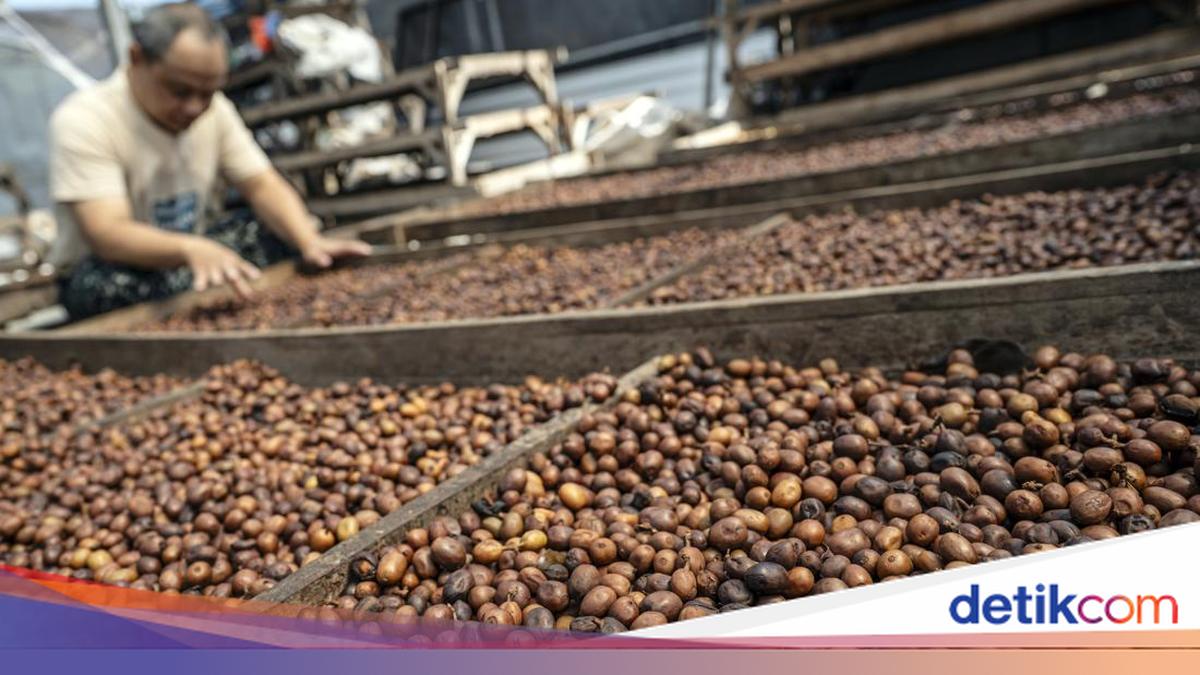
Indonesia’s processed coffee exports reached US$692 million in 2025, equivalent to Rp12.33 trillion at the quoted exchange rate of Rp17,810 per US dollar, an increase of 4.36% on the previous year, according to Ministry of Industry data reported by finance.detik.com.
The figures were presented by Deputy Minister of Industry Faisol Riza at the opening of Specialty Indonesia 2026, held at the Ministry of Industry office in Jakarta on Monday, 10 August 2026. Riza used the event to set out where Indonesia already holds a position in global processed food and beverage markets and where he sees room to move further up the value chain.
Processing behind fourth place in coffee
“The processing industry places Indonesia as the world’s fourth-largest coffee producer,” Riza said, tying the ranking to the country’s processing base rather than to raw output alone.
The export figure covers processed coffee rather than green beans, and no volume data was reported alongside it. The 4.36% gain is a value measure: on its own it does not show whether shipments grew or whether higher unit prices carried the increase. No breakdown by destination market was given.
Rp12.33 trillion is the figure carried in the headline of the finance.detik.com report, and the conversion rests on the Rp17,810 rate cited in the same article. Movements in the rupiah therefore change the reported rupiah value independently of the dollar total.
Tea shifts toward extracts and supplements
Riza said the tea processing industry is also delivering good results and plays an important role in the national economy. He cited a global tea extract market that expanded from US$3.6 million in 2019 to US$5.6 million in 2025.
The green tea supplement market reached US$909.9 million in 2025 and is projected to grow to US$1.33 billion by 2033. “This situation shows the size of the opportunity for Indonesia’s tea industry to raise its competitiveness and expand the market for value-added processed products,” he said.
Cocoa, horticulture and dairy
The Deputy Minister listed several sectors in which Indonesia already ranks among the largest players worldwide:
- fourth-largest coffee producer;
- fourth-largest producer of processed cocoa products;
- seventh-largest producer of cocoa beans;
- sixth-largest exporter of tobacco products.
Horticultural processing exports were valued at US$544.8 million in 2025, with canned pineapple the main contributor at close to half of the total. Riza said the segment is supported by abundant domestic fruit and vegetable production and by export performance that continues to improve.
Processed dairy was flagged as a growing opportunity, particularly value-added lines such as cheese and gelato. Riza linked the prospects for Indonesian cheese to the expansion of the country’s culinary, bakery, hotel, restaurant and café sectors.
Tobacco products and fermented foods
The tobacco products industry (IHT) was described as a strategic manufacturing sector built on local natural resources, with sustained growth that places Indonesia as the world’s sixth-largest exporter in the category. “One of the flagship tobacco products is the premium cigar based on Deli and Besuki Na-Oogst (N.O.) tobacco, which has been recognised by international markets,” Riza said.
Local fermented products were identified as a further area for development. Citing Fortune Business Insights, Riza put the global fermented food market at US$788.33 million in 2025, with a projection of more than US$1.2 billion by 2034. He said locally based fermented products could be developed as an industrial sub-sector capable of creating added value and competitive goods, and said he hoped Specialty Indonesia 2026 would widen exposure for Indonesian brands among businesses, hotels and restaurants abroad.