After B50 biodiesel, Indonesia targets crop-based gasoline within four years
President Prabowo Subianto has set a target for Indonesia to produce gasoline from palm oil and ethanol made from cassava, corn and sorghum within three to four years. He said the plan builds on the recent launch of B50 palm biodiesel and that the country stopped importing diesel this month.
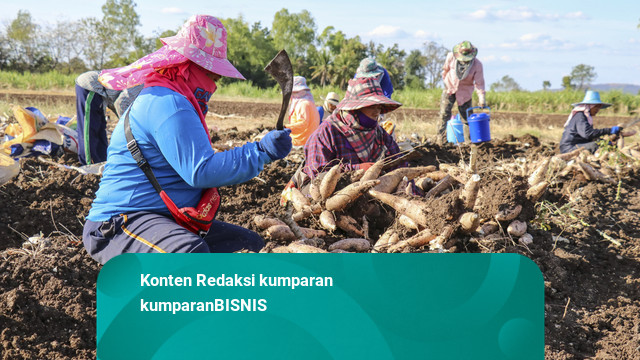
Prabowo sets three-to-four-year target for plant-based gasoline
President Prabowo Subianto has said Indonesia aims to produce gasoline from agricultural feedstocks within the next three to four years, framing the plan as part of a broader push to strengthen national energy security while raising farmer incomes. Speaking during Cooperative Day (Hari Koperasi) on Sunday, 12 July, he described plant-based fuel as the next stage of a bioenergy programme already under way, according to kumparan.com.
The government has begun that shift with the launch of B50 biodiesel, a fuel blended with 50 percent palm oil. Prabowo said the programme, rolled out only days earlier, serves as the foundation for developing other plant-based fuels. "Just a few days ago, we launched B50, diesel that is 50 percent from palm oil. Palm oil farmers are in Indonesia. Palm oil is in Indonesia," he said, as quoted by kumparan.com.
Diesel imports halted this month
Prabowo said that starting this month Indonesia no longer imports diesel (solar) from abroad. At the same time, he said, the government and academics are developing gasoline made from palm oil, alongside ethanol derived from agricultural commodities including cassava, corn and sorghum.
"Starting this month, we no longer import diesel from abroad. And our professors are now developing gasoline from palm oil. Ethanol from cassava, from corn, from sorghum, all from the land," he said, according to kumparan.com. Business outlet kabar24.bisnis.com reported that, following the B50 rollout, Prabowo hopes Indonesia can produce fuel from cassava and sorghum within three years.
New demand for farm commodities
According to Prabowo, developing crop-based fuel is intended not only to cut dependence on fossil energy but also to open new markets for domestic agricultural output. As demand for bioenergy feedstock rises, demand for farm commodities is expected to increase alongside it.
He said that if the target is met, farmers across a range of commodities would gain greater economic benefit because their harvests would be absorbed as energy feedstock. "So I hope that in another three to four years we will also be able to produce gasoline from plants. That means cassava farmers will prosper. Corn farmers will prosper," Prabowo said, as quoted by kumparan.com.
Multiplier effect on the economy
Prabowo added that the bioenergy push is expected to create a multiplier effect for the national economy. Beyond reinforcing energy self-sufficiency, he said the policy is believed capable of lifting farmer incomes across different regions of the country.
"Farmers throughout Indonesia will do their best for the nation and for their own families," he said, according to kumparan.com.
What it means for trade
For importers and exporters, the direction is significant. Indonesia is the world's largest palm oil producer, and diverting more crude palm oil (CPO) into domestic fuel through B50 and any future palm-based gasoline would tighten the volume available for export. The plan to build ethanol capacity from cassava, corn and sorghum points to rising domestic demand for those crops. No production volumes, investment figures or firm start dates for the gasoline programme were disclosed in the source material beyond the three-to-four-year target and the statement that diesel imports have stopped this month.