Indonesia plans imports of 1 million breeding cattle from Europe and Brazil
Indonesia is preparing a presidential regulation to accelerate imports of 1 million breeding cattle, with Europe and Brazil among the potential suppliers. The government aims to expand the domestic herd and achieve self-sufficiency in beef and buffalo meat within five to six years.
Presidential regulation under preparation
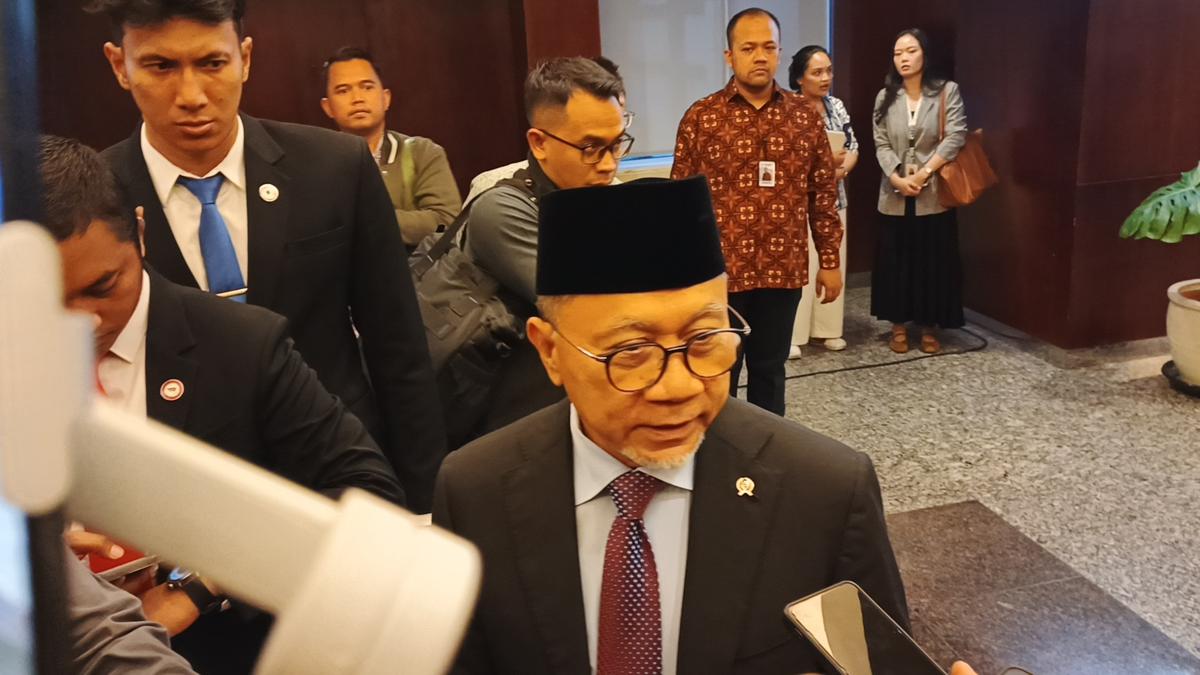
Indonesia is preparing a presidential regulation to support the import of 1 million breeding cattle as part of an effort to expand the national herd and reduce dependence on imported beef. Coordinating Minister for Food Affairs Zulkifli Hasan said the proposed regulation would accelerate livestock development and provide a legal framework for cooperation with supplier countries.
Liputan6 reported that the government is considering European countries and Brazil as potential sources. Zulkifli said securing breeding animals would not be easy, indicating that availability and negotiations with suppliers could affect the program’s implementation. The government has not disclosed a procurement schedule, the breeds sought, the division of volumes among suppliers or the expected cost.
The plan focuses on breeding cattle rather than animals purchased solely for immediate slaughter. Bringing productive females into Indonesia could increase the domestic herd over successive breeding cycles, but the impact on beef availability will depend on reproduction rates, animal health, farm capacity and the time required to raise calves to market weight.
Five-to-six-year self-sufficiency target
President Prabowo Subianto has acknowledged that Indonesia is not yet self-sufficient in beef or buffalo meat. Speaking at the annual session of the People’s Consultative Assembly and a joint session of the national legislature in Jakarta on 14 August 2026, he said the government was seeking technology and partners to increase livestock production. The target is to meet domestic beef and buffalo meat requirements independently within five to six years.
According to Liputan6, Prabowo also raised cloning technology as a possible way to accelerate the expansion of Indonesia’s cattle population. No operational details were provided on the scale, timetable, institutions or breeds that could be involved. The proposal therefore remains separate from the more immediate work on a legal framework for importing breeding stock.
The government says Indonesia has already attained self-sufficiency in eight major food commodities: rice, corn, consumer sugar, chicken meat, chicken eggs, shallots, large chili peppers and bird’s eye chili peppers. Beef and buffalo meat remain outside that group, making herd development one of the outstanding elements of Jakarta’s food policy.
Implications for suppliers and domestic producers
An order involving 1 million breeding cattle would create a significant sourcing and logistics requirement. Exporters would need to supply animals that meet Indonesia’s breeding and animal-health standards, while transport capacity, quarantine procedures and veterinary controls would be central to execution. The proposed presidential regulation is intended to establish the basis for government cooperation with supplying countries, but commercial terms have not yet been announced.
For Indonesian producers, the program could broaden access to breeding stock and support a larger domestic calf crop. Its commercial effect will also depend on how imported animals are distributed, whether farms have sufficient feed and veterinary resources, and how quickly offspring enter the beef supply chain. Until the regulation, supplier agreements and implementation timetable are confirmed, the 1 million-head figure represents a policy objective rather than a completed procurement program.