Indonesia’s palm-oil output rises as biodiesel absorbs 1.13 million tonnes
Indonesia produced 4.823 million tonnes of crude palm oil in June 2026, while domestic biodiesel consumed 1.131 million tonnes. Rising domestic use and exports outweighed the additional supply, leaving national palm-oil stocks lower at the end of June.
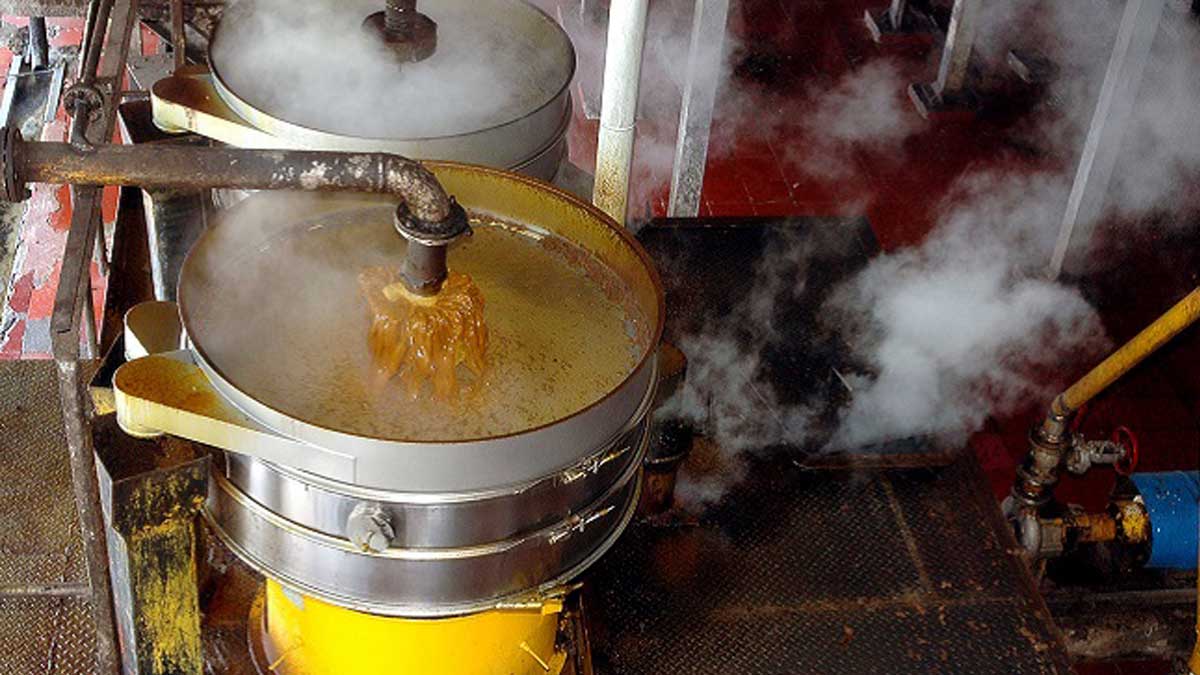
June production moves higher
Indonesia’s palm-oil production increased in June 2026, but stronger domestic consumption and exports prevented the additional output from rebuilding national inventories. Data from the Indonesian Palm Oil Association, known as GAPKI, show that crude palm oil production reached 4.823 million tonnes during the month.
InfoSAWIT Sumatera, reporting GAPKI figures, said June CPO production was 8.59% higher than the 4.165 million tonnes recorded in May. Palm kernel oil production also rose, moving from 387,000 tonnes in May to 449,000 tonnes in June.
GAPKI put combined CPO and PKO production at 5.277 million tonnes in June, compared with 4.552 million tonnes in the preceding month. The monthly improvement extended a strong first half: national palm-oil production reached 30.284 million tonnes between January and June 2026, up 15.82% from 27.889 million tonnes in the corresponding period of 2025.
Biodiesel leads domestic demand
Domestic palm-oil consumption increased alongside production. Total use reached 2.201 million tonnes in June, 5.92% above May’s 2.078 million tonnes. Biodiesel was the largest individual outlet, absorbing 1.131 million tonnes, against 1.035 million tonnes one month earlier.
That means biodiesel accounted for slightly more than half of reported domestic palm-oil consumption in June. For producers and processors, this large policy-linked market provides a substantial local sales channel. For exporters, however, each increase in domestic biodiesel use reduces the volume that can otherwise replenish stocks or be offered to overseas buyers.
Food-sector consumption also increased, from 856,000 tonnes in May to 878,000 tonnes in June. Oleochemical demand rose from 187,000 tonnes to 192,000 tonnes. Together, the three segments show that the expansion was not limited to fuel, although biodiesel contributed most of the month-on-month increase in domestic use.
Stocks fall despite additional supply
During the first six months of 2026, Indonesia consumed 12.994 million tonnes of palm oil domestically. That was 5.48% more than the 12.272 million tonnes used in January-June 2025, confirming that local demand was already running ahead of the previous year before the June increase.
The production gain did not translate into higher inventories. According to GAPKI data cited by InfoSAWIT Sumatera, growth in domestic consumption and CPO and PKO exports exceeded the additional production available during June. Indonesia’s palm-oil stocks consequently declined by the end of the month, although the source did not provide the closing inventory volume or detailed export figures.
The stock movement is important for refiners, traders and international buyers because it indicates that higher output alone did not create a looser market. Indonesia entered the second half of 2026 with first-half production well above the prior-year level, but with biodiesel taking more than 1.1 million tonnes in June and other domestic industries also increasing their purchases. Export availability will therefore depend not only on subsequent production but also on the pace of mandated fuel demand, food processing, oleochemical consumption and inventory management.
Full market analysis