Indonesian palm oil output and exports rise through April 2026, Gapki says
Indonesian palm oil production and exports both increased through April 2026 on strong domestic and international demand, according to Gapki. National stocks tightened over the same period, keeping the global vegetable oil market finely balanced.
Palm oil output and shipments rise as demand stays firm
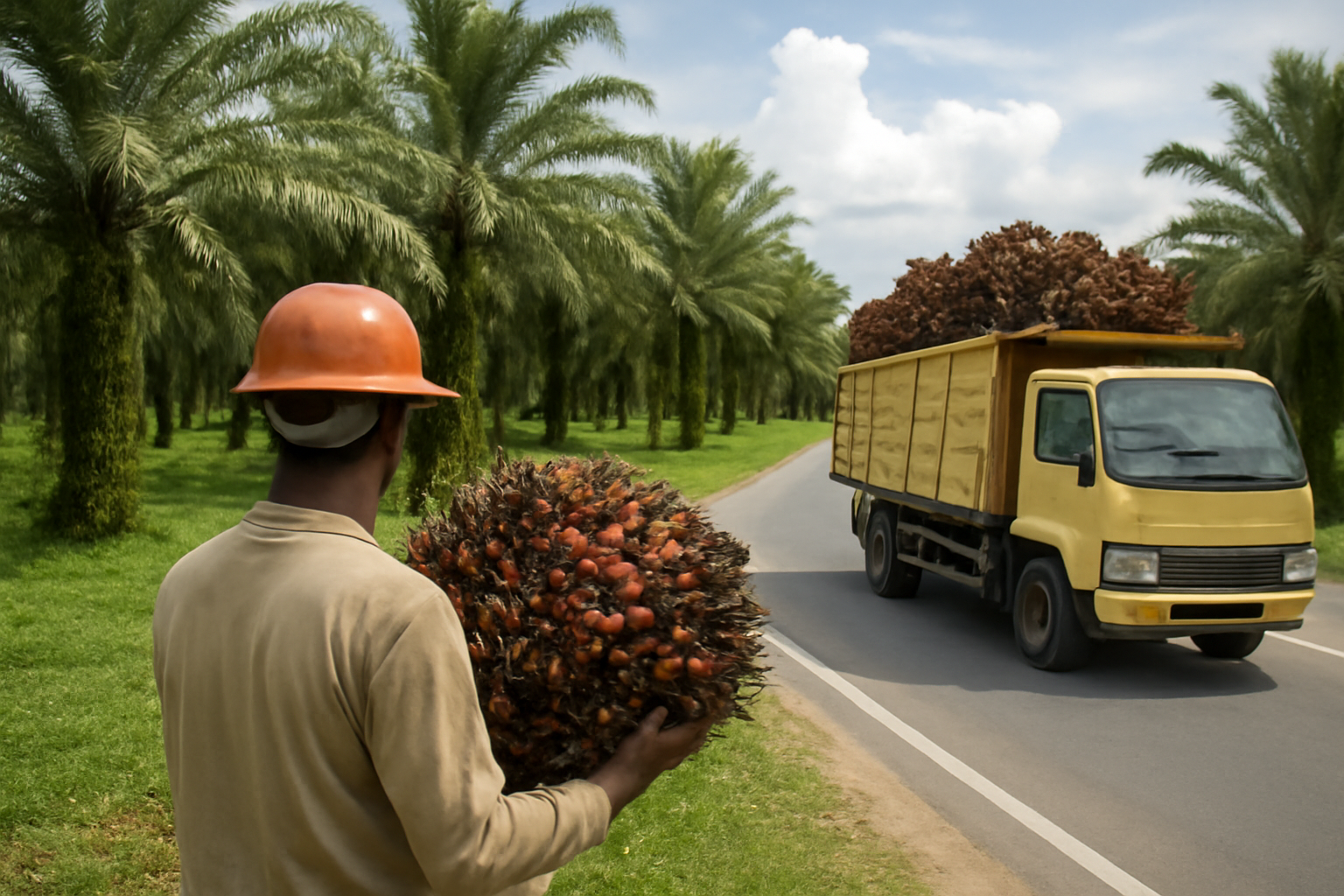
Indonesian palm oil production and exports both climbed through April 2026, according to data published by the Indonesian Palm Oil Association (Gapki). The association said output and shipments were supported by strong demand from the domestic market and from international buyers, even as the country's palm oil stocks drew down over the same period.
Indonesia is the world's largest producer and exporter of palm oil, so shifts in its output and shipment volumes carry weight across the global vegetable oil market. Rising exports from the country typically ease supply pressure for major buyers, while tightening domestic stocks can pull in the opposite direction, keeping the overall balance sensitive to any further change in demand.
Demand on both fronts
Gapki linked the increase to firm demand at home and abroad. Domestic consumption of palm oil spans cooking oil, processed food and biodiesel, where Indonesia's blending program absorbs a large share of production. Export demand reflects palm oil's role as the most widely traded vegetable oil, used in food manufacturing, household cooking and industrial applications across importing regions.
Stocks draw down
The rise in production and exports came alongside a decline in stocks, according to Gapki. Falling inventories indicate that consumption and shipments together outpaced the additional supply, leaving less cushion in the system. For importers, thinner producer stocks reduce the buffer available to absorb any interruption to output or a further pickup in buying, a factor that tends to support prices.
What it means for trade flows
For exporters and importers, higher shipments alongside lower stocks point to an actively balanced market rather than a glut. Buyers dependent on Indonesian supply track Gapki's monthly figures closely, because the country's shipment pace sets the tone for global palm oil availability and pricing. A sustained drawdown in stocks, if it continues, would leave the market with limited slack heading into later months.
Because palm oil competes directly with other vegetable oils, its availability influences pricing well beyond Indonesia. When Indonesian exports rise, buyers gain an alternative to soybean and sunflower oil; when domestic stocks fall, those same buyers face a tighter supply picture. The Gapki data through April 2026 show both dynamics at once — more product moving to market, but less held in reserve.
Indonesia's domestic biodiesel mandate remains a key claim on the country's palm oil, channeling volumes that would otherwise be available for export into transport-fuel supply. The strength of home demand described by Gapki underscores how much of Indonesia's crop is consumed internally before the balance reaches export markets, a point importers weigh when planning purchases. For now, the association's data through April point to a market where supply and demand are moving up together, with stocks the variable to watch.