Indonesia's palm oil exports grow 5.49% in January-July 2026 as minister pushes downstream processing
Exports of Indonesian crude palm oil and derivative products rose 5.49 percent in January-July 2026 against the same period a year earlier, Republika reported. Agriculture Minister Amran used the result to argue for deeper domestic processing of palm output. The report does not break the growth into crude and processed categories.
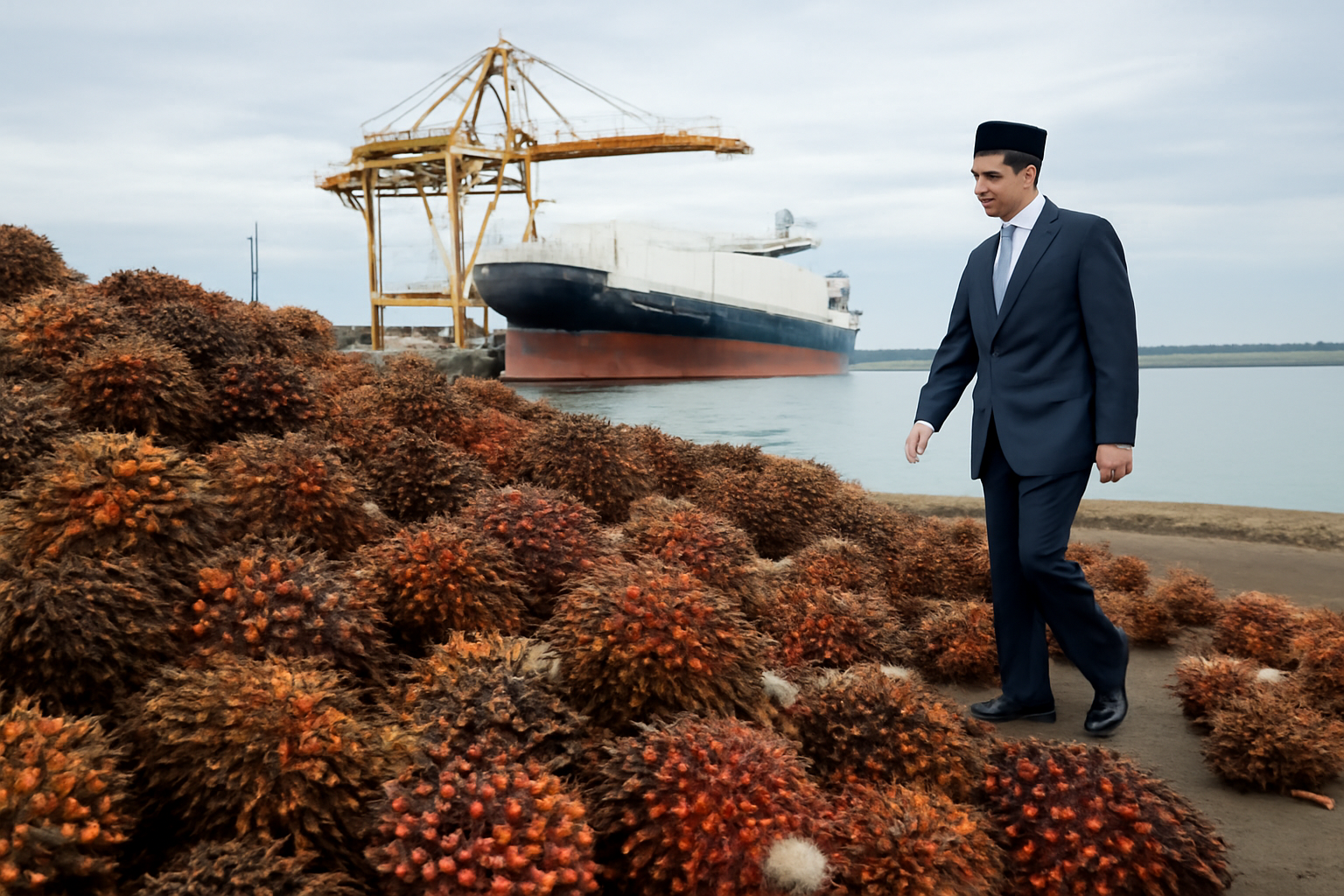
Indonesia's exports of crude palm oil (CPO) and its derivative products grew 5.49 percent in January-July 2026 compared with the same period a year earlier, Republika reported. Agriculture Minister Amran cited the performance in arguing that Indonesian palm oil should move further along the processing chain through hilirisasi, the Indonesian term for downstream industrialisation.
One figure, and what it covers
The 5.49 percent increase is reported as a combined measure for crude palm oil and derivative products, not for crude oil alone. That distinction matters for anyone modelling Indonesian supply. A combined figure can rise because more crude left the country, because more refined and processed goods did, or because the two moved in opposite directions and the processed side was larger.
Republika's account does not separate volume from value, nor does it split the total into crude, refined, oleochemical and fuel categories. Without that breakdown the headline rate describes the direction of the trade but not its structure. The window itself is also partial: oil palm is harvested year round, so seven months of shipments is a reading of the season in progress rather than a closed annual result.
Downstreaming as the stated policy direction
The minister's message, as reported by Republika, is that the sector should upgrade rather than simply ship more. Downstream palm products span refined and fractionated oils, packaged cooking oil, oleochemicals used in soaps, detergents, cosmetics and lubricants, and fuel applications such as biodiesel. Each step away from crude adds a processing margin that is captured inside the producing country instead of abroad.
The commercial logic is straightforward. Crude palm oil is priced against transparent benchmarks and competes largely on cost and freight. Processed goods carry specification, contract and, in consumer categories, brand premiums, and they tie buyers into longer relationships. For Indonesian refiners and oleochemical producers the policy direction points to more feedstock retained at home. For refiners in importing countries it points to competition moving further up the chain, into the part of the business where their own margin sits.
What producers, refiners and buyers should watch
- The split between crude and processed goods inside the reported growth, which determines whether the trade mix is actually shifting or simply expanding.
- Whether the 5.49 percent reflects volume, value or a combination of the two, since price effects and tonnage effects have very different implications for plantations and for buyers.
- The concrete measures that follow the downstreaming push, including any changes to processing capacity, fiscal treatment or allocation of output between food, chemical and fuel uses.
- The response of destination markets, where refiners and food manufacturers have built capacity around imported crude and would need to adapt to a supply base weighted towards finished goods.
For now the data point stands on its own: growth in the mid single digits across the first seven months of the year, delivered by a product group that the government intends to reshape. The direction of policy is clear from the minister's statement; the extent to which the export mix has already moved is not yet visible in the published figure.
Full market analysis