Indonesia targets palm downstreaming with 53 million tonnes of CPO and vast biomass resources
Indonesia produces about 53 million tonnes of crude palm oil annually and has 16.83 million hectares of oil palm plantations. The scale could support further development of palm-based food, industrial products and biomass processing, Kontan reported.
Production scale supports downstream ambitions
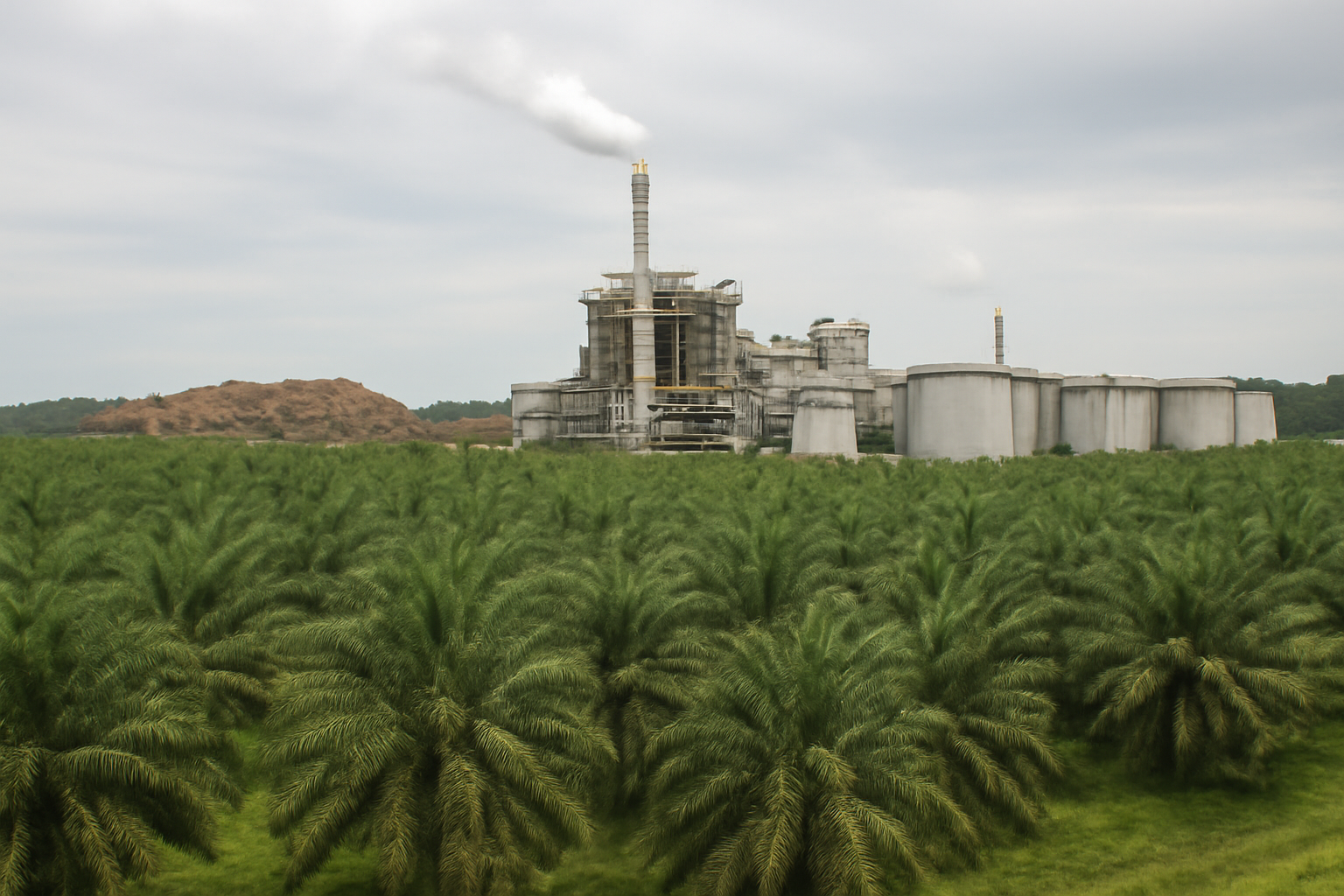
Indonesia is looking to its large crude palm oil industry and extensive plantation biomass resources as the foundation for a broader downstream processing drive. The country produces about 53 million tonnes of crude palm oil, or CPO, annually, according to Kontan. That volume gives processors a substantial raw-material base for expanding palm-derived food and industrial production.
The opportunity extends beyond the oil extracted from fresh fruit bunches. Indonesia has 16.83 million hectares of oil palm plantations, creating what Kontan described as the world’s largest potential source of palm biomass. Turning more of that material into commercial products is being presented as a key step in extracting greater value from the existing plantation system.
Food processing offers room for expansion
The annual CPO output creates scope for developing a wider range of palm-based foods. Downstreaming would move more production beyond the crude-oil stage and into processed ingredients and finished products. For producers and processors, the central issue is how much of the country’s raw-material scale can be converted into higher-value output rather than sold with limited processing.
A larger domestic processing base could also broaden demand for CPO within Indonesia. The effect would depend on the products developed and the capacity added, but the 53-million-tonne supply base gives companies room to pursue multiple food applications. Investors will be watching whether proposed projects translate plantation and refining scale into commercially viable production.
Biomass adds an industrial dimension
Palm plantations generate large quantities of biological material in addition to oil, making biomass an important part of the downstream agenda. The reported 16.83 million hectares provide a wide resource base, but potential alone does not guarantee profitable use. Collection, transport, consistent quality and processing capacity will determine which applications can operate at industrial scale.
For plantation companies, biomass processing could create additional value from material associated with existing operations. For manufacturers, it could provide feedstock for new palm-based industrial chains. The commercial outcome will depend on whether facilities can secure reliable volumes and produce goods that compete on cost and quality.
Execution will determine market impact
Indonesia already has the production scale needed to support a substantial downstream industry. The next stage is to connect CPO and biomass supplies with processing plants, technology and end-market demand. This matters to growers because new outlets can change the value of plantation output, while processors need dependable feedstock and sufficient demand to justify capacity.
The two figures highlighted by Kontan—about 53 million tonnes of annual CPO production and 16.83 million hectares of plantations—show the size of the resource base. They do not establish how much additional processing will be built or which products will lead the expansion. For producers, investors and commodity traders, the key measure will be the volume of commercially competitive output that emerges from the downstream push.