Indonesia moves to stabilise garlic prices as increases spread across 248 regions
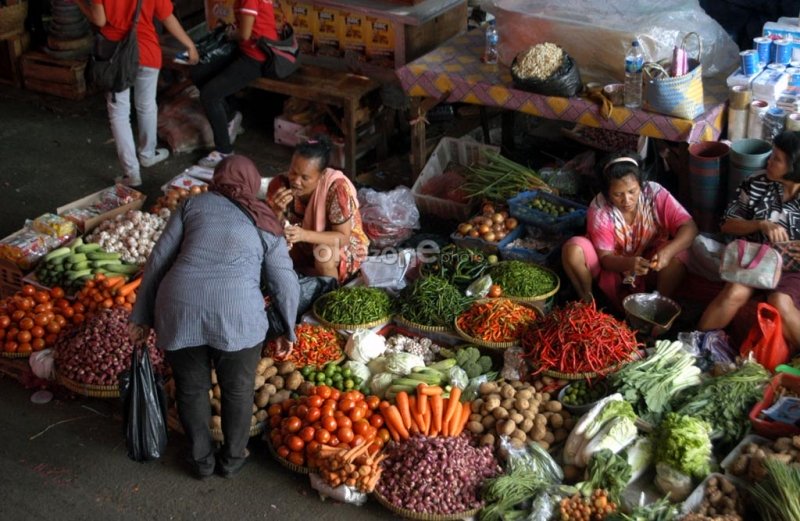
Indonesia’s National Food Agency has ordered targeted supply and distribution measures after garlic prices increased in 248 regencies and cities in July. Supplies at two major wholesale markets were described as stable, although distributors raised concerns about import quota management.
Price pressure eases but remains widespread
Indonesia’s National Food Agency, known as Bapanas, is seeking to stabilise garlic prices after the commodity became a notable contributor to food inflation. The agency has held two coordination meetings covering domestic production, wholesale-market supplies and distribution, according to Ekonomi Okezone.
Statistics Indonesia data showed that garlic prices increased in 248 regencies and cities in July, down from 261 in June. The decline suggests that pressure is easing, but the geographic reach of the increases remains substantial for a market in which supply management directly affects distributors, retailers and consumers.
Wholesale supplies and import quotas under review
The first coordination meeting, led by Indonesia’s deputy national police chief and attended by the Agriculture Ministry’s secretary-general and other government bodies, discussed accelerating domestic garlic production. The objective is to strengthen national availability and reduce the risk of renewed supply pressure.
A second meeting examined supplies and prices at two principal wholesale markets. Bapanas official Brigjen Pol. Hermawan said garlic availability at Kramat Jati Wholesale Market reached 109 tonnes, an increase of 153.49%, while prices were stable at about Rp23,000 per kilogram. At Tanah Tinggi Wholesale Market, prices were relatively stable at approximately Rp29,000 per kilogram.
Distributors nevertheless raised concerns about the administration of import quotas. Hermawan said restricted supplies could reduce distribution capacity and squeeze business margins when price increases cannot be passed on to traders or consumers. The comments indicate that stable quotations at the two wholesale markets do not remove concerns about availability elsewhere or about the continuity of future deliveries.
Targeted intervention and broader food-price risks
Bapanas instructed state-owned food companies to intervene in garlic supply and distribution, particularly in areas where prices remain above the reference level. Regional governments were also urged to tailor measures to local supply conditions. To improve monitoring, authorities must record honan, or bulb garlic, separately from kating garlic because the two varieties have different characteristics and price levels.
The agency is simultaneously monitoring other strategic foods. Harvested dry paddy stood at Rp7,029 per kilogram, 8.14% above the government purchase price, while medium rice at mills reached Rp13,224 per kilogram, 10.20% above the sales reference price. Bird’s eye chilli remained relatively expensive at Rp34,594 per kilogram. Bapanas warned that higher paddy and mill-level rice prices must be watched to prevent pressure from reaching consumers.
Some producer prices are moving in the opposite direction. Shallots were recorded at Rp21,525 per kilogram, live cattle at about Rp56,341 and live broiler chickens at roughly Rp23,486. Producer-level chicken egg prices stood at Rp23,237 per kilogram, 12.31% below the Rp26,500 reference price. Hermawan cautioned that inflation control cannot focus solely on cheap food because prices that are too low can hurt farmers and livestock producers, weaken their production capacity and create supply shortages in a later period.