Indonesia, Malaysia and Thailand align palm oil strategy under IMT-GT
Indonesia, Malaysia and Thailand have finalized the substance of a regional palm oil cooperation memorandum under the IMT-GT framework. The three countries, which collectively account for about 87% of global palm oil production, plan to cooperate on productivity, processing, traceability, research, technology and smallholder support.
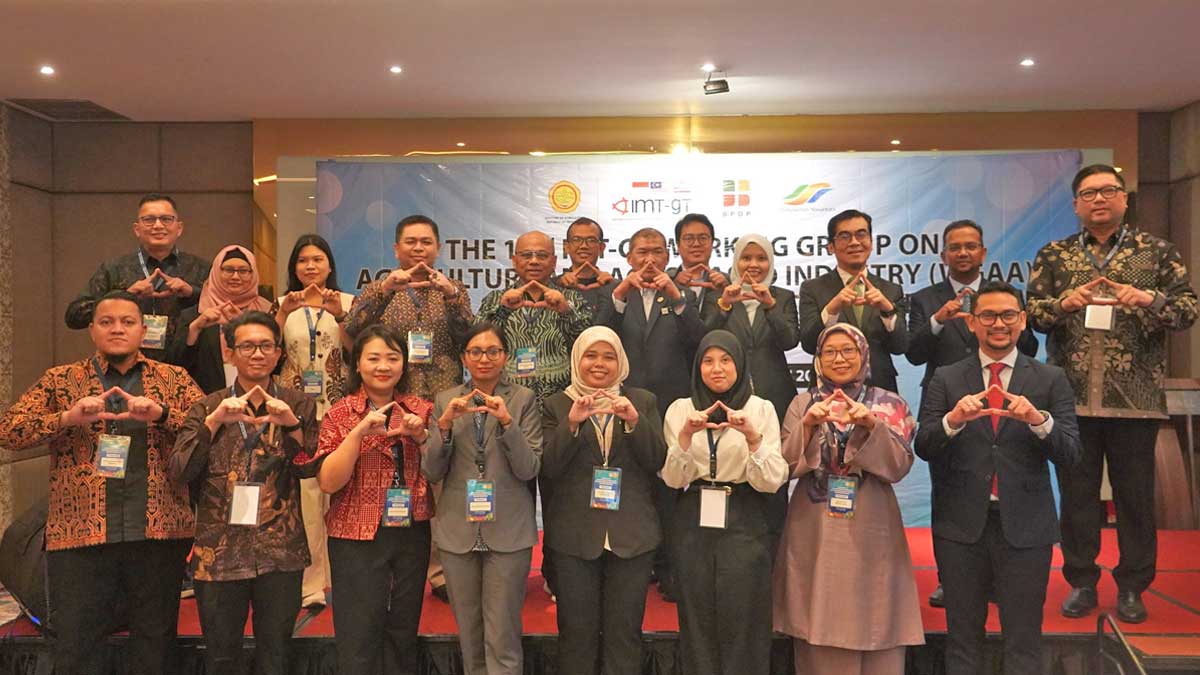
Three producers complete substance of cooperation pact
Indonesia, Malaysia and Thailand have completed the substance of a memorandum of understanding intended to deepen regional cooperation in the palm oil sector, according to InfoSAWIT Sumatera. The agreement emerged from the fourth Project Implementation Team Palm Oil Cooperation meeting in Medan, held as part of the Indonesia-Malaysia-Thailand Growth Triangle Working Group on Agriculture and Agribusiness.
The proposed memorandum will provide a new foundation for strategic palm oil cooperation among the three Southeast Asian producers. The meeting also adopted terms of reference governing future joint programs, including coordination mechanisms, the allocation of responsibilities and cross-border implementation. Delegates proposed signing the memorandum at the 32nd IMT-GT Ministerial Meeting, scheduled for September 2026. A ministerial signing would formalize political support for the initiative and allow the participants to move toward implementation.
Countries representing 87% of production coordinate
The initiative carries weight because Indonesia, Malaysia and Thailand together account for about 87% of global palm oil production, InfoSAWIT Sumatera reported. Coordination among countries with such a large share of supply could strengthen their ability to address common production and market issues. It also gives regional policies on sustainability, processing and traceability potential significance for buyers and processors beyond Southeast Asia.
The agenda covers higher plantation productivity, downstream processing, stronger traceability systems, research, technological innovation and the empowerment of smallholders. Indonesia's delegation was led by acting Director of Plantation Product Downstreaming Hendratmojo Bagus Hudoro, alongside representatives from Malaysia and Thailand. Each delegation emphasized the need to broaden cooperation across these areas as the industry faces increasingly competitive international markets.
Productivity and traceability move to the center
For producers, cooperation on productivity may help address the need to raise output without relying exclusively on plantation expansion. A shared focus on downstream development could also support the production of more processed palm-based goods within the region. For refiners, consumer-goods manufacturers and commodity traders, closer alignment on traceability may affect how supply chains document the origin and handling of palm oil.
The framework does not yet announce binding production targets, common export policies or specific funding commitments. Its immediate importance lies in establishing a formal mechanism through which the three governments can coordinate programs and divide responsibilities. The terms of reference will serve as the operating guide, while the proposed September signing remains the next institutional step.
Smallholder support included in 2027 planning
Smallholders are another central part of the cooperation agenda. The forum welcomed a webinar on oil palm smallholder empowerment held in June 2026, describing it as a useful channel for exchanging experience on farmer capacity. Delegates proposed including the initiative again in the 2027 work program.
Smallholder participation will be important to the practical reach of any common productivity or traceability policy. Farmers must be able to adopt new cultivation methods, supply-chain documentation and technology if regional standards are to apply beyond large plantations. The agreement therefore links market competitiveness with implementation at farm level. If the memorandum is signed as proposed, industry participants will next look for specific programs, timetables and responsibilities showing how the broad commitments will be translated into operational measures.