Indonesia and Malaysia Coordinate Response to Palm Oil Trade Discrimination
Indonesia and Malaysia have agreed to coordinate their response to unilateral measures affecting palm oil and to seek wider recognition of their sustainability standards. The producers plan joint engagement with the European Union and India, while Honduras is expected to become the third member of the CPOPC.
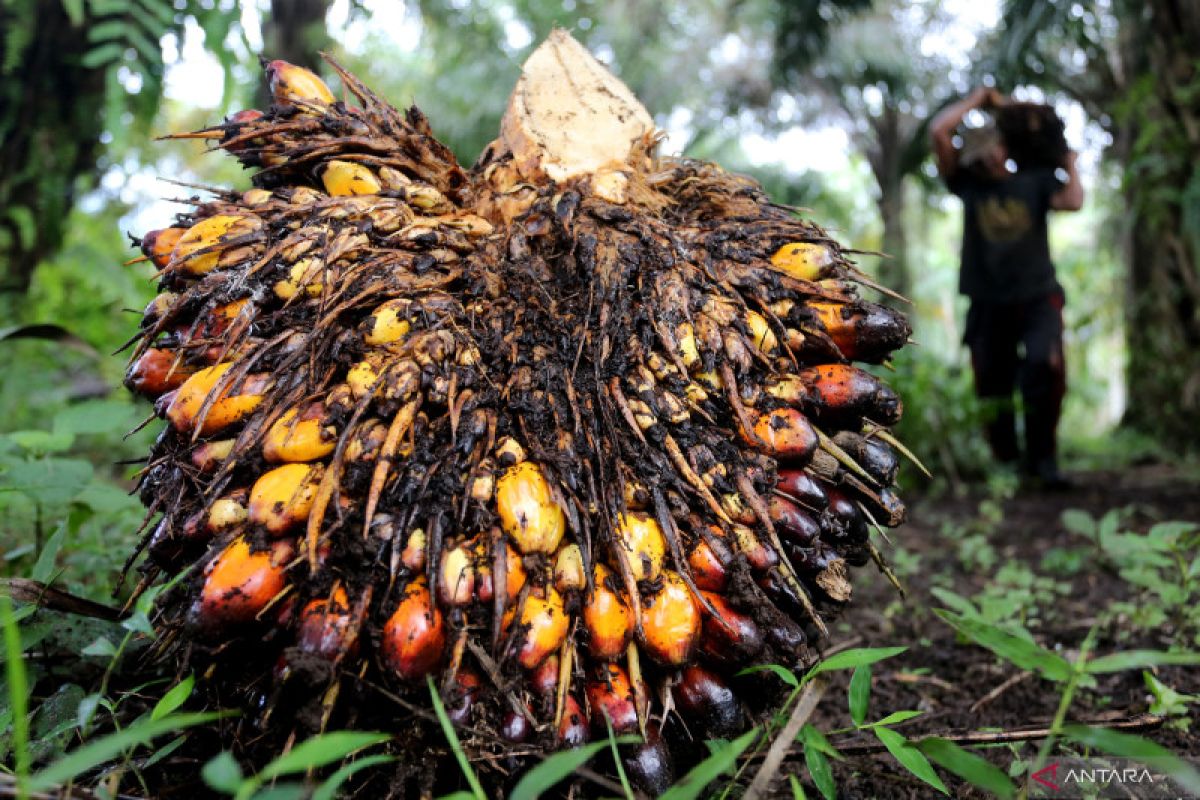
Producers align their trade policy
Indonesia and Malaysia have agreed to strengthen joint efforts against discrimination and unilateral policies affecting palm oil, according to Indonesia’s ANTARA news agency. The agreement followed talks in Jakarta between Indonesian Coordinating Minister for Economic Affairs Airlangga Hartarto and Malaysian Plantations and Commodities Minister Dato Sri Fadillah Yusof.
The two governments discussed urgent issues facing the palm oil industry and proposed a common approach that would allow coordinated action. Their stated objective is to protect the sector while maintaining access to major overseas markets. Indonesia and Malaysia intend to use policy dialogue with leading importing countries rather than address each market measure separately.
Sustainability standards at the center
A central element of the strategy is wider international recognition of the Indonesian Sustainable Palm Oil system, known as ISPO, and Malaysian Sustainable Palm Oil, or MSPO. The countries also plan to promote recognition of these national systems in relation to the Roundtable on Sustainable Palm Oil, the industry framework commonly known as RSPO.
Recognition matters for producers and exporters because sustainability requirements increasingly influence market eligibility. Alignment between national certification systems and frameworks accepted by buyers could reduce uncertainty for companies supplying regulated markets. The initiative also affects smallholders, who are being encouraged to adopt ISPO and MSPO best practices but may face greater difficulty meeting documentation and compliance requirements than large plantation groups.
Joint missions to the EU and India
Indonesia and Malaysia agreed to send a joint mission to the European Union following the EU’s political agreement on its proposal for deforestation-free commodities. ANTARA reported that the mission would explain the producers’ position, seek to prevent unintended consequences for the palm oil sector and explore possible cooperation among the parties involved. Smallholders are expected to join the delegation and present their experience directly.
The Council of Palm Oil Producing Countries, or CPOPC, intends to continue engaging with the EU in pursuit of an outcome acceptable to producing and consuming countries. The talks put smallholder livelihoods alongside environmental protection: Fadillah said the initiative was intended not only to support the plantation industry but also to defend the ability of small farmers to move out of poverty.
After the European mission, Indonesia and Malaysia also plan to visit India to pursue potential opportunities. India has recognized ISPO and MSPO through a joint initiative involving the Indian Palm Oil Sustainability Framework. The discussions also referenced acceptance of the CPOPC Global Framework of Principles for sustainable palm oil.
CPOPC prepares to add Honduras
The two governments also discussed expanding CPOPC membership. Airlangga said they had agreed that Honduras would join as the organization’s third member in the near future. Broader membership would give the producer group a wider geographic base as it seeks to influence international sustainability rules and defend palm oil in importing markets.
Airlangga formally transferred the CPOPC chairmanship to Fadillah, representing Malaysia, for the 2023 term. After their bilateral meeting, officials from both countries joined an industry dialogue with palm oil stakeholders. Smallholders called for CPOPC to take a larger role in making crude palm oil part of poverty-reduction efforts in Indonesia and Malaysia, linking trade policy directly to rural incomes and compliance costs.