Indonesia links Lampung cassava processors to large food-industry supply chains
Indonesia’s Industry Ministry is helping small and medium-sized cassava processors in East Lampung enter larger food-industry supply chains. Lampung produced about 7.9 million tonnes of cassava in 2024, representing roughly 51% of national output.
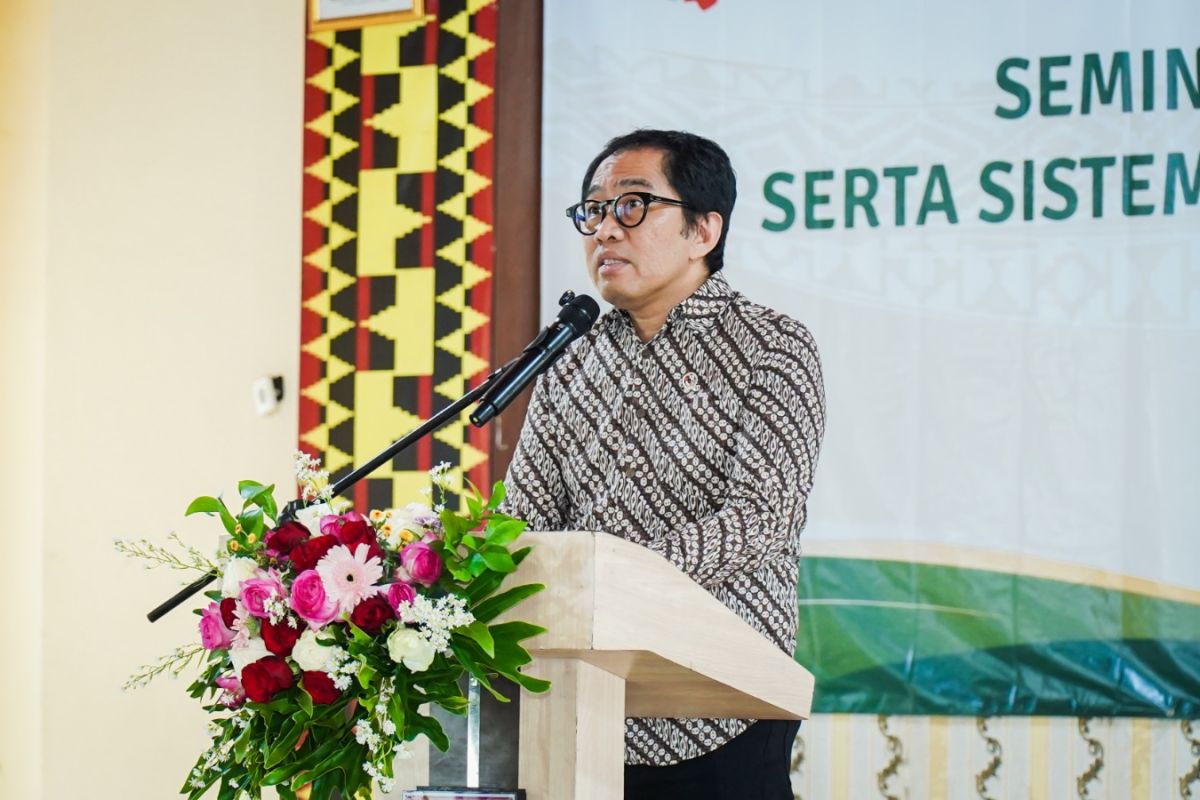
Vendor program targets cassava processors
Indonesia’s Ministry of Industry is seeking to connect small and medium-sized cassava processors with large industrial companies, using East Lampung as a hub for production training, food-safety improvements and supplier development. Deputy Industry Minister Faisol Riza said the initiative is intended to expand market access, raise processing capacity and integrate smaller businesses into the national food-industry supply chain.
According to ANTARA, the work forms part of the Vendor Development Program established under Industry Minister Instruction No. 2 of 2026. The program is designed to open markets for small and medium-sized industries while supporting continuity of national food supplies. The ministry is implementing the initiative through its Directorate General of Small, Medium and Miscellaneous Industries, known as IKMA.
Lampung accounts for half of national output
The choice of Lampung reflects the province’s weight in Indonesia’s cassava sector. Ministry data cited by ANTARA show that Lampung produced about 7.9 million tonnes in 2024, equivalent to roughly 51% of national production. East Lampung is itself the province’s second-largest cassava-producing district, Regent Ela Siti Nuryamah said, making it a logical location for developing processing capacity close to the crop.
The ministry’s seminar and technical-assistance event on 16 July brought together 100 participants, including producers of finished and intermediate cassava products and representatives of farmer groups. Tribun Lampung reported that 30 participants were selected for more focused technical guidance on food-safety standards as part of the product-certification process. Training covered processing technology, good production practices, food-safety systems and the development of more competitive products.
Processors seek outlets beyond raw cassava
The policy aims to reduce reliance on selling cassava as an unprocessed commodity. Potential downstream products identified by the East Lampung government include modified cassava flour, other flour, chips and processed foods. The local administration wants cassava-based products from small businesses included in the catalogue of Indonesia’s National Public Procurement Agency, which could give qualified suppliers access to government demand and a more stable market.
Improved market access is particularly relevant after a period in which farm-gate cassava prices fell to around Rp500–Rp700 per kilogram, according to Tribun Lampung. The publication reported that prices had subsequently begun to recover following coordination among national and provincial authorities and other stakeholders. The wider food and beverage industry provides a growing potential customer base: ANTARA reported that the subsector expanded by 7.04% in the first quarter of 2026 and contributed 7.31% of national GDP, the largest share among non-oil-and-gas manufacturing subsectors. Faisol said sustainable cassava processing would also require stronger upstream productivity, improved seed, land intensification, cultivation technology, financing and research and development.