Indonesia’s Kana Cooperative Partners With China’s Haday on Soy Sauce Production
Koperasi Konsumen Kana and China’s Haday Group plan to combine Indonesian palm-sugar supplies with Chinese manufacturing technology. The partnership includes machinery, technical support and the launch of Ombak sweet soy sauce for Indonesia’s domestic market.
Indonesian supply meets Chinese manufacturing
Indonesia’s Koperasi Konsumen Kana has entered a strategic partnership with China’s Foshan Haitian Flavouring & Food Co., Ltd., known as Haday Group, to develop soy sauce production using Indonesian raw materials and Chinese manufacturing technology. The agreement brings together Kana’s access to palm sugar and Haday’s experience in large-scale condiment production.
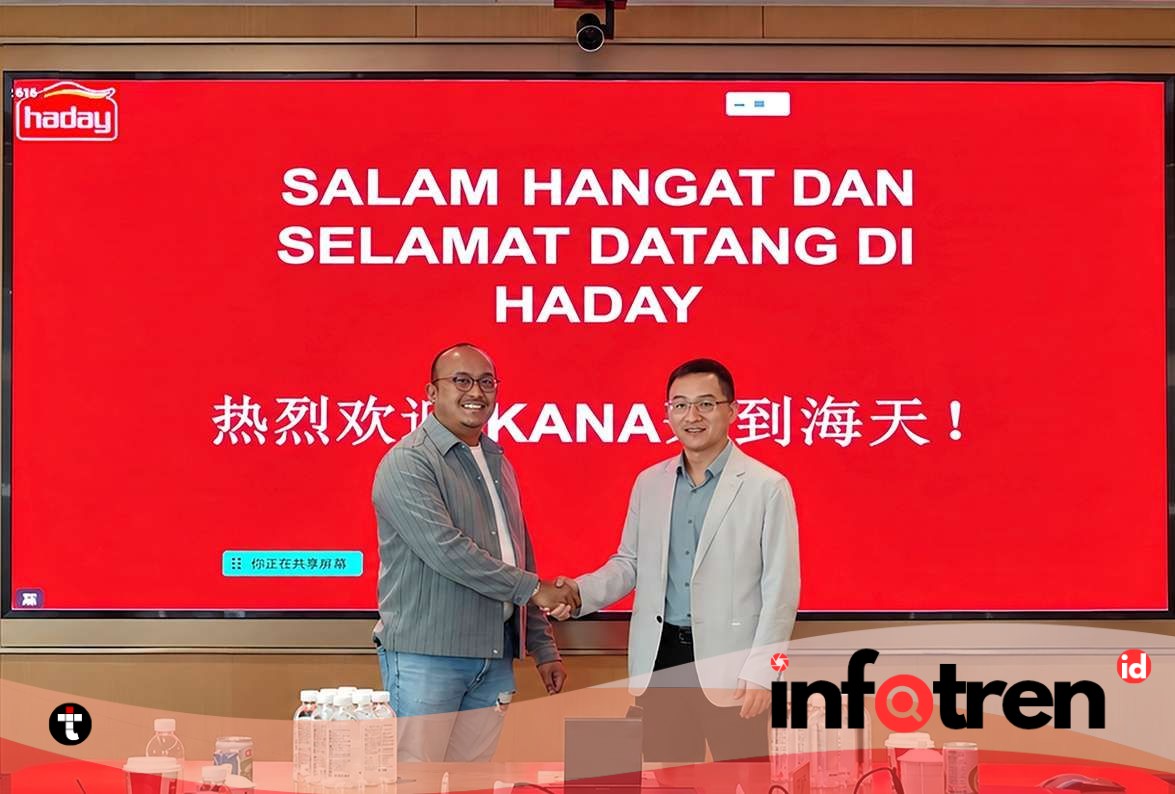
Infotren reported that the partnership was agreed during a meeting between Kana Group President Commissioner Jonathan Danang Wardhana and Haday Group Executive Director Jianghua Guan in Foshan, Guangdong, China, on 28 September 2026. The companies have not disclosed investment value, planned production capacity, the location of any production facilities or a timetable for commercial-scale manufacturing.
Under the arrangement, Koperasi Kana will supply palm sugar through its business unit PT Indogula Jayabaya. The ingredient is intended for use as a principal input in sweet soy sauce, a major condiment category in Indonesia. Haday Group will provide production machinery, technical assistance and manufacturing knowledge that the Chinese company says is based on more than 400 years of accumulated experience.
Ombak brand targets Indonesia’s domestic market
The first identified commercial product from the partnership is a sweet soy sauce sold under the Ombak brand. According to Infotren, the product will combine Haday’s manufacturing standards with domestic market management by Koperasi Kana. No retail price, package format or initial sales target was announced.
Distribution is expected to use the Koperasi Desa Merah Putih network. The partners say this channel can extend the product’s reach into villages and other areas outside Indonesia’s largest urban markets while supporting competitive pricing. The approach gives the cooperative a direct role not only in supplying ingredients but also in managing market access and last-mile distribution.
For Kana, the agreement provides access to machinery and production practices from an established Chinese condiment producer without separating the project from Indonesia’s local raw-material base. Jonathan Danang Wardhana said Haday’s experience, technology and capacity could support the development of Kana’s soy sauce business, while PT Indogula Jayabaya could provide the raw material required by the manufacturer.
Partnership could broaden Haday’s Indonesian presence
Haday Group is described by Infotren as the world’s largest soy sauce producer by sales volume. The cooperation offers the company an additional source of palm sugar and a route to strengthen its presence in Indonesia through a local partner with access to cooperative distribution channels.
The project also connects two different parts of the food value chain. Indonesian palm sugar will enter a standardized manufacturing process supported by Haday, while Kana will oversee the domestic positioning and distribution of the finished condiment. For palm-sugar suppliers, the project could create an industrial sales channel beyond direct retail and traditional food production, although the absence of procurement volumes makes its potential scale impossible to assess.
The commercial impact will depend on execution details that remain undisclosed, including factory location, sourcing commitments, quality specifications and production volume. For Indonesian condiment producers and distributors, the key issue will be whether Ombak can translate Haday’s technical support and Kana’s cooperative network into consistent quality, competitive pricing and reliable availability across a geographically dispersed market.