Indonesia's industrial salt imports rise again in early 2026, threatening local absorption
Industrial salt import volumes into Indonesia rose again in early 2026, reviving concern that inbound shipments are crowding out domestically produced salt. According to investor.id, the government has been urged to re-examine the additional import quota.
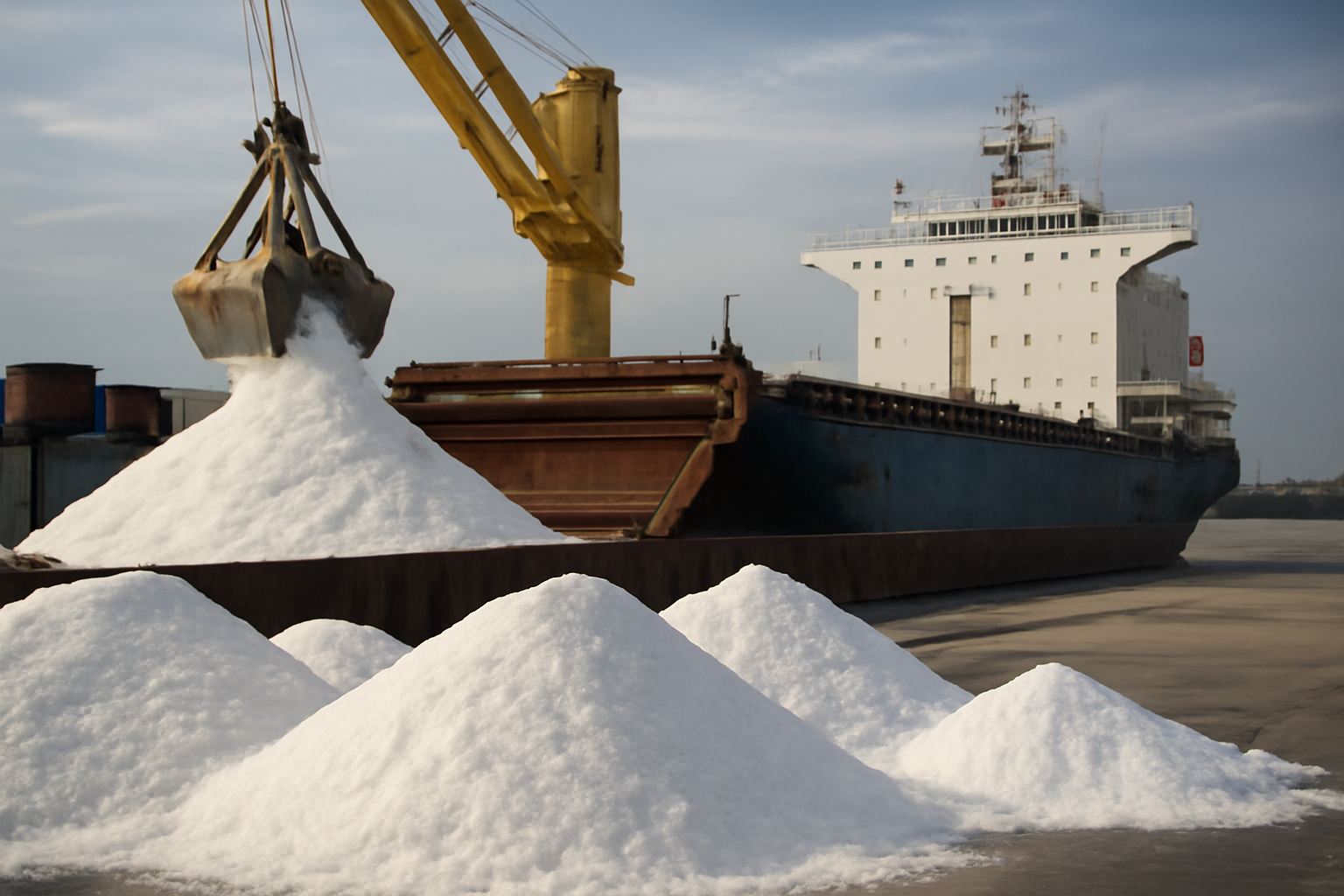
Indonesia is again wrestling with its industrial salt trade after import volumes rose in the opening months of 2026, reviving a recurring dispute between importers and domestic salt producers. According to investor.id, the government has been urged to re-examine the additional quota granted for industrial salt imports, amid concern that the higher inbound flows are eroding the market for locally produced salt.
Imports rise again in early 2026
investor.id reports that the realization of industrial salt imports increased once more in early 2026, with the additional volumes cleared under the quota adding to available supply. Industrial salt — the higher-purity grade used by chemical plants, chlor-alkali producers, food processors and other manufacturers — is a segment where Indonesia leans heavily on foreign supply, because much domestic output does not meet the purity specifications industrial buyers require.
The renewed increase puts the spotlight back on the quota mechanism the government uses to balance the needs of industrial buyers against the interests of domestic salt farmers. Each additional tranche of imports expands the pool of salt competing for the same industrial demand.
Local absorption under threat
The central worry flagged by investor.id is that the extra imports risk squeezing the absorption of domestically produced salt. When imported industrial salt arrives in larger quantities, it can displace local product that might otherwise be taken up by processors, leaving domestic producers with unsold stock and weaker bargaining power on price.
For Indonesia's salt farmers, absorption is the decisive issue. Their output must find buyers to keep the domestic supply chain moving; if imported volumes crowd the market, locally harvested salt can accumulate, pushing farm-gate prices down and discouraging future production.
Pressure to review the quota
In response, the government has been asked to reassess the additional import quota for industrial salt. Reviewing the quota would mean weighing how much imported salt the domestic market genuinely needs against how much local production can supply, and adjusting authorized volumes accordingly.
Without a clear read on how much domestic salt can realistically meet industrial specifications, any cut to the quota risks leaving processors short, while leaving it unchanged risks stranding local harvests. investor.id's report signals that early-2026 import figures have again tipped that balance toward review.
What it means for the trade
Industrial salt feeds directly into Indonesia's chemical and processing industries, so the terms of its import touch a wide span of downstream production, from caustic soda and chlorine to processed food and pharmaceuticals. That breadth is why the quota decision carries weight beyond the salt sector itself.
For importers and their overseas suppliers, the key risk is regulatory: a tighter or re-examined quota could curb the volumes cleared later in the year. For domestic producers, the outcome will determine whether more of their salt is absorbed by industry. And for manufacturers that depend on consistent, high-purity salt, any move to restrict imports raises the question of whether local supply can match the specifications and quantities their processes demand.