Indonesian garlic hits Rp100,000/kg as weak rupiah and China's import grip drive prices to record highs
Statistics Indonesia (BPS) says garlic prices rose in 269 districts, reaching Rp100,000 per kilogram in the worst-hit areas by mid-July 2026. The surge stems from a weaker rupiah and higher freight costs after the Strait of Hormuz closure, not from a shortage — imports rose 28.44% to 229,760 tonnes, with China supplying 98% of the flow.
Garlic prices climb across three-quarters of Indonesia
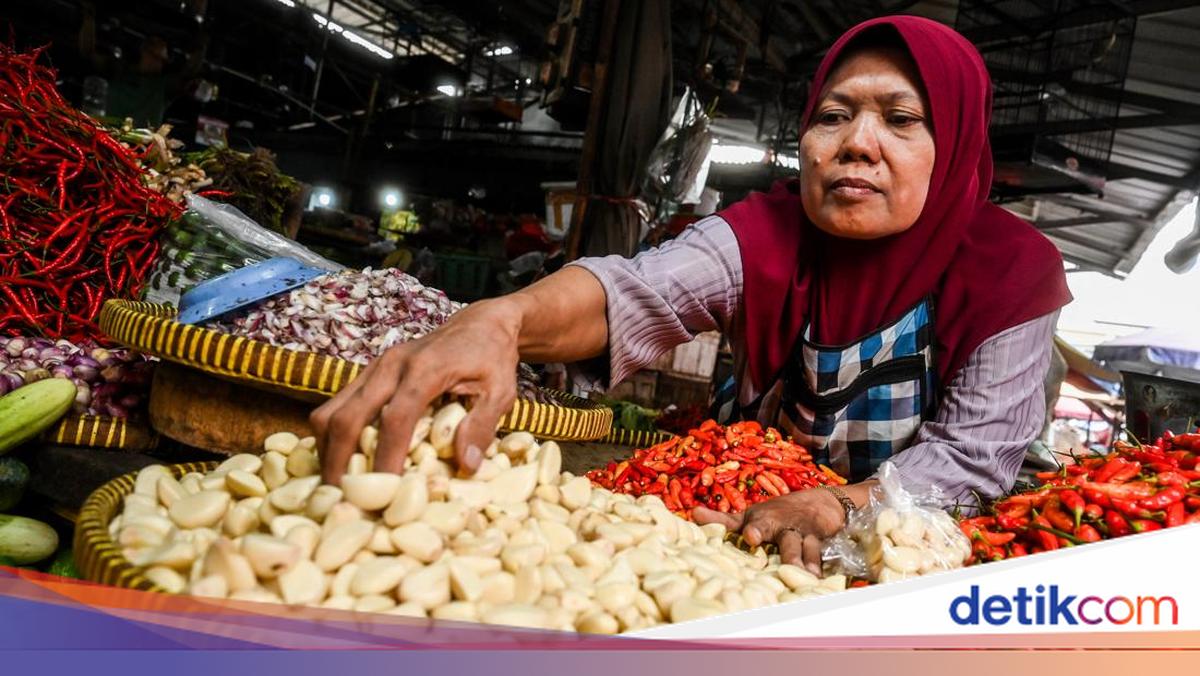
Indonesia's Central Statistics Agency (BPS) has flagged garlic as the food commodity with the most widespread price increases in the country. According to Detik Finance, retail prices rose in 269 districts and cities — about 74.72% of Indonesian regions — up to the second week of July 2026, and in several areas the price broke through Rp100,000 per kilogram.
BPS head Amalia Adininggar Widyasanti said the national average garlic price now stands at Rp42,611 per kilogram, well above the government's consumer reference price (HAP). The highest reading was recorded in Papua Pegunungan at up to Rp100,000 per kilogram. "Garlic needs serious attention because 269 districts and cities have already seen price increases," she told a regional inflation-control coordination meeting on Monday.
Where prices are highest
Amalia named several districts where garlic trades far above the reference price:
- Aceh Selatan: Rp50,000/kg, an IPH change of 36.38% and 31.6% above HAP.
- Gorontalo Utara: Rp50,000/kg, an IPH change of 20.98% and 31.58% above HAP.
- Deiyai, Papua Tengah: Rp79,000/kg, 107.89% above HAP.
A cost problem, not a supply shortage
The increase is not caused by scarce imports. BPS data show import volumes rose: over January–June 2026 Indonesia imported 229,760 tonnes of garlic, up 28.44% from the same period a year earlier. Ekonomi Bisnis reports that China supplied 98.31% of Indonesia's garlic imports over January–May 2026. Amalia attributed the price surge to a weakening rupiah against the US dollar and rising international logistics costs, which made imported garlic relatively more expensive, particularly in June 2026.
Strait of Hormuz raises freight
Nawandaru, Director of Domestic Market Development at the Ministry of Trade, said international logistics costs jumped after the closure in the Strait of Hormuz. "After the Strait of Hormuz crisis, China-flagged vessels were in demand from many countries. This is one of the triggers of higher logistics or distribution costs from the producer country, China, to Indonesia," he said. The ministry is now coordinating with the Directorate General of Foreign Trade to push importers to dock garlic-carrying vessels directly at main ports in eastern Indonesia, aiming to cut distribution costs and ease prices in the eastern regions that have seen the sharpest increases.