Indonesia’s garlic imports reach 229,760 tonnes in H1 2026, with 98% supplied by China
Indonesia imported 229,760 tonnes of garlic from January through June 2026, up from 178,890 tonnes a year earlier. China supplied 98% of the volume, while India accounted for the remainder, according to Statistics Indonesia data reported by detikFinance.
First-half imports rise from a year earlier
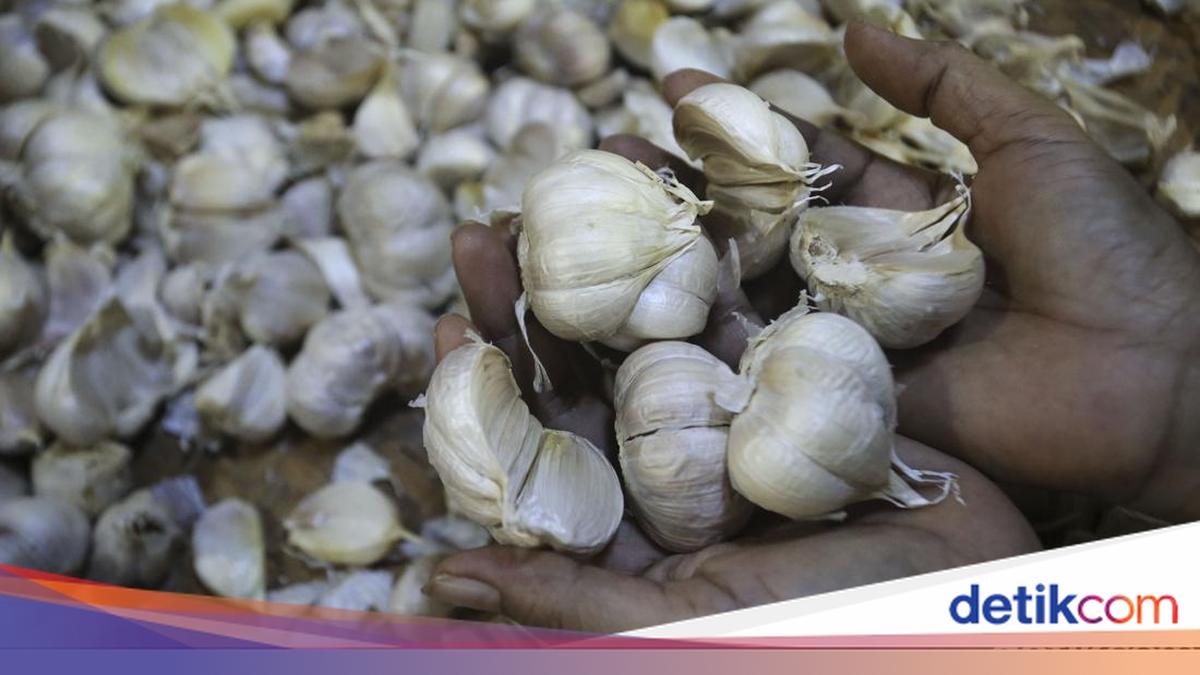
Indonesia imported 229,760 tonnes of garlic between January and June 2026, according to Statistics Indonesia, known as BPS. The volume was higher than the 178,890 tonnes recorded in the same period of 2025, indicating a substantial increase in imported supply during the first half of the year.
China accounted for 98% of Indonesia’s garlic imports during the period, while the remaining volume came from India. The figures, reported by detikFinance, underline the dominant role of Chinese suppliers in meeting demand in Southeast Asia’s largest economy.
BPS head Amalia Adininggar Widyasanti discussed the data during an online coordination meeting on regional inflation control on August 10, 2026. She said imports had reached almost 230,000 tonnes in the first semester and that the resulting availability of garlic should be adequate.
Average price declines but remains above benchmark
The additional imported supply has started to affect the domestic market. According to Widyasanti, Indonesia’s national average garlic price was declining but remained above the government’s consumer-level reference purchase price, known as HAP.
The national average stood at Rp 39,924 per kilogram, compared with the HAP of Rp 38,000 per kilogram. The gap shows that larger import volumes have eased price pressure without yet bringing the nationwide average down to the official benchmark.
The geographical spread of price increases has narrowed considerably. BPS said only 50 regencies and cities were still recording an increase in the garlic Price Change Index, compared with 248 regencies and cities previously. Widyasanti described the commodity’s overall position as relatively well controlled.
Regional prices remain uneven
Despite the improving national picture, several local markets continued to require attention. Garlic in Tanah Datar Regency was priced at Rp 40,000 per kilogram, which BPS said was 5.26% above the reference price.
Prices were substantially higher in more distant markets. Garlic cost Rp 50,000 per kilogram in Kapuas Hulu and Rp 63,750 per kilogram in South Manokwari Regency. These differences show that adequate national availability does not produce uniform consumer prices across Indonesia’s widely dispersed regions.
For importers and distributors, the data point to a market with ample aggregate supply but continuing regional imbalances. China’s 98% share also leaves Indonesian availability closely tied to one foreign origin. India provides the only other supply source identified by BPS, but its share remains small. Price developments will therefore depend not only on total import arrivals but also on how efficiently stocks reach markets where prices remain well above the national reference level.