PTPN Group targets 24,000 hectares of garlic to reduce Indonesia’s import dependence
PTPN Group plans to develop 24,000 hectares of garlic cultivation between 2026 and 2029. Indonesia currently produces only 40,000 tonnes against annual demand of roughly 600,000 tonnes, leaving most of the market dependent on imported supply.
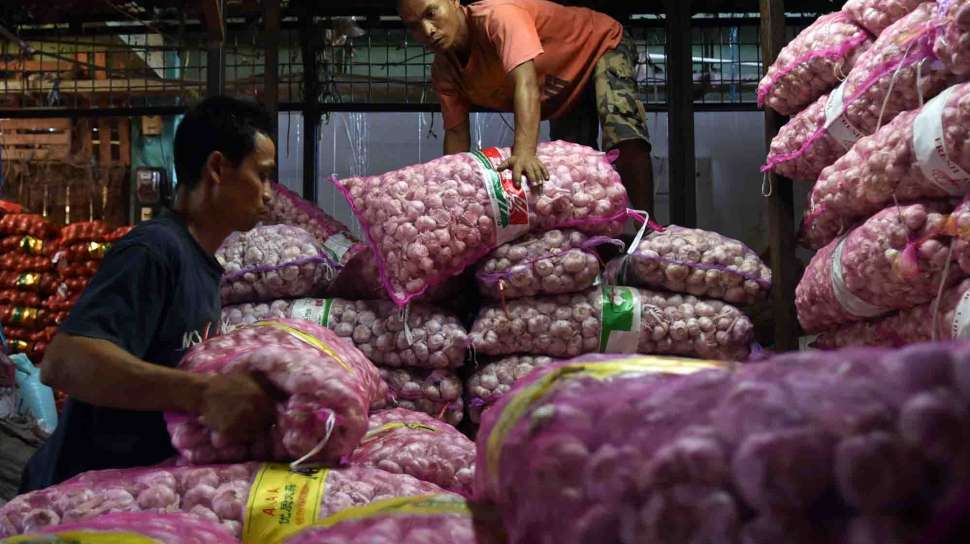
PTPN Group sets 24,000-hectare target
PTPN Group plans to develop 24,000 hectares of garlic cultivation in Indonesia during the 2026-2029 period, according to Suara.com. The initiative is intended to narrow the country’s large supply deficit and reduce its dependence on imported garlic.
The land target is substantial when measured against Indonesia’s current production base. However, the available information does not specify expected yields, annual output from the new areas, investment requirements or the regions where cultivation will be expanded. Those details will determine how much of the existing deficit the programme can realistically replace.
Domestic output covers only a small share of demand
Indonesia produces only 40,000 tonnes of garlic while domestic demand reaches approximately 600,000 tonnes, Suara.com reported. The figures imply a gap of about 560,000 tonnes and mean that local production currently covers roughly 6.7% of national requirements.
This imbalance leaves Indonesian buyers heavily exposed to overseas supply. For domestic growers, the size of the gap provides clear room to expand production. For importers, processors and distributors, the practical impact will depend on how quickly new acreage enters production and whether locally grown garlic can compete consistently on price, quality and availability.
Execution and productivity will determine the result
A hectare target alone does not establish how much garlic will reach the market. Production will depend on yields, planting schedules, seed availability, suitable land, cultivation methods and the ability to move the crop through storage and distribution channels. The source material provides no yield assumptions, so the eventual tonnage cannot yet be calculated.
The 2026-2029 timetable gives PTPN Group a defined expansion window, but the starting scale and annual planting milestones have not been disclosed. Market participants will therefore need to track the area actually planted, harvested output and the share of demand replaced by domestic supply. Until those indicators become available, imports are likely to remain essential for covering the difference between Indonesia’s 40,000 tonnes of production and its roughly 600,000 tonnes of demand.