Indonesia flags broad chicken price rises as beef exceeds reference level
Chicken meat prices rose across 188 Indonesian regencies and cities in early August 2026, according to BPS. The national beef average reached Rp 143,137 per kilogram, while checks in South Jakarta found retail prices as high as Rp 150,000.
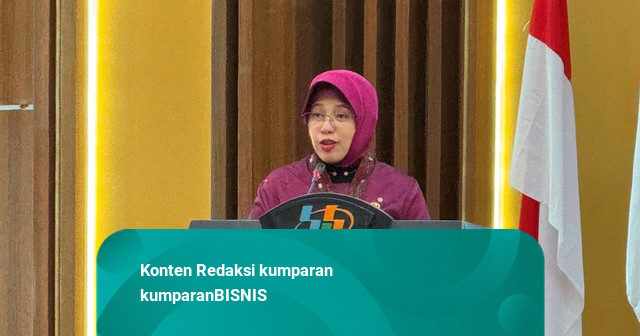
Chicken price increases spread across 188 regions
Indonesia's Central Statistics Agency, known as BPS, has identified chicken and beef as priority food commodities after prices increased in several parts of the country in early August 2026. BPS chief Amalia Adininggar Widyasanti said the two protein sources required attention in regions recording increases in the Price Development Index, or IPH.
According to Kumparan, the national average price of broiler chicken meat stood at Rp 39,712 per kilogram. That remained slightly below the government's reference purchase price, known as HAP, but BPS said the pace of the increase was rapid. Chicken contributed to higher IPH readings in 188 regencies and cities, showing that the pressure was geographically widespread even though the national average had not crossed the reference threshold.
The sharpest local movements were considerably larger. South Bangka Regency recorded a 34.58% change in the chicken meat IPH. In Binjai, the increase reached 29.78%, and the local price was already 5% above HAP. The different local causes underline the role of short-term supply and demand conditions. In South Bangka, poor weather disrupted fishing and encouraged consumers to switch to chicken. In Binjai, demand rose after Nutrition Fulfilment Service Units resumed operations following the school holiday.
Beef moves above the government reference range
BPS also highlighted beef, whose national average price reached Rp 143,137 per kilogram in the first week of August 2026, according to Kumparan. The agency said that level was well above the HAP range. Some of the strongest pressure was observed in Kubu Raya and Melawi regencies, where selling prices were between the low double digits and tens of percent above the reference level.
A separate market check by Liputan6 on 10 August showed that beef remained expensive at Kebayoran Lama traditional market in South Jakarta. One trader offered beef at around Rp 150,000 per kilogram and said the price had remained high since Eid al-Adha. Another charged Rp 138,000–140,000 per kilogram because consumers could not absorb a price of Rp 150,000. He said elevated beef prices had persisted since Eid al-Fitr.
Chicken was also becoming more expensive in that market. A poultry trader told Liputan6 that prices had been rising for 10 days. Chicken breast sold for Rp 55,000 per kilogram, thighs for Rp 50,000 and feet for Rp 30,000. These retail quotations are specific to the market and cut, while the BPS figure represents a national average.
Other foods show a mixed price pattern
The broader picture was not uniformly inflationary. BPS recorded declining overall IPH readings in 161 regencies and cities, compared with increases in 65. At Kebayoran Lama, egg prices fell from Rp 28,000 per kilogram in the previous week to Rp 25,000. Premium rice remained at Rp 17,000 per kilogram, medium rice at about Rp 14,000 and lower-quality rice at Rp 13,000. Cooking oil held at Rp 21,000 per litre and sugar at Rp 19,000 per kilogram.
Peanuts were an exception, rising from Rp 38,000 to Rp 45,000 per kilogram. A local staples trader could not identify the precise cause but suggested a possible connection to overseas suppliers. BPS urged affected local governments to intervene in markets to slow the rise in chicken and beef prices. For meat producers, distributors and retailers, the regional variation means that supply availability and local demand will remain as important as the national average when assessing near-term market conditions.