Indonesia Plans Three-Part Coffee Export Push as World Prices Rise
Indonesia's foreign ministry has set out a three-part plan to boost coffee exports as world prices climb, according to rm.id. It rests on replanting, a digital passport for the crop, and opening new export markets.
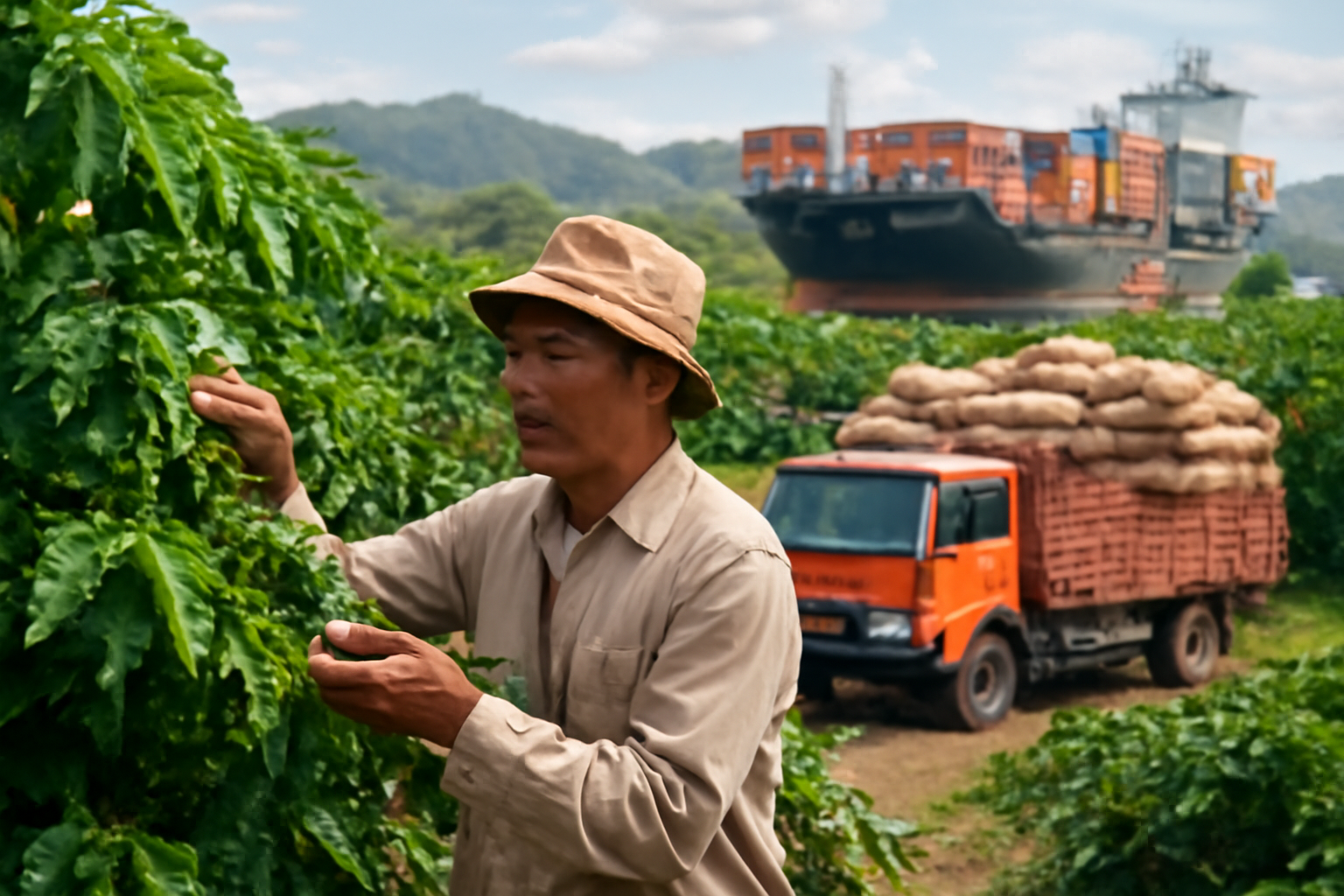
Indonesia's Ministry of Foreign Affairs has outlined a three-part plan to lift the country's coffee exports as world prices climb, the news outlet rm.id reports. The strategy rests on three pillars: replanting coffee gardens, introducing a digital passport for the crop, and opening new export markets.
A response to rising world prices
The move comes as global coffee prices trend higher. For a producing nation, stronger prices raise the value of every bag shipped, but they also intensify competition among origins to supply buyers. According to rm.id, the foreign ministry frames its plan as a way to make sure Indonesian growers and exporters capture the upside rather than watch it accrue to rival suppliers.
The three-pronged design targets both the supply base at home and the demand side abroad. Replanting addresses productivity at the farm level, the digital passport addresses the paperwork and trust that buyers increasingly demand, and the search for new markets addresses where the beans ultimately land.
Replanting the coffee gardens
Replanting — replantasi in the ministry's wording — targets the age and condition of Indonesia's coffee trees. Older, less productive stock limits how much a farm can yield each season. Renewing plantings is a slow lever: new trees take years to reach full bearing, so the payoff from a replanting drive shows up over several harvests rather than in a single season. For exporters, the aim is a larger and more reliable volume of beans to sell once global demand and prices are favorable.
A digital passport for the crop
The second pillar is a digital passport for coffee. Traceability has become a condition of access to several major import markets, where buyers and regulators want to know where beans were grown and how they moved through the chain. A digital record that follows the crop can help Indonesian coffee clear those requirements and command the trust — and often the price premium — attached to verified origin. rm.id lists the passport among the ministry's core measures.
Opening new markets
The third pillar is market diversification. Leaning on a narrow set of buyers leaves exporters exposed if demand in any one of them softens. Adding destinations spreads that risk and gives Indonesian shippers more room to redirect volume toward wherever prices are strongest. The foreign ministry's involvement signals that the push will run partly through diplomatic and trade channels rather than being left to private exporters alone.
What it means for the trade
For importers, a coordinated Indonesian export drive points to steadier supply and clearer origin data over time, though the replanting element will take years to feed through to volumes. For exporters and analysts, the plan is a signal that one of the world's notable coffee origins intends to compete harder for share while prices are high. rm.id reports the three strategies as the ministry's answer to the current price environment; it does not detail timelines or budgets, so the pace of implementation remains to be seen.