Indonesia’s export cocoa sector prepares for broader sustainability demands
Indonesian cocoa suppliers expect sustainability and traceability requirements to spread beyond the European Union. With almost all domestic cocoa production serving export demand, changes in buyer standards could affect the industry broadly.
Sustainability requirements move beyond Europe
Indonesia’s cocoa industry is preparing for sustainability requirements to extend beyond the European Union as other major consuming countries gradually seek comparable assurances. Investor.id reported that sustainable cocoa should no longer be viewed solely as a requirement for access to the EU market.
The shift matters because almost all cocoa produced in Indonesia is intended to meet export demand, according to the publication. Standards adopted by overseas buyers can therefore influence a large share of the country’s cocoa supply chain, from farms and local collectors to processors and exporters.
Traceability becomes a broader market condition
Suppliers that treat traceability as a requirement for only one destination may face repeated adjustments as sustainability expectations spread. A system designed around individual markets can create different documentation procedures for different buyers, while a common approach could allow exporters to serve several destinations with the same underlying production records.
For producers and processors, the practical issue is the ability to show where cocoa originated and whether it meets the sustainability assurances requested by customers. The source material does not specify a timetable, a list of additional countries or the exact standards likely to be introduced. It nevertheless indicates that Indonesian industry participants expect demand for such evidence to broaden among global cocoa consumers.
Export dependence raises the stakes
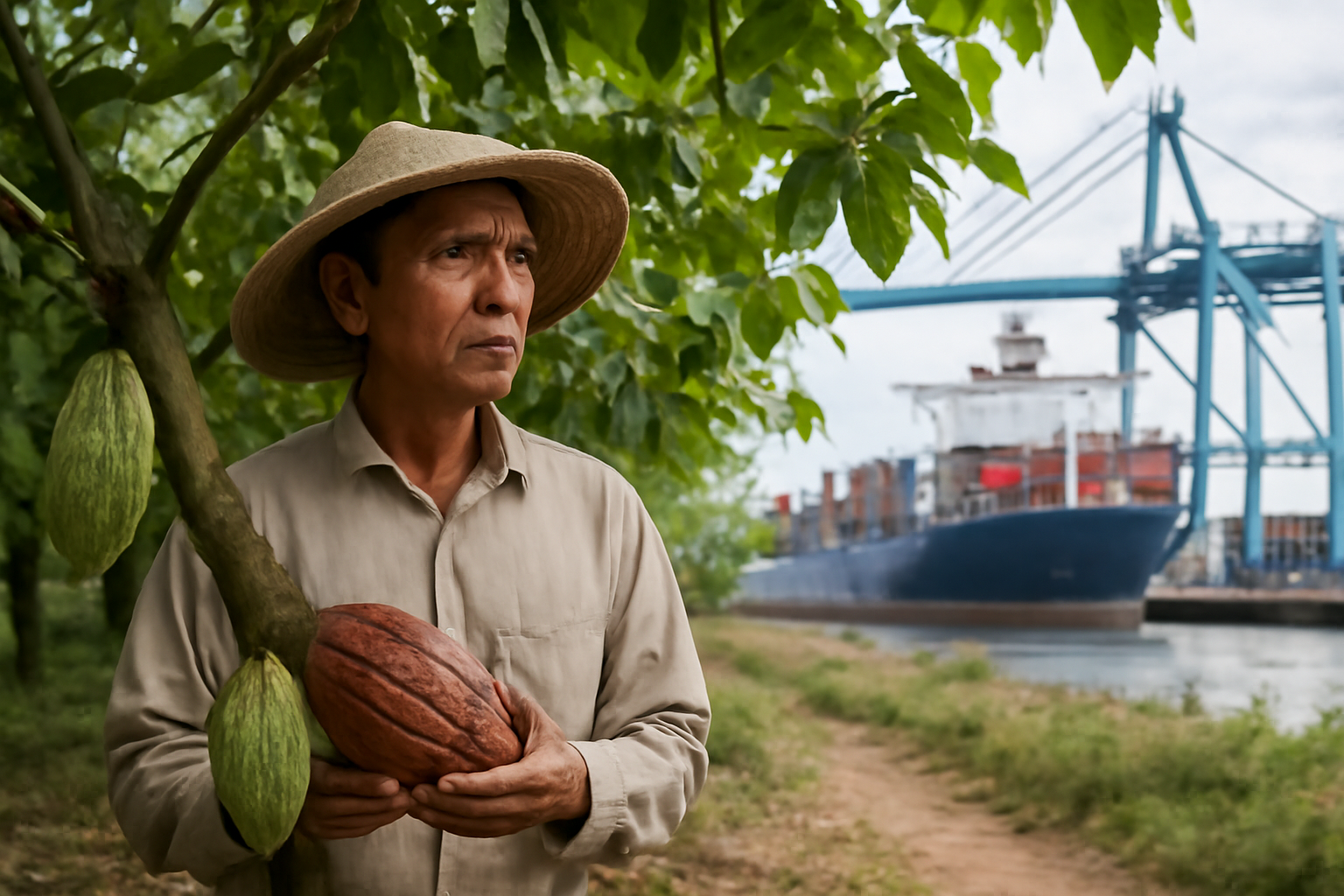
Indonesia’s exposure is not limited to companies selling directly to Europe. If similar requirements are adopted by buyers elsewhere, exporters serving other destinations may also need stronger traceability, consistent supplier information and clearer records across procurement networks. Farmers and intermediaries could become central to compliance because exporters depend on information collected earlier in the chain.
The commercial effect will depend on how quickly buyers introduce requirements and whether they accept comparable forms of sustainability assurance. Exporters that can provide credible records may be able to preserve access to a wider range of customers. Those unable to document their supply could face fewer eligible buyers, even if cocoa quality and availability remain unchanged.
For the Indonesian sector, the central question is therefore wider than compliance with one regional market. An industry that directs almost all production toward exports must follow the purchasing conditions of several consuming countries. The warning reported by Investor.id suggests that sustainability and traceability are becoming general conditions of international cocoa trade rather than a market-specific exercise.