Indonesia and Chile seek wider market access through IC-CEPA
Indonesia and Chile plan to expand two-way market access for agricultural, food and value-added products under IC-CEPA. Indonesian use of the agreement reached 75.7% of exports to Chile in 2025, while bilateral initiatives include cocoa powder sales and Chilean fresh grape shipments.
Governments target balanced market access
Indonesia and Chile are seeking to broaden bilateral trade by making greater use of the Indonesia–Chile Comprehensive Economic Partnership Agreement, or IC-CEPA. The initiative focuses on expanding market access for agricultural goods, food products and higher-value merchandise from both countries.
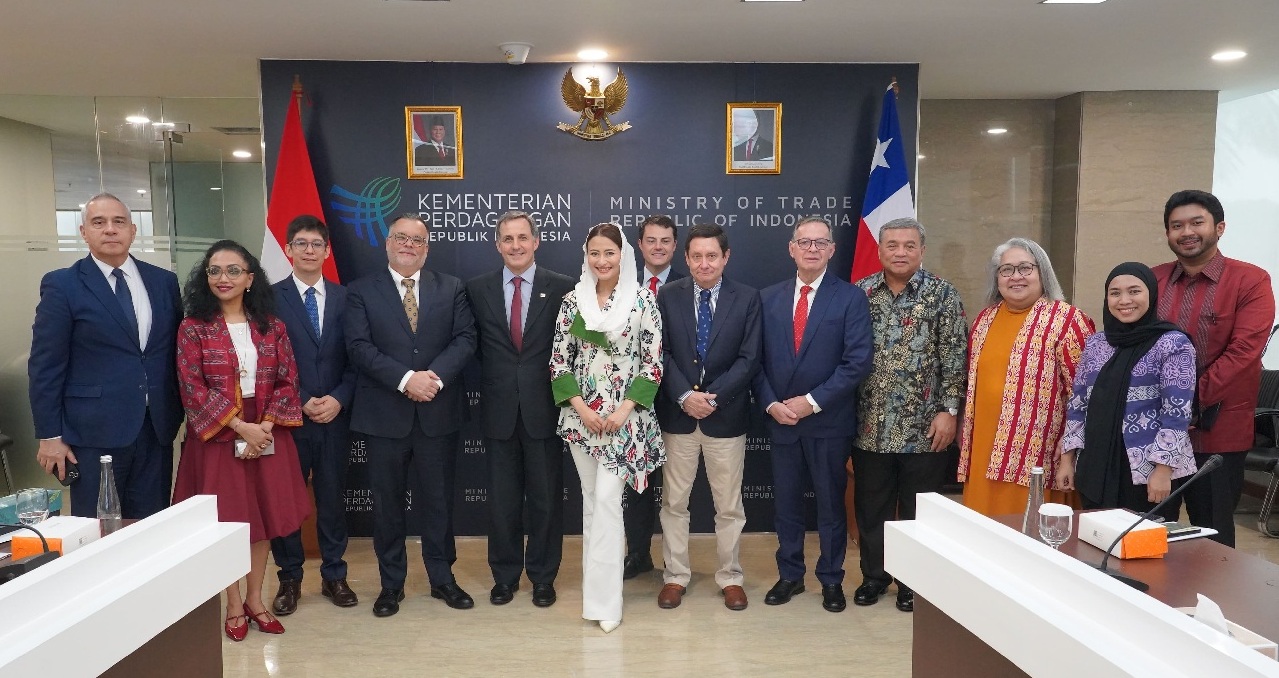
The commitment was discussed at a meeting in Jakarta on 28 August between Indonesian Deputy Trade Minister Dyah Roro Esti Widya Putri and Chilean Deputy Agriculture Minister Francesco Venezian. Vibizmedia reported that the two governments view better implementation of IC-CEPA as a principal tool for strengthening their economic relationship.
Indonesia wants more of its processed food, coffee, cocoa, spices, tropical products, footwear, paper, automotive goods and other manufactured products to reach the Chilean market. Roro said the expansion of access should work in both directions and deliver balanced benefits.
Indonesia is also open to agricultural and food products from Chile, including cherries, grapes, berries and apples. These shipments must comply with applicable sanitary and phytosanitary requirements, food-safety rules, halal provisions and customs procedures. Compliance will therefore remain central to the pace at which suppliers can convert tariff access into actual sales.
Preference use rises as cocoa opportunities emerge
Use of IC-CEPA preferences by Indonesian exporters has increased. According to Vibizmedia, the agreement covered 75.7% of Indonesia's total exports to Chile in 2025. The value supported by certificates of origin reached $334.14 million, up 21.36% from $275.39 million in 2024.
Processed cocoa powder provides a concrete example of the commercial opportunities. PT Mandala Prima Makmur has completed an export shipment to Alimentos 4M SpA through the UMKM BISA Ekspor program. Separate discussions with E-Cibo SpA could generate a transaction worth $739,030 in 2026, supported by the zero tariff available under IC-CEPA.
For Indonesian processors, preferential treatment can improve competitiveness in a distant Latin American market, but commercial gains will depend on sustained buyer relationships, logistics and compliance. The range of products identified by the government also shows that Indonesia is pursuing opportunities beyond primary commodities, including processed food and manufactured goods.
Chilean grapes demonstrate two-way trade
Chile is already benefiting from the agreement through sales of fresh grapes. Indonesia imported $6.97 million of Chilean fresh grapes in 2025, equivalent to 1,887 tonnes, under a zero preferential tariff. The flow illustrates the complementary nature of the trade agenda: Indonesia is seeking outlets for tropical, processed and manufactured products, while Chile is targeting demand for temperate-climate fruit.
The countries agreed to continue improving implementation of IC-CEPA, including through a planned second review meeting in Santiago. Business promotion will also feature the INA-LAC Business Mission 2026 in Santiago on 1–2 October 2026 and the 41st Trade Expo Indonesia on 14–18 October 2026.
The agenda could eventually extend beyond merchandise trade. The governments identified investment, agricultural technology, development of crop varieties adapted to climate change and exchanges of experience in managing forest fires as possible areas of cooperation. For companies, however, the immediate test will be whether better use of preferences and closer business contacts produce repeat orders across a wider range of products.