Indonesia advances cassava processing for food and E10 bioethanol
The Indonesian Cassava Society is promoting biotechnology-based industrial processing, farmer training and commercial partnerships to expand cassava use in food and bioethanol. It estimates that supplying 1.5 million kilolitres of ethanol for an E10 programme would require about 520,000 hectares of cassava.
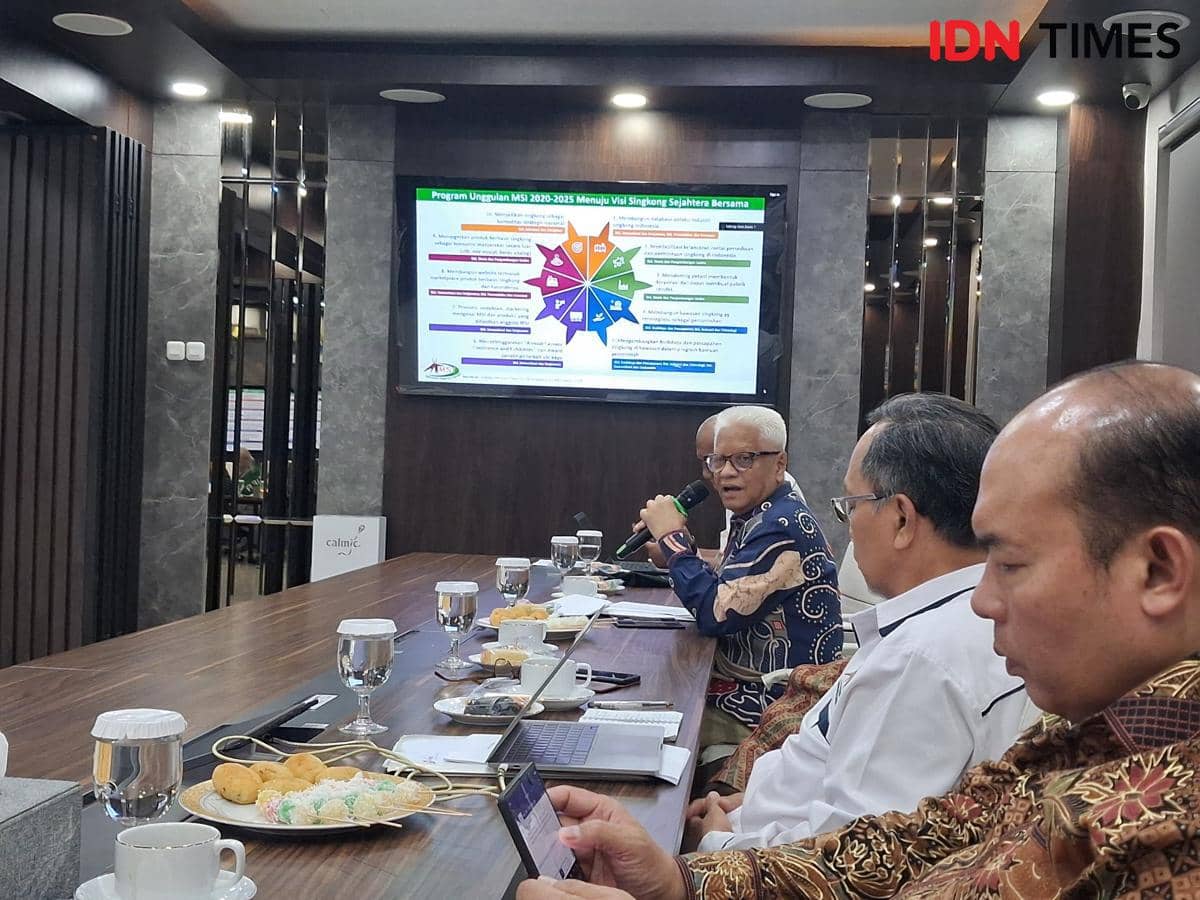
Association targets industrial-scale processing
The Indonesian Cassava Society, known as MSI, is seeking to move the crop beyond its traditional role as a raw food ingredient and into large-scale, biotechnology-based processing. The association presents cassava as a strategic commodity for national food supplies and bioenergy as Indonesia faces climate pressures and continued dependence on imports.
Arifin Lambaga, who led MSI in 2021-2025 and was re-elected by acclamation for 2025-2030, said the industry had already taken steps into processing and must now strengthen cultivation. Speaking at MSI’s fourth national congress in Bogor on 29 July 2026, he identified production readiness and a complete regulatory framework as essential conditions for developing the commodity.
The initiative covers two distinct markets. In food, MSI wants more cassava to enter processed products with stable commercial demand. In energy, it sees the crop as a potential feedstock for Indonesia’s national bioethanol blending programme. Both uses require reliable raw-material supplies, improved farm practices and buyers capable of absorbing production at scale.
E10 requirement highlights the land challenge
MSI Executive Director Achmad Rachman said an E10 blending scheme would require an estimated 1.5 million kilolitres of bioethanol. According to the association’s conversion assumption, 6-7 kilograms of cassava tubers produce 1 litre of bioethanol. On that basis, MSI calculates that approximately 520,000 hectares of planted land would be needed to support the programme.
The land requirement is also substantial at individual plant level. A bioethanol facility with capacity of 50,000 litres per day would need a guaranteed annual cassava area of 4,000-5,000 hectares, Rachman said. This links investment in processing capacity directly to land allocation, farm productivity and dependable procurement arrangements.
MSI has not provided investment costs, construction schedules or a national production forecast. Its figures nevertheless show the scale of coordination required before cassava-based ethanol can supply E10 volumes. Processing plants need predictable throughput, while farmers need credible offtake commitments before expanding cultivation. Regulation will also determine how feedstock, blending and market access are organised.
Training and partnerships support food demand
For food processing, MSI is improving its database of micro, small and medium-sized enterprises and has delivered cultivation training to 5,000 participants. The association plans to replicate that training across production centres. It is also working with state food logistics company Perum Bulog to develop cassava rice and has approached retail and private-sector partners to absorb crops from local farmers.
MSI cited partnerships with the Accor hotel network and a processing industry operation in Salatiga where cassava raw-material absorption can reach 10 tonnes per day. Although modest compared with the volumes implied by a national ethanol programme, such demand offers a practical route for testing procurement, quality standards and processed-food markets. The association is also expanding its regional organisation, confirming nine regional boards in areas ranging from Aceh and Lampung to Bogor Regency. These local structures are intended to oversee commodity development and connect cultivation programmes with processors and buyers.