Indonesia and Bulgaria Seek Wider Food Trade, Investment and Technology Ties
Indonesia and Bulgaria are exploring broader agricultural trade, investment and technology cooperation. Proposed areas include Bulgarian food supplies for Indonesia, Indonesian access to Europe and investment in cattle farming and dairy processing.
Food supplies enter bilateral agenda
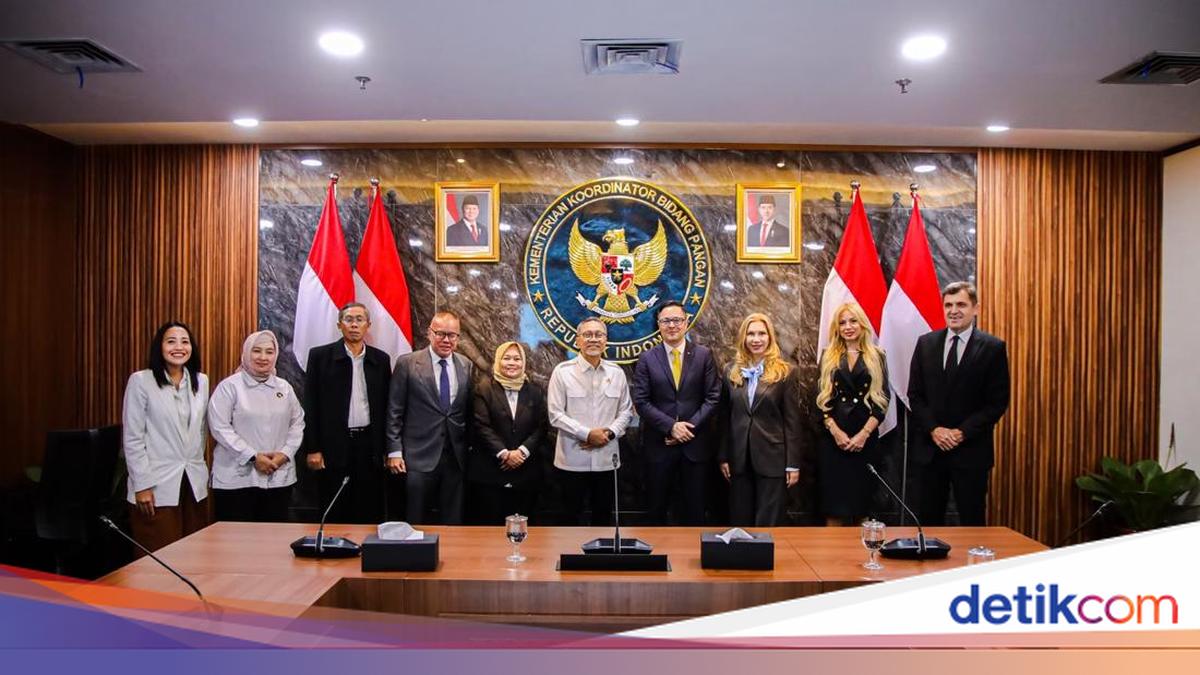
Indonesia and Bulgaria are considering wider market access for food and agricultural products, alongside investment and technology cooperation. The talks took place in Jakarta on September 14, 2026, between Indonesia’s Coordinating Minister for Food Zulkifli Hasan and Bulgarian Deputy Prime Minister and Minister of Economy, Investment and Industry Alexander Poulev.
Bulgaria offered to supply the Indonesian market with milk, beef, corn and wheat flour, according to Detik and ANTARA. Availability of ingredients for Indonesia’s Free Nutritious Meals program, known as MBG, was among the subjects discussed. The Indonesian government said the proposed cooperation could strengthen the domestic food industry while supporting supplies for the program.
The discussions remain exploratory. Both governments plan technical follow-up covering trade, investment, food security, agricultural technology, food processing, halal certification and the development of food supply chains. No supply volumes, investment values, commercial contracts or implementation timetables were announced.
Cattle farming and dairy processing
Indonesia offered Bulgarian companies investment opportunities in domestic cattle farming and dairy-processing technology. Bulgaria, in turn, expressed readiness to promote agricultural and food-sector investment and technology transfer. This places the negotiations beyond a straightforward exchange of finished food products: they could also involve local production capacity and processing expertise.
For Indonesian livestock and dairy operators, the commercial effect will depend on the form of any future projects. Imports of milk or beef could increase available supply, while investment in herds and processing equipment could expand domestic capacity. Technical discussions will therefore need to determine how imported ingredients, local production and technology transfer would fit together.
Gateways to Europe and Southeast Asia
Indonesia presented cocoa, coconut, palm oil and halal food as products with potential for wider sales in Bulgaria and the rest of Europe. The government views Bulgaria as a strategic entry point to the European market. Bulgaria has similarly positioned Indonesia as a route into Southeast Asia, giving the talks a regional market-access dimension.
Bulgaria also highlighted its role as a gateway to the European Union, whose population is about 450 million, Pantau and ANTARA reported. Market access would still require detailed work on standards, certification and supply chains. Halal certification is explicitly included in the next phase of talks, a relevant issue both for Bulgarian suppliers targeting Indonesia and for Indonesian food companies seeking broader distribution.
Trade starts from a modest base
Indonesia’s Ministry of Trade put bilateral trade at $230.8 million in 2025. Indonesian exports totaled $147.4 million and imports were $83.1 million, producing an Indonesian surplus of $64.2 million. The component figures do not sum exactly to the reported total, indicating that they may have been rounded.
Current trade is broader than food. Indonesia’s main exports to Bulgaria include nickel ores and concentrates, unwrought aluminium, iron and steel products, and margarine. Imports from Bulgaria include wheat and meslin, medical equipment, spices, unmanufactured tobacco and defense equipment.
The proposed food partnership could diversify that trade basket, but the outcome will depend on the technical negotiations and subsequent commercial commitments. The initiative comes as Indonesia and Bulgaria mark 70 years of diplomatic relations in 2026, providing a political framework for deeper ties without yet guaranteeing new trade flows.