Indonesia bids to lead BRICS agro-industry on surging coffee, cocoa and tobacco exports
Indonesia is positioning itself as the lead driver of agro-industry inside the BRICS bloc, citing a surge in coffee, cocoa and tobacco shipments that has lifted total non-oil and gas exports. The pitch puts Jakarta alongside Brazil and India, which compete in the same crops, and shifts the test of leadership to processing rather than raw-bean volume.
Coffee, cocoa and tobacco drive the non-oil basket
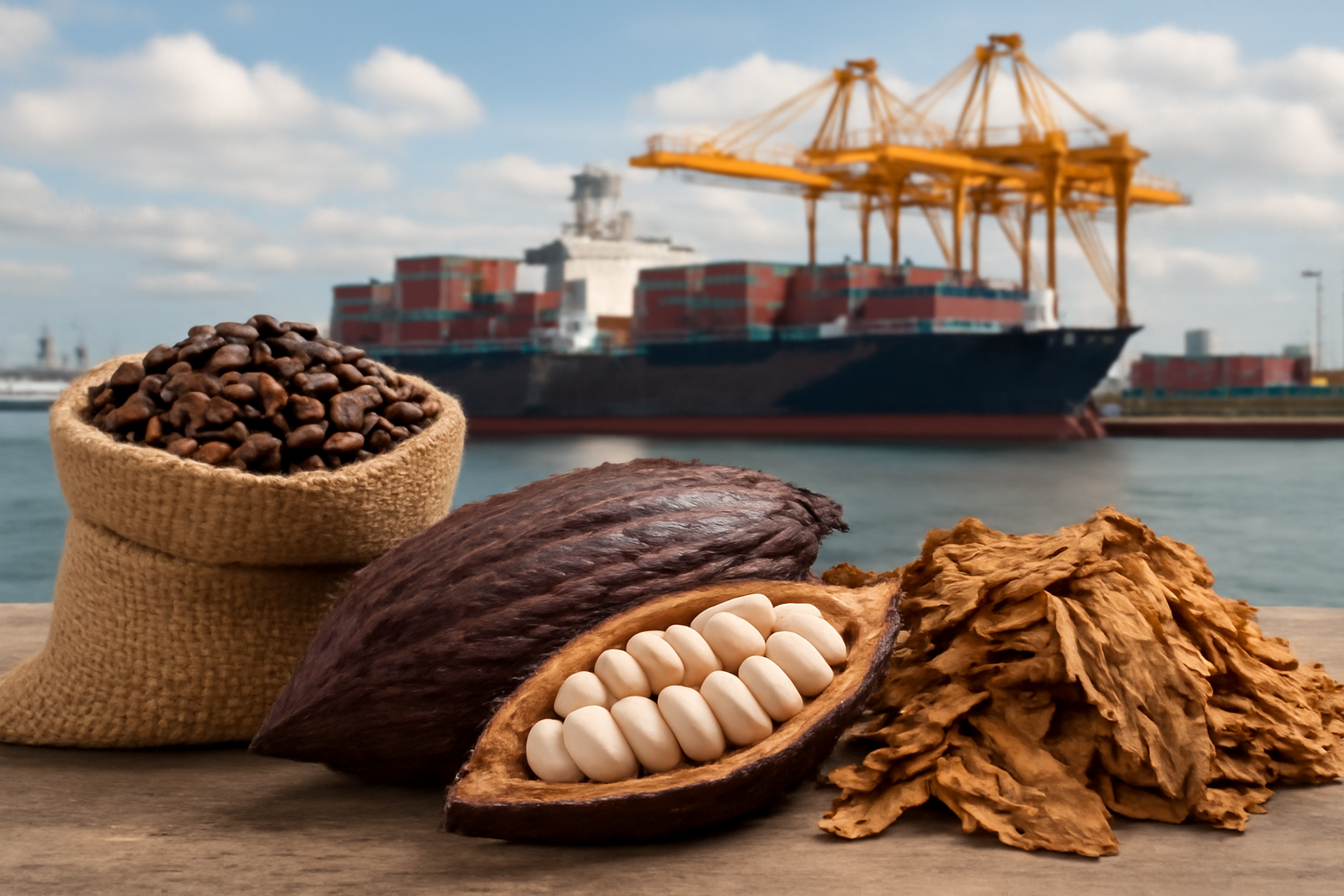
Indonesia is presenting itself as the lead driver of agro-industry inside the BRICS bloc, with coffee, cocoa and tobacco named as the commodities behind the claim. An Indonesian-language report on the country's trade performance says shipments of the three crops have surged and pulled total non-oil and gas exports sharply higher, carried by strong demand from overseas buyers. The summary carries no breakdown by volume or value and does not specify a reference period.
The non-oil and gas category, known in Indonesian statistics as “nonmigas”, covers everything outside crude oil, natural gas and their derivatives. It is the metric Jakarta uses to judge whether manufacturing and agriculture are carrying export growth rather than hydrocarbons. Indonesia became a full BRICS member in January 2025, and agro-industry is the sector it is putting forward inside the grouping.
What the BRICS platform offers, and what it demands
For producers and traders, the practical content of an agro-industrial axis lies in market access and payment arrangements rather than in declarations. The bloc contains large buyers and direct competitors in the same crops side by side.
- China and India are among the largest food and beverage import markets inside the grouping and buy tropical raw materials in bulk.
- Brazil, also a BRICS member, is the world's largest coffee producer and a significant cocoa origin, competing with Indonesian beans in the same destinations.
- India is a competitor in both robusta coffee and leaf tobacco.
- Russia works as a roasting and re-export hub, buying green coffee and shipping processed product on to neighbouring markets.
That line-up sets the ceiling on the ambition. Leading an agro-industrial axis means moving up the chain — grinding cocoa into butter and powder, producing soluble coffee, standardising grades — rather than adding raw-bean volume that other members already supply.
Constraints on the ambition
Each of the three crops carries its own bottleneck. Indonesian coffee is grown overwhelmingly on smallholder plots, many with ageing trees, which caps how quickly the harvest can respond to high prices. In cocoa the problem runs deeper: domestic grinding capacity has outgrown the local bean crop, plants run on imported beans, and higher exports of processed cocoa do not automatically mean more Indonesian beans. Tobacco is tied to the domestic kretek industry, which absorbs the bulk of the leaf crop and leaves a smaller share for export.
Regulation on the buyer side matters as well. The European Union's deforestation rules apply to coffee and cocoa and require traceability down to the plot, a burden that falls hardest on smallholder supply chains. That raises the appeal of buyers with lighter documentation requirements, several of them inside BRICS, while making a presence in the European market more expensive. For exporters, the question over the coming seasons is whether Indonesia converts a price-driven export surge into durable processing capacity, or whether the gains fade with the commodity cycle.