Indonesia Backs Dairi Cabbage Export Program Targeting Asian Markets
Indonesia is developing an export-oriented cabbage supply chain in Dairi, North Sumatra, with initial shipments projected at 100-200 tonnes a month. The HDDAP program will focus on farm standards, post-harvest handling and producer organization, with Malaysia, Singapore and Taiwan among the target markets.
Dairi prepares export-oriented cabbage supply
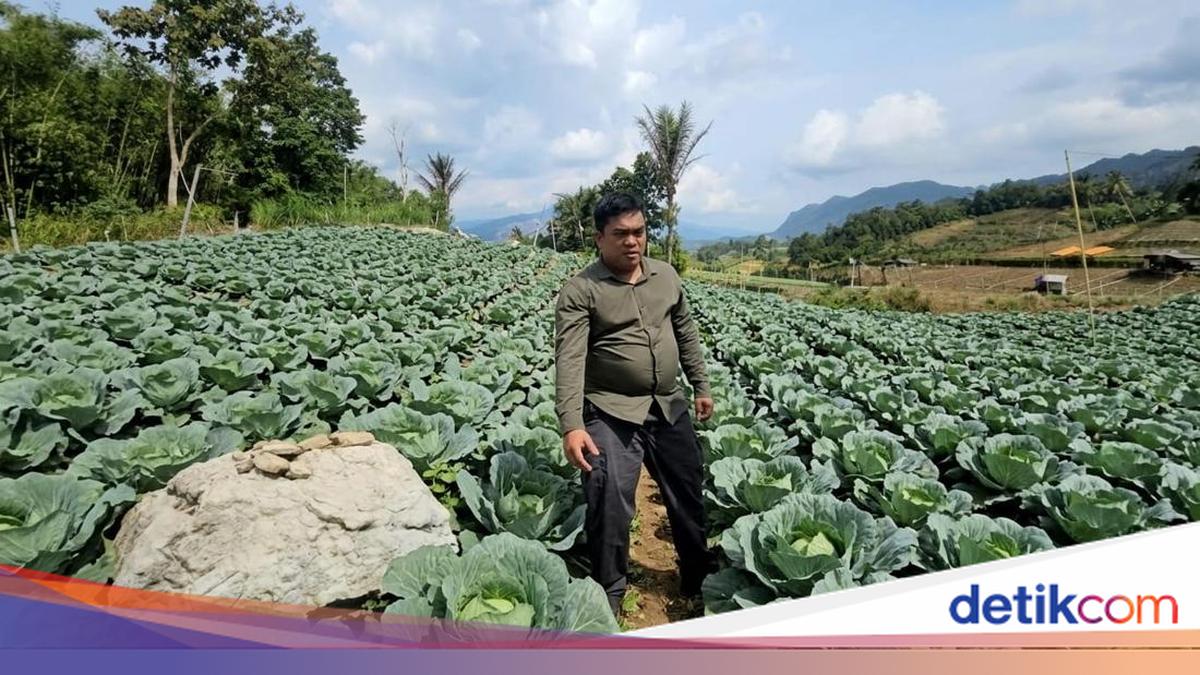
Indonesia's Directorate General of Horticulture and the Dairi Regency administration are developing an export-oriented cabbage industry through the Horticulture Development in Dryland Areas Project, or HDDAP. The government-backed program is intended to improve cultivation standards, post-harvest quality and supply-chain continuity in the North Sumatran regency.
According to 2025 data from Statistics Indonesia's Dairi office cited by Detik Finance, the regency had more than 549 hectares of harvested cabbage area. Yields ranged from 6 to 7.3 tonnes per hectare, while current annual output was estimated at 5,000-6,000 tonnes, primarily serving Indonesia's domestic market. Dairi's volcanic soils and elevation of 700-1,450 metres support the production of dense, crisp highland cabbage.
The local administration said more than 215 hectares are ready for cabbage development under HDDAP. At the initial stage, authorities project that 100-200 tonnes a month could be allocated to exports, supported by quality controls, stronger farmer organizations and improved post-harvest capacity.
Export margins could exceed domestic returns
Domestic cabbage prices were projected at Rp2,500-Rp4,000 per kilogram, generating an estimated net profit of Rp1,000-Rp1,500 per kilogram. Export cabbage could fetch Rp7,000-Rp10,000 per kilogram. After sorting, packaging and other production adjustments estimated at Rp2,500-Rp3,000 per kilogram, farmers could retain Rp3,500-Rp5,000 per kilogram.
On those assumptions, export sales could produce two to three times the profit available in the domestic market. Detik Finance noted that actual earnings will still depend on market prices, production costs, compliance with quality specifications and supply-chain efficiency. Export channels could also reduce farmers' dependence on volatile local prices, although they introduce additional grading and handling costs.
Green Nova F1 is among the varieties being developed because its weight, compact head and storage characteristics suit highland production and distribution. Export cabbage is expected to weigh 1.5-2.5 kilograms per head. Farmers are also being encouraged to apply Good Agricultural Practices, including appropriate pesticide use and residue controls aligned with destination-country rules.
Malaysia, Singapore and Taiwan targeted
The export strategy focuses on Southeast and East Asia. Malaysia and Singapore are viewed as potential destinations for regular supplies, while Taiwan is also being targeted because of its demand for products that meet specific freshness and quality requirements. Sorting and grading will therefore be central to maintaining uniform shipments.
Freddy Lumban Gaol, the Agriculture Ministry's director of horticultural downstream development and HDDAP project director, said on 20 September 2026 that market access must be supported by production planning, consistent quality and reliable supply. Dairi agriculture agency head Kesti Rusda Angkat said the authorities would help farmers meet standards and sustain export volumes. The program will strengthen farmer groups and cooperatives so they can consolidate output, negotiate with buyers and coordinate deliveries, but its commercial results will ultimately depend on securing lasting partnerships with exporters and overseas customers.