Indonesia rolls out world-first B50 palm biodiesel mandate
Indonesia has become the first country to raise the palm oil share in its diesel to 50%, moving from the B40 to the B50 standard. Officials say the shift will lift crude palm oil consumption to 17 million tonnes, cut diesel imports and save up to Rp170 trillion a year.
Indonesia moves to a 50% palm oil diesel blend
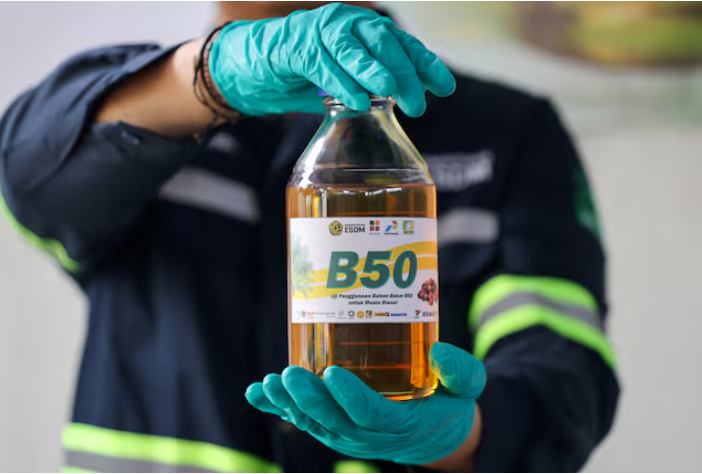
Indonesia has become the first country in the world to require diesel with a 50% palm oil content, raising the mandated blend from the previous B40 standard to B50. Energy Minister Bahlil Lahadalia said the shift lifts the palm oil share in the national diesel pool from 40% to 50%. President Prabowo Subianto announced the move on 10 July, describing the B50 programme as evidence that Indonesia can use its own natural resources for the benefit of its people and as a step toward energy independence and lower fuel imports.
Higher palm oil demand
As the world's largest palm oil producer, Indonesia has the feedstock to underpin the programme. Under B50, diesel is blended from 50% palm oil and 50% fossil diesel. According to overclockers.ru, citing the energy minister, the higher blend raises the country's consumption of crude palm oil from 15.2 million tonnes to 17 million tonnes. That additional demand — close to 1.8 million tonnes of crude palm oil per year — is directed into the domestic fuel supply rather than exports.
Import savings and price insulation
Officials frame the mandate primarily as an energy-security measure. By replacing more imported fossil diesel with domestically produced biofuel, the government expects to cut its reliance on foreign diesel supplies. An energy observer cited by rm.id said the B50 rollout strengthens energy resilience, reduces diesel imports and could save foreign exchange of up to Rp170 trillion per year. The observer also argued that a higher domestic biofuel share reduces the country's exposure to swings in world oil prices, since a larger part of transport fuel is sourced from local palm oil rather than imported crude.
Farmers and the path to B60
Energy Minister Bahlil Lahadalia said the B50 programme can have a positive impact on the economy of palm oil farmers, according to investor.id, by expanding domestic demand for their crop. The blend was set at 50% after President Prabowo Subianto pressed for a far higher palm oil content; the government urged him to keep the mandate at a 50% blend, while leaving open the prospect of raising it to 60% in future.
- Blend raised from B40 (40% palm oil) to B50 (50% palm oil)
- Crude palm oil use up from 15.2 million tonnes to 17 million tonnes
- Potential foreign-exchange savings of up to Rp170 trillion per year
- Possible future increase of the palm oil share to 60%
The government expects the transition to increase palm oil processing, strengthen energy security and, over time, allow Indonesia to move away from fuel imports altogether. Enterprises are expected to use up their remaining B40 stocks by September before switching fully to the new standard.