Indonesia halts broken-rice imports, auctions downgraded Bulog stocks for flour
Indonesia will auction about 380,000 tonnes of downgraded Bulog rice to domestic flour processors after stopping imports of broken rice. The government set a minimum auction price of Rp11,000 per kilogram, aiming to reduce storage losses and ease flour costs.
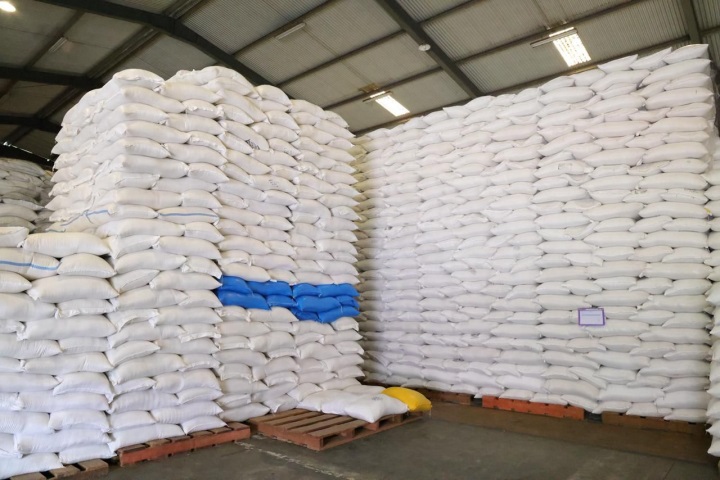
Indonesia will auction about 380,000 tonnes of downgraded rice held by state logistics agency Perum Bulog for use by domestic flour processors, linking the disposal of aging government stocks to a broader effort to replace imported broken rice.
Coordinating Minister for Food Affairs Zulkifli Hasan announced the decision in Jakarta on September 7, according to Bataviapos. The rice belongs to the Government Rice Reserve and has deteriorated in quality following extended storage. The government intends to prevent the grain from becoming unusable while securing raw material for Indonesia’s rice-flour industry.
Most of the supplied reports put the volume at 380,000 tonnes, although one headline gives a lower figure of 308,000 tonnes. The detailed Bataviapos account and reports from Bisnis.com and Kontan refer to approximately 380,000 tonnes.
Auction sets Rp11,000 floor price
The rice will be released through an open auction managed via the State Assets and Auction Service Office, or KPKNL, under the Ministry of Finance. The government has established a minimum price of Rp11,000 per kilogram.
Bataviapos reported that this floor is Rp1,000 below the approximately Rp12,000-per-kilogram price cited by Zulkifli for medium rice sold under Indonesia’s Food Supply and Price Stabilization, or SPHP, program. The discount reflects the lower quality of the long-stored grain and is intended to make it commercially viable as an industrial input rather than table rice.
At the minimum price, the full 380,000-tonne volume would have a nominal auction value of about Rp4.18 trillion. Actual proceeds will depend on the quantity sold and winning bids, which may exceed the floor.
Flour mills and other processors are expected to be the principal bidders. Zulkifli said directing the stock into flour production could help reduce flour prices, which have been rising, although the source did not provide a current flour price or quantify the expected reduction.
Import substitution targets broken rice
The measure follows Indonesia’s halt to imports of broken rice and related industrial rice inputs. Bulog President Director Ahmad Rizal Ramali said rice-flour raw material had typically been imported, but processors could now draw on the agency’s large inventories and downgraded stocks.
The policy therefore serves two connected objectives: replacing imported raw material with domestic inventory and limiting losses from prolonged public storage. It also redirects grain unsuitable for normal consumer distribution toward a processing industry capable of using it.
The source did not identify Indonesia’s previous suppliers of broken rice, historical import volumes or the timing of the import suspension. The effect on international trade flows will consequently depend on how much imported material processors previously used and whether auctioned Bulog rice meets their requirements consistently.
Older grain may suit flour production
Bulog executives said the age of the rice could offer technical advantages for flour manufacturing. Ramali said rice used for flour generally needs to have been stored for more than 10 months.
Bulog Marketing Director Rahmanto Amin Jatmiko said long-stored rice develops higher amylose content, producing a better structure when processed into rice flour. Broken grains recovered during sorting can also be combined with older rice, broadening the usable supply available to processors.
Quality and yield will remain central to mill purchasing decisions. The government describes the stock as downgraded rather than completely damaged, but processors will have to assess whether individual lots meet food-manufacturing specifications and whether additional sorting or treatment affects their costs.
Policy clears pressure from Bulog warehouses
For Bulog, the auction creates an outlet for stocks that otherwise risk further deterioration and eventual write-offs. It may also free warehouse capacity while recovering part of the government’s inventory value.
For processors, the scheme offers a large domestic supply pool at a regulated minimum auction price. Its impact on flour markets will depend on bidding competition, the pace of releases and the condition of the rice delivered. If the volume is absorbed efficiently, the program could reduce demand for imported broken rice while converting aging public stocks into a usable industrial product.