Indian pulse prices rise by up to 6% as kharif sowing declines
Pulse prices in India have increased by as much as 6% after reduced kharif sowing tightened the market outlook. The central government is considering releasing pulses from its buffer stock, while El Niño is also raising concerns about the coming rabi crop.
Reduced sowing lifts pulse prices
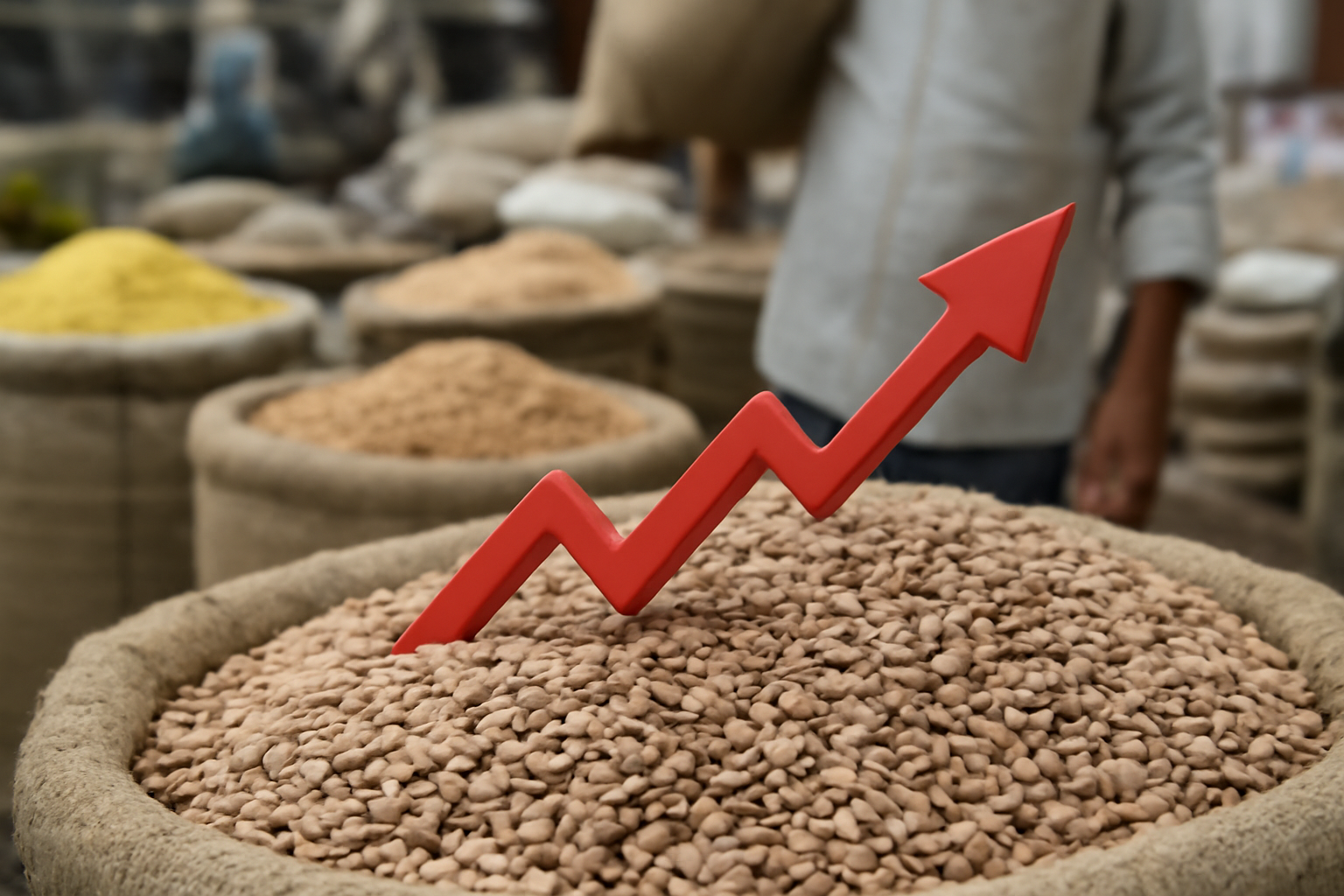
Prices across India’s pulse market have risen by as much as 6% as lower kharif sowing raises concerns about domestic availability. The increase is adding pressure to household food budgets and putting the government’s supply-management options under closer scrutiny.
The reported decline in kharif planting affects the market before the harvest is fully available. For processors, wholesalers and retailers, a smaller planted area can mean tighter procurement conditions if yields do not compensate for the reduction. Producers may benefit from stronger prices, but the scale of any gain will depend on the eventual crop and their own harvest volumes.
Government considers buffer release
India’s central government is considering releasing pulses from its buffer stock into the market to contain the price increase. The available information describes the measure as being under consideration, rather than as an announced release, and does not specify the proposed volume, timing or pulse varieties involved.
A buffer-stock release would add government-held supply to commercial channels. Its market impact would depend on the quantity offered, the pace of sales and where the pulses are distributed. A limited release could ease shortages in particular markets, while a larger or sustained intervention could place broader pressure on wholesale prices. Without disclosed volumes or a timetable, traders cannot yet calculate how much supply may reach the market or how quickly it could affect purchasing decisions.
El Niño adds risk for the rabi season
The supply outlook is complicated by concern that El Niño may also affect the upcoming rabi crop. That creates a second source of uncertainty after the shortfall in kharif sowing. If rabi production also comes under pressure, the market could remain tight beyond the current crop cycle; if conditions are more favorable, the later harvest could provide some relief.
The situation matters across the pulse chain. Farmers must weigh current prices against weather and production risks when making planting decisions. Processors need to secure raw material while avoiding excessive inventories if government stocks are released. Traders face uncertainty over both future harvest volumes and possible state intervention, while retailers must manage higher procurement costs without further straining consumer demand.
Market waits for crop and stock details
The 6% price increase is an early signal of concern rather than a complete measure of the season’s supply balance. No figures have been provided for the reduction in kharif acreage, expected production, buffer-stock holdings or the amount that could be released. Those details will determine whether the current move is temporary or develops into a longer period of elevated prices.
For market participants, the next important information will be the government’s decision on buffer supplies and clearer evidence about rabi planting and weather conditions. Until then, processors and traders must operate with limited visibility over both privately produced supply and the volume that may be made available by the state.