Indian Pulse Prices Rise Ahead of Diwali Despite Record Production and Large Buffers
Indian wholesale prices for chickpeas, mung beans, pigeon peas and yellow peas rose sharply over the past month as festival demand and concern about future supply strengthened the market. The increase comes despite record pulse production in 2025-26 and government buffer stocks exceeding the official norm.
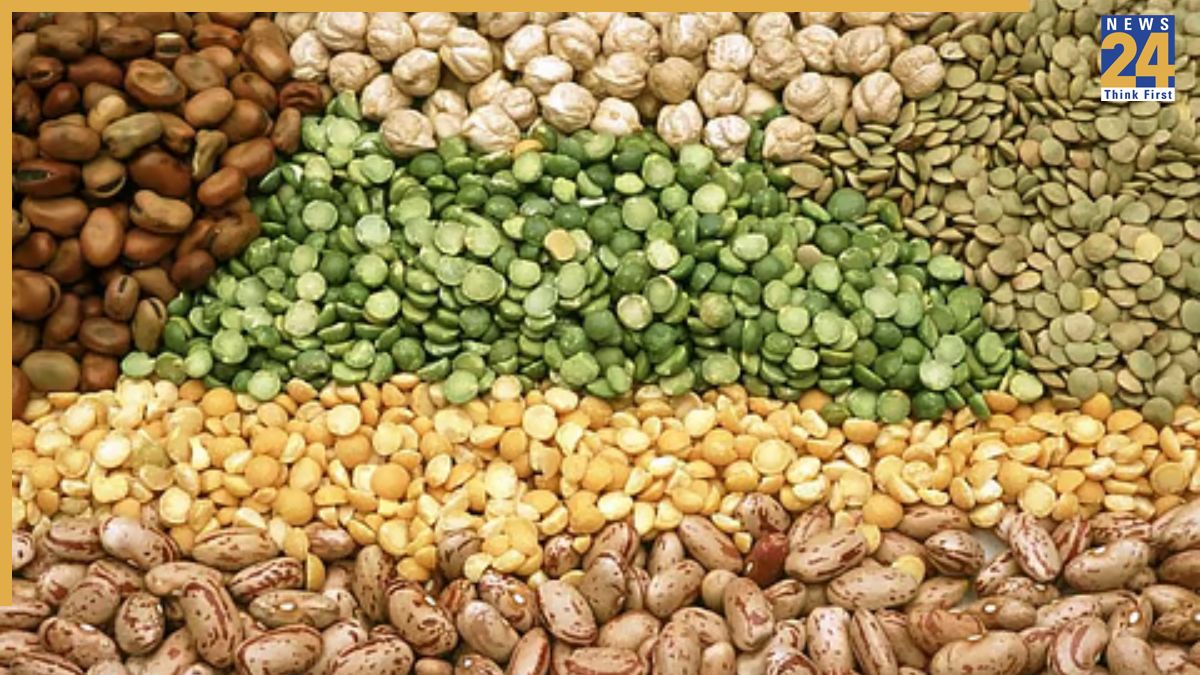
Wholesale prices accelerate before the festival
Prices for several major pulses in India have risen sharply ahead of Diwali, increasing costs for households and food businesses preparing sweets and other festival dishes. Data from the Indian Pulses and Grains Association, cited by News24 Hindi, show that chickpea prices increased 11% over the past month, while mung beans rose 10.6%, pigeon peas advanced 6.5% and peas gained as much as 6%.
The movement has also been pronounced over the shorter weekly period. Chickpeas became 5.5% more expensive in one week, mung beans gained 4.3%, pigeon peas rose 2.4% and peas increased 3%. Compared with a year earlier, chickpea prices were 23% higher, while peas, including yellow peas, were up 47%.
Higher chickpea prices are particularly relevant during Diwali because chickpea flour, or besan, is widely used in sweets and savoury foods. The increases may therefore pass through to processors, confectioners, restaurants and household food budgets even though the available figures do not point to an immediate nationwide shortage.
Retail prices reflect pressure across key varieties
Government data cited by News24 Hindi put retail chickpea dal at about 88.72 rupees per kilogram. Pigeon pea dal was selling at approximately 125.72 rupees per kilogram, mung dal at 112.14 rupees and lentil dal at 90.43 rupees. Pigeon pea remained the most expensive of the four retail categories reported.
Festival demand is one factor behind the increase, but the publication said expectations about the next harvest and future imports were also influencing traders. When market participants anticipate tighter availability later, wholesale quotations can rise even while warehouses remain well supplied. That distinction matters for buyers: the current increase appears to reflect forward-looking risk and seasonal purchasing rather than evidence of an existing pulse famine or severe physical deficit.
Record crop and buffers give the government room to act
India produced a record 27.409 million tonnes of pulses in 2025-26, according to the figures reported by News24 Hindi. Output was 6.7% higher than in the previous year. Government buffer stocks also exceeded 4.5 million tonnes, compared with a standard requirement of 3.5 million tonnes.
The reserve included about 1.95 million tonnes of chickpeas and 1 million tonnes of pigeon peas. Those holdings give the government a potential tool to moderate prices by releasing pulses into the open market. News24 Hindi reported that such a release could offer consumers some relief immediately before the festival, although the source did not specify a decision, volume or timetable.
For processors and traders, the key issue is therefore the timing and scale of any government sales. A large or rapid release could curb wholesale gains and reduce procurement costs, especially for chickpea-based products. Without a release, seasonal demand and concern over the next crop or imports could keep prices firm despite the size of domestic production and public inventories. Importers must also weigh the risk that government stocks limit domestic prices after cargoes have been contracted, while producers face the opposite risk that intervention cuts the value of their inventories.