Indian food exports face resistance across wheat, rice, mangoes, spices, shrimp and eggs
Indian agricultural shipments are facing resistance in several overseas markets, affecting products from wheat and rice to mangoes, spices, shrimp and poultry eggs. The reported actions involve Turkey, Bangladesh and the United States, increasing market-access risks for Indian exporters.
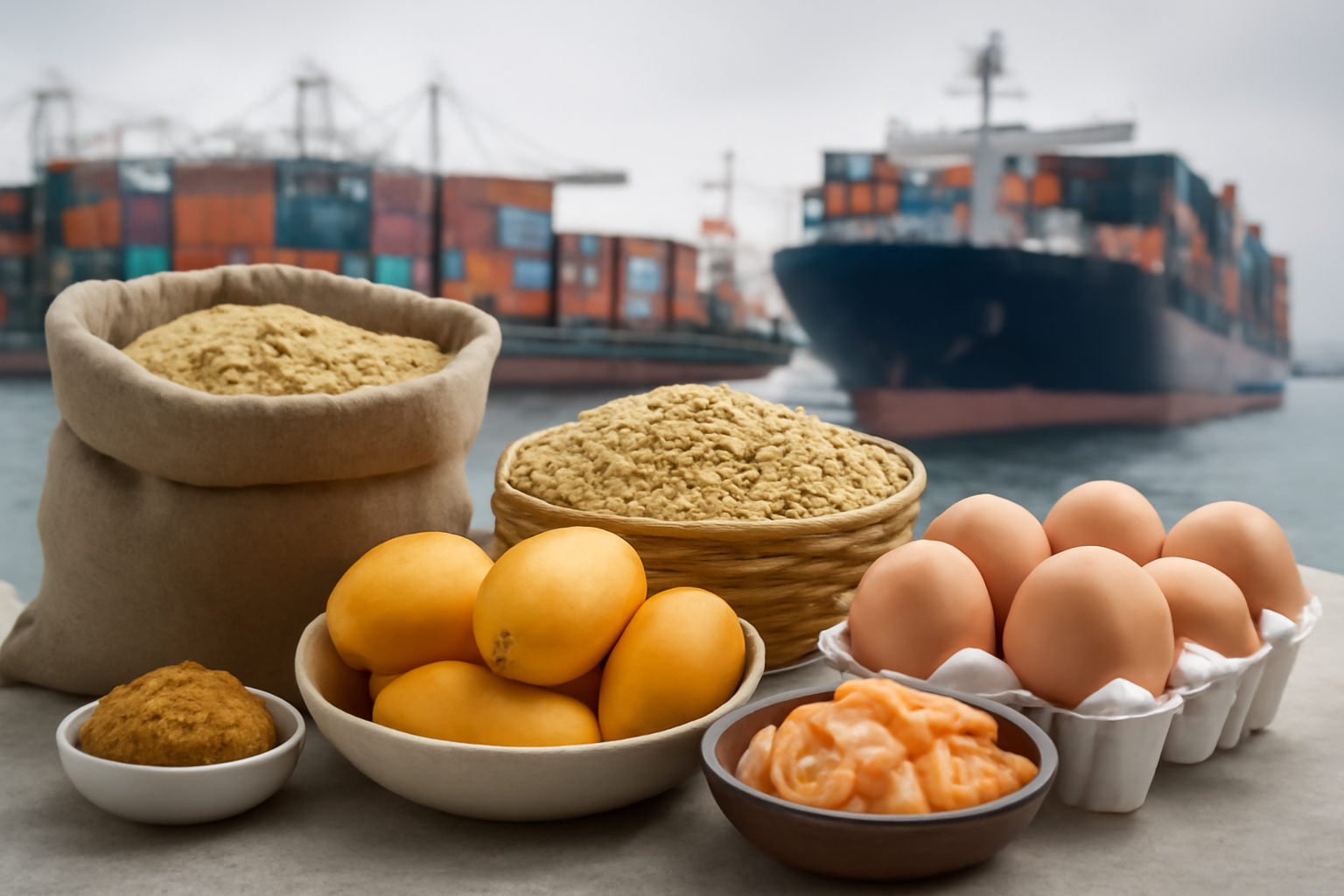
Export problems spread across product categories
Indian agricultural exporters are facing resistance in several overseas markets, with wheat, rice, mangoes, spices, shrimp and poultry eggs among the products affected. The reported cases involve Turkey, Bangladesh, the United States and other trading partners, creating pressure across several parts of India’s food-export sector rather than in a single commodity.
The available information describes a mixture of rejected shipments, purchasing restrictions and limited end uses. These measures are not necessarily identical: a rejected cargo, a restriction applying to one product and a decision to buy goods only for a particular purpose can have different commercial and regulatory consequences. The underlying result for exporters, however, is reduced certainty over whether goods will be accepted, how they may be used and which buyers remain accessible.
Grains and horticultural goods affected
Turkey and Bangladesh have reportedly refused Indian wheat and rice. The available material does not specify shipment volumes, rejection dates or the official grounds for those decisions. Without those details, it is not possible to determine whether the cases represent broad national bans, individual cargo disputes or restrictions linked to particular quality requirements.
Mangoes and spices are also identified among the Indian products facing rejection or restrictions abroad. These categories are especially exposed to border controls because they are food products and, in the case of fresh mangoes, perishable. A delayed or rejected shipment can therefore affect not only the exporter but also growers, packers, processors and logistics companies. For spice suppliers, uncertainty in overseas acceptance can complicate procurement and inventory planning even when no market-wide prohibition has been confirmed.
Animal products encounter narrower market access
Shrimp and eggs are included in the reported group of affected exports. In the United States, poultry eggs sourced from India are described as being purchased for dog and cat consumption rather than for people. That distinction gives Indian suppliers access to a specific end-use market, but it does not amount to unrestricted entry into the human-food segment.
Taken together, the cases show how market access can differ by country, product and intended use. Indian producers and exporters may need to separate cargo-specific rejections from wider restrictions before changing production or sales strategies. Importers also face a need for clearer documentation on permissible uses and acceptance conditions. With no shipment values, volumes or detailed regulatory notices provided, the immediate commercial impact cannot be quantified, but the breadth of products named points to a risk that extends across grains, horticulture, spices and animal-based food exports.