Indian coffee exports reach more than 140 countries as promotion targets UAE and UK
Indian coffee now reaches more than 140 countries, with the UAE and UK among the new markets in the sector’s diversification drive. The Coffee Board is promoting GI-tagged coffees and encouraging farmers to cultivate GI-registered varieties.
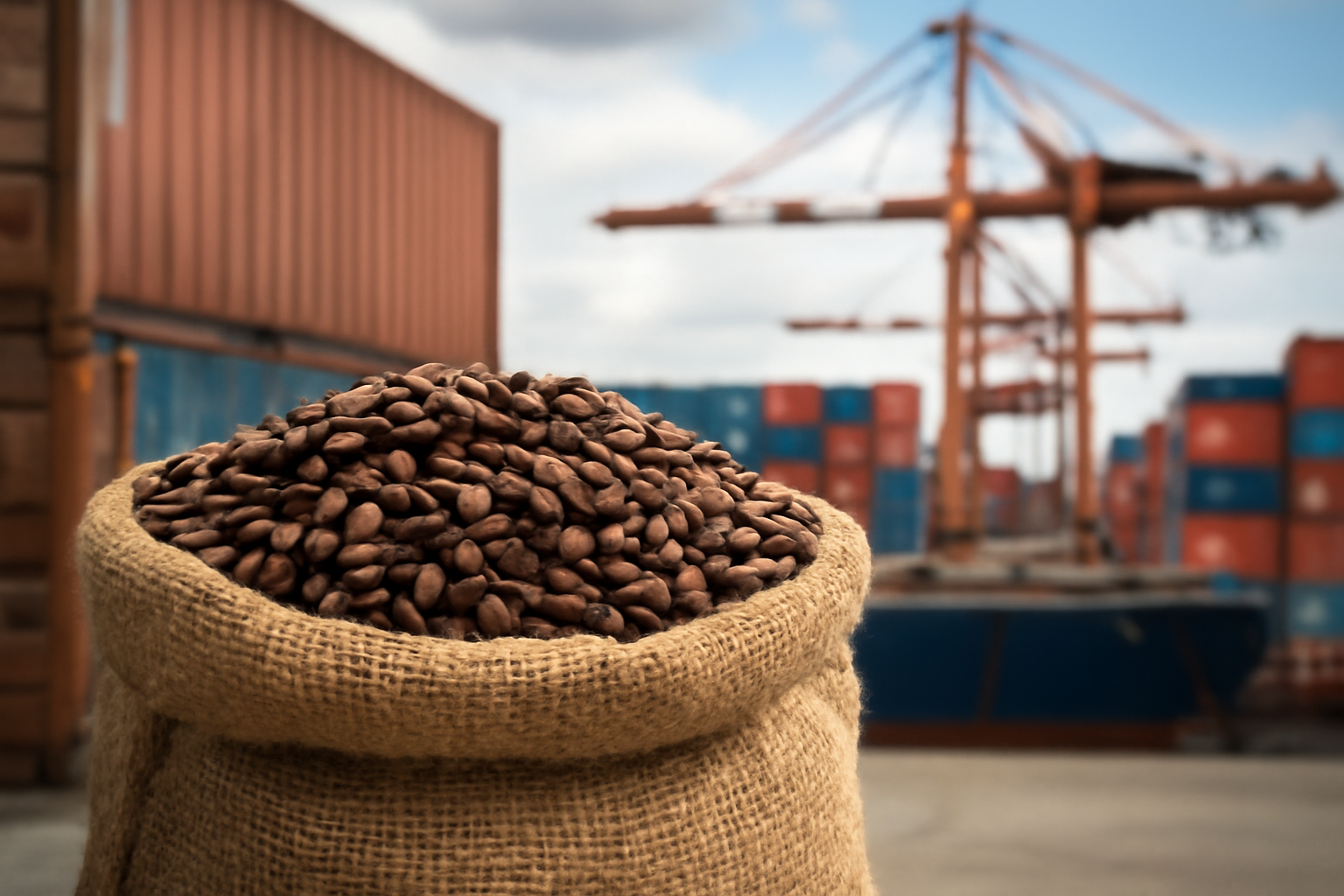
Indian coffee widens its international reach
Indian coffee is now reaching more than 140 countries as the industry seeks a broader base of overseas buyers. The UAE and UK are among the new markets highlighted in the country’s export diversification effort, giving producers and exporters additional destinations beyond their established sales channels.
The expansion reflects a push to improve the international visibility of coffee produced in India. For growers, processors and traders, access to more than 140 national markets can reduce dependence on a narrow group of destinations. It can also create more opportunities to match coffees with buyers seeking particular origins and regional identities.
GI-tagged coffee takes a central role
Minister of State for Commerce and Industry Jitin Prasada said the Coffee Board is undertaking several initiatives to promote coffees protected by geographical indication, or GI, status. The agency is also encouraging farmers to cultivate GI-registered coffee.
GI protection links a product to a defined geographical origin and gives the Coffee Board a clear identity around which to organise promotion. In the coffee market, where origin can influence purchasing decisions, the initiative gives Indian suppliers a way to present regional products as distinct offerings rather than treating all production as a single category.
The strategy connects farm-level production with overseas marketing. Encouraging cultivation of GI-registered coffee can increase the volume of beans associated with recognised origins, while promotion can build awareness among importers, roasters and other buyers. The effectiveness of the programme will depend on whether interest in those identities translates into sustained commercial demand.
UAE and UK add routes to market
The emphasis on the UAE and UK shows that diversification is not limited to increasing the overall country count. It also involves developing demand in individual markets where Indian coffee can compete for attention. Each destination offers another route for exporters and creates additional commercial relationships for the industry.
A wider geographic footprint may give exporters greater flexibility when demand differs between markets. Producers and processors could also benefit if GI promotion helps buyers distinguish coffee by place of origin. However, reaching a country does not by itself show the scale, continuity or value of shipments, and the available source material provides no figures for export volumes or earnings in the UAE, UK or other destinations.
Promotion must convert reach into demand
The immediate milestone is breadth: Indian coffee has entered more than 140 countries. The next commercial test is depth. Exporters need repeat buyers, while farmers cultivating GI-registered coffee need demand that recognises the identity attached to their crop.
The Coffee Board’s initiatives bring these objectives together by promoting GI-tagged products while encouraging their cultivation. If overseas awareness develops alongside production, Indian suppliers may be able to build stronger positions in newer markets. For industry participants, the key indicators will be continued orders, broader buyer participation and durable demand for coffees marketed through their geographical origin.