India wheat prices rise 8% in a month as edible oil cost concerns grow
Wheat prices in India have risen 8% in one month, Amar Ujala reports. The increase ahead of the festive season is adding to concerns that edible oil could also become more expensive and put further pressure on household food budgets.
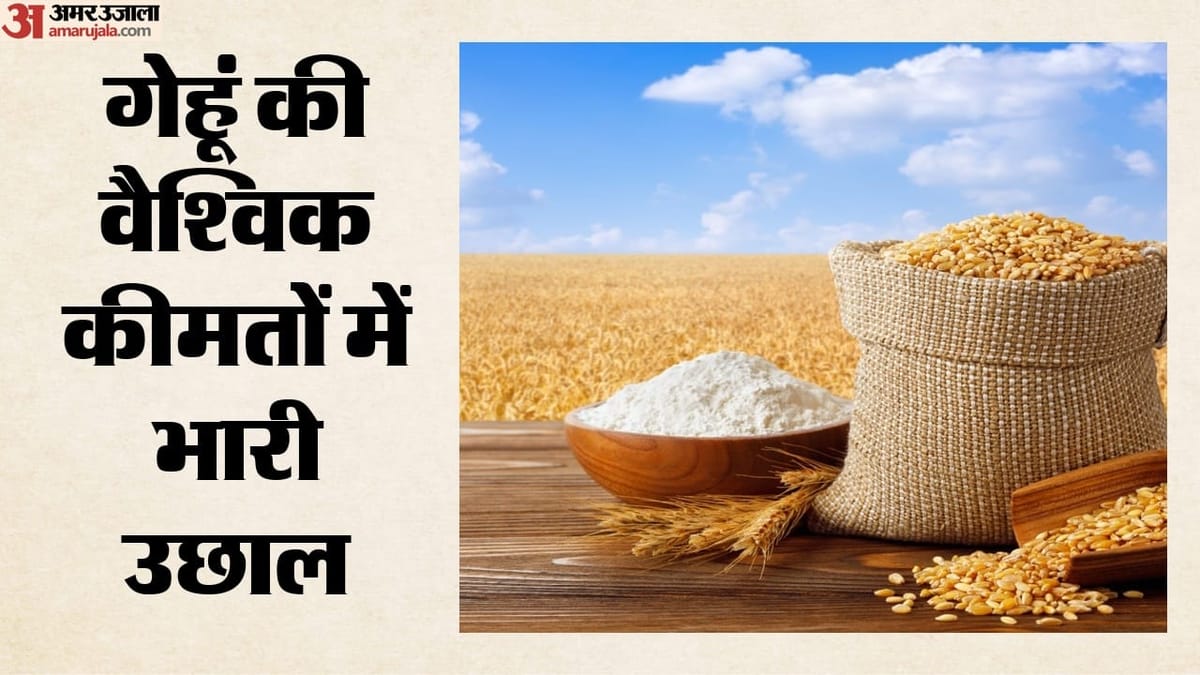
Wheat becomes more expensive
Wheat prices in India have increased 8% over the course of one month, according to Amar Ujala. The rise is adding to food-cost pressure ahead of the festive season, when household demand and spending on staple ingredients typically receive greater attention.
The reported increase directly affects consumers buying wheat and wheat-based foods, but its commercial impact extends across the supply chain. Flour millers, food processors, wholesalers and retailers must decide how much of the higher raw-material cost they can absorb and how much they need to pass on. Producers and traders, meanwhile, face a market in which replacement costs are rising and near-term pricing decisions carry greater risk.
Edible oil concerns widen the pressure
Amar Ujala also raised the prospect of higher edible oil prices. The available report does not specify the expected scale of any increase or identify a timetable, so the concern should not be treated as a confirmed price movement. It nevertheless matters because wheat flour and cooking oil are both central components of household food expenditure in India.
If edible oil prices rise alongside wheat, families would face simultaneous pressure across several everyday purchases rather than an isolated increase in one commodity. That would be particularly relevant during the festive period, when consumption of flour, oils and prepared foods can become more visible in household budgets. Food manufacturers and retailers would also have to manage the combined effect on product costs and selling prices.
Processors and traders watch margins
For wheat processors, an 8% monthly increase can narrow margins where sales contracts or retail prices adjust more slowly than procurement costs. Businesses holding inventory may be better protected in the short term, while buyers returning to the market face higher replacement values. The report provides no figures for regional prices, inventories, harvest volumes or government measures, leaving the underlying balance between supply and demand unclear.
The same uncertainty applies to edible oil. No specific oil category, supplier country, trade flow or price level was identified in the source material. Importers and refiners therefore have no quantified forecast from the report, but the warning puts additional focus on procurement costs and the ability of consumers to accept higher retail prices.
Household budgets remain the key test
The immediate confirmed development is the 8% rise in wheat prices within one month. Whether it becomes a broader episode of food inflation will depend on the direction of other staples, including edible oil, and on how quickly businesses transmit costs through the chain.
For market participants, the festive season will test both demand and pricing power. Millers and processors must protect margins without losing volume, retailers must judge consumer sensitivity, and households may need to redistribute spending if more than one essential food category becomes costlier at the same time.