India’s vegetarian thali cost rises 4% as tomato, onion and potato prices climb
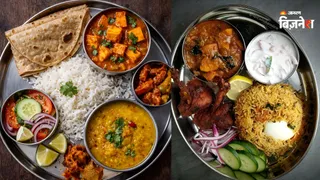
The average cost of a home-cooked vegetarian thali in India rose 4% month on month to ₹28.1 in July, according to CRISIL data reported by Jagran. A non-vegetarian thali became 2% cheaper at ₹53.5 as broiler chicken prices declined amid weaker seasonal demand.
Vegetable inflation lifts the monthly cost
The average cost of preparing a vegetarian thali at home in India increased 4% month on month in July, driven by higher prices for tomatoes, onions and potatoes. Jagran, citing CRISIL’s latest “Roti Rice Rate” report, said the meal cost ₹28.1, up from ₹27.1 in June. The increase shows how quickly seasonal disruption in a small group of staple vegetables can feed through to household food budgets.
The CRISIL index estimates the average cost of a home-cooked thali using prevailing raw-material prices across northern, southern, eastern and western India. It therefore provides a broad measure of ingredient-cost pressure rather than restaurant menu prices. For food processors, retailers and catering businesses, the monthly movement also offers an indication of near-term pressure on vegetable procurement costs.
Tomato prices jump as market arrivals fall
Tomatoes were the main source of the increase. Jagran reported that market arrivals declined by 27%, while tomato prices rose 31% in July. Such fluctuations are common during the monsoon, when rain and transport disruption can constrain supplies of perishable produce. Potato prices increased 2% and onion prices rose 5%, adding to the cost of the vegetarian meal.
The monthly rise does not mean food costs have returned to the high levels recorded a year earlier. The vegetarian thali remained 14% cheaper than in the previous July. That comparison suggests the current pressure is concentrated in short-term vegetable supply conditions and comes from a lower annual base, although the effect remains immediate for households and commercial buyers purchasing fresh produce.
Cheaper chicken pulls non-vegetarian meal lower
The average non-vegetarian thali moved in the opposite direction, falling 2% from ₹54.8 in June to ₹53.5 in July. Broiler chicken represents approximately half of the meal’s total cost, giving changes in poultry prices a large influence over the index. Broiler prices declined 9% month on month and 12% year on year, according to the figures reported by Jagran.
The decline was attributed to weaker demand during the monsoon and the Hindu month of Sawan, when many consumers stop eating meat. On an annual basis, the non-vegetarian thali was approximately 13% cheaper. The split between the two meal categories highlights contrasting conditions for suppliers: vegetable traders faced tighter tomato availability and firmer prices, while poultry producers and sellers encountered a seasonal demand slowdown. For buyers, the data also show that headline food inflation can conceal sharply different movements among fresh vegetables and animal protein.