India's soybean meal exports plunge 69% in June to 30,000 tonnes
India's soybean meal exports fell about 69% in June to roughly 30,000 tonnes, according to the Soybean Processors Association of India (SOPA). The industry body blamed high domestic prices and weak demand in key overseas markets.
Exports collapse to 30,000 tonnes
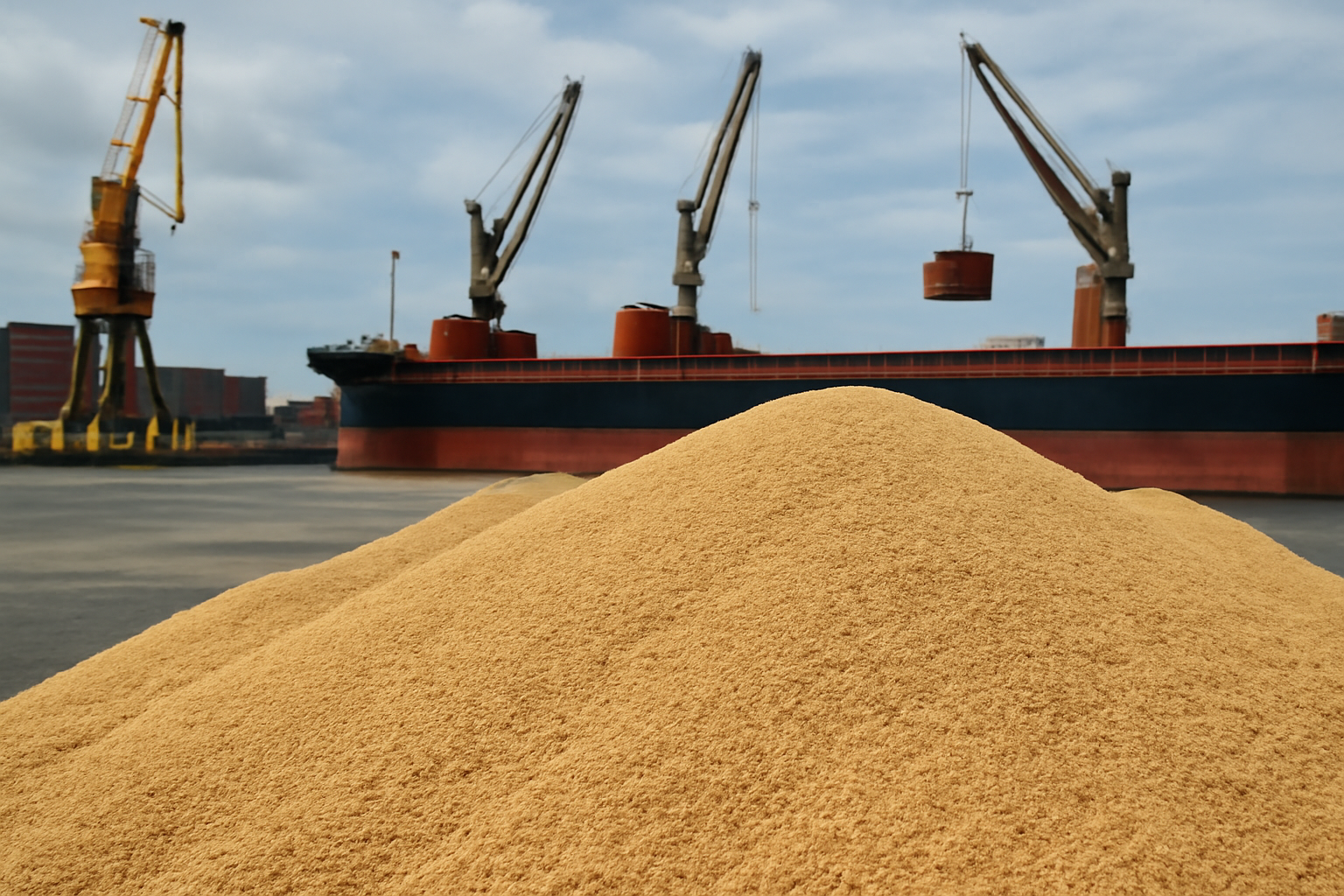
India's exports of soybean meal fell by about 69% in June to roughly 30,000 tonnes, according to the Soybean Processors Association of India (SOPA). The figures were reported by money.rediff.com and the news agency PTI from Indore, in the state of Madhya Pradesh, where the industry body is based. SOPA linked the sharp decline to elevated domestic prices and subdued demand in the country's main overseas markets.
High domestic prices erode competitiveness
Soybean meal is the solid residue left after crushing soybeans for oil, and it is one of the world's most widely traded protein ingredients for animal feed. According to SOPA, Indian meal has become expensive relative to what international buyers are willing to pay, pricing it out of contracts that would normally flow to the country's processors during the month.
When domestic quotations sit above competing origins, importers of feed protein have little reason to source from India. Poultry and livestock producers abroad work on thin margins and buy on price, switching quickly to cheaper suppliers when Indian offers move out of line.
Weak overseas demand compounds the fall
SOPA also pointed to soft demand in key importing markets as a driver of the June contraction. With buyers holding back and Indian prices uncompetitive, the two factors reinforced each other and left export volumes at a fraction of their usual level. The association's assessment, carried by PTI and Rediff, frames the drop as a demand-and-price problem rather than a supply constraint.
Implications for the feed trade
For importers, a smaller flow of Indian soybean meal means leaning more heavily on other origins to cover feed-protein needs. For Indian processors, weaker exports concentrate more meal on the domestic market, which can weigh on local prices even as high crush costs limit how far quotations can fall. The gap between what Indian sellers need and what foreign buyers will pay is the central tension in the June numbers.
India's role in the global soybean meal market rests on the economics of crushing: plants buy soybeans, extract the oil, and sell the meal at home and abroad. When the price of Indian meal outruns export parity, shipments taper off, and the June data suggests those conditions prevailed during the month.
SOPA's monthly figures are watched closely by the oilseed and feed trade because India is a recurring, if variable, supplier of soybean meal to buyers in Asia, the Middle East and beyond. A 69% swing in a single month underscores how sensitive those flows are to relative pricing. Until Indian meal narrows the gap with competing supplies, or overseas demand recovers, export volumes are likely to remain under pressure.
The June reading, reported from Indore on 13 July, offers a snapshot of an export business that can shift rapidly with the economics of crushing and the mood of international buyers.